
Abundant acorns, conkers and berries likely this autumn, National Trust says

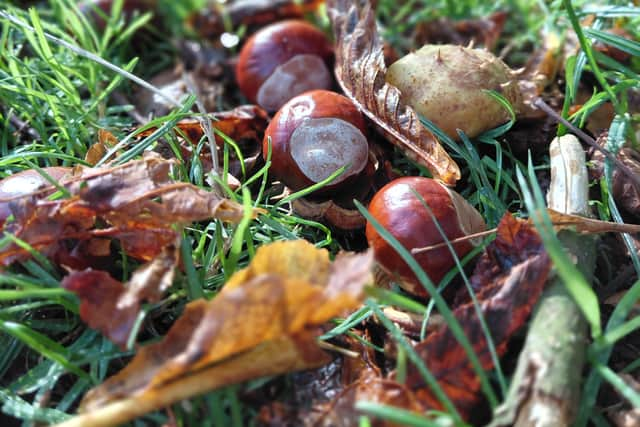
Autumn is set to bring an abundance of acorns, conkers and hedgerow fruit this year after initial concerns over impacts from the hot summer and drought have been allayed, the National Trust said.
Experts from the conservation charity say the UK is seeing a “mast year” – a phenomenon occurring around once every four years, in which certain tree species produce unusually high numbers of nuts and berries.
The conditions have put the brakes on the start of a “false autumn” in some areas, which is when stress caused to plants by prolonged hot, dry conditions can prompt the premature shredding of leaves and early ripening of fruits.
The National Trust also said most of the sites in its care escaped the impacts of Storm Amy this past week relatively unscathed.
It comes as autumn conditions in the UK become increasingly tricky to predict as climate change causes more volatility.
Many National Trust gardeners and countryside managers reported that autumn has arrived swiftly, as though someone has “flicked a switch”, the charity said.
They say berries, acorns and fungi are already abundant in gardens and the countryside – coming as a welcome boost for wildlife.
“In recent years with the climate becoming more unpredictable, it’s become even trickier to predict autumn colour.
“However, this year with the combination of reasonably widespread rainfall in September and a particularly settled spring we should hopefully see a prolonged period of trees moving into senescence – ie the gradual breakdown of chlorophyll in leaves which leads to the revealing of other pigments that give leaves their autumn colour, as well as a bounty of nuts and berries.”
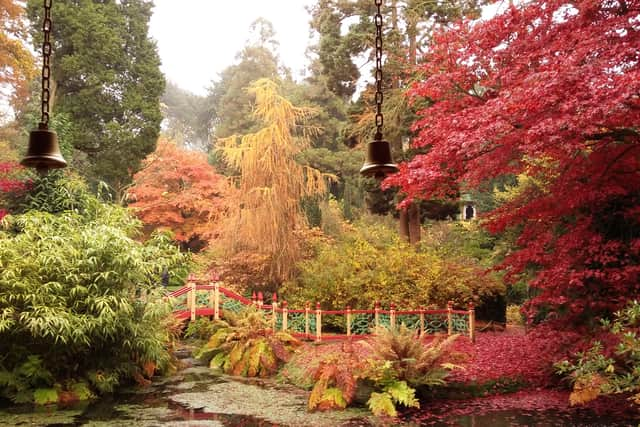
Some National Trust sites at risk of a “false autumn” included Sheffield Park in East Sussex and Petworth House in West Sussex, but showers have now put the season back on track, the charity said.
Steve Feazey, Sheffield Park’s head gardener, said: “Our trees have had a good drink and we are now hopeful that our autumn display will be as fiery and spectacular as ever.
“When our bitternut hickory at the entrance turns completely yellow, we’re officially in autumn – I think this will happen the week starting October 6. Cold nights and potential frosts over the upcoming weeks will then accelerate the autumn colour.”
“Some have unfortunately died and others have already dropped their leaves for winter, but our American oaks, scarlet oaks and pin oaks are beginning to turn red and the copper colours of our swamp cypress on the lake should not be missed on an autumn afternoon.
“The way the colours are presenting now I’d estimate the best time for autumn colour will be mid-late October.”
Emily Chandler, head gardener at Dunham Massey in Cheshire, said the volume of acorns is “the largest we have ever seen”.
Cal Stewart, head gardener at the Gibside estate in Tyne and Wear, said the “very heavy” crop of acorns on the landscape garden’s many oak trees will be a boon for wildlife including jays, which are normally elusive birds, and that reds may dominate the garden’s colour pallet this year.

Chris Flynn, head gardener at Dyffryn Gardens near Cardiff, said the summer’s build-up of leaf sugars is set to allow reds, oranges and yellows to “really start to shine through”.
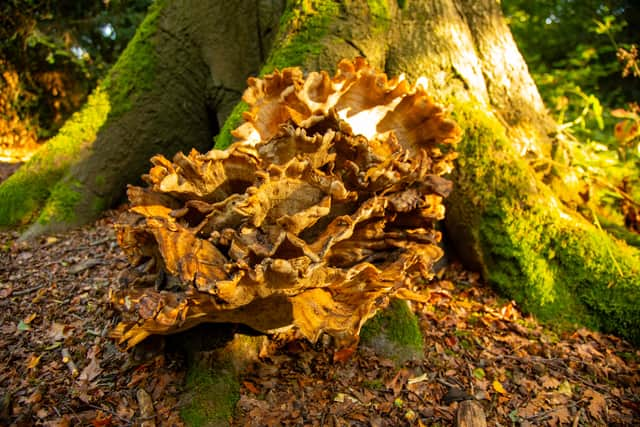
And at Dyrham Park near Bath, the meadow is already inundated with waxcap fungi and other species, according to its garden and countryside manager Piers Horry.