
Accused ex-Premier League star ‘said Rio Ferdinand invested in trading scheme’


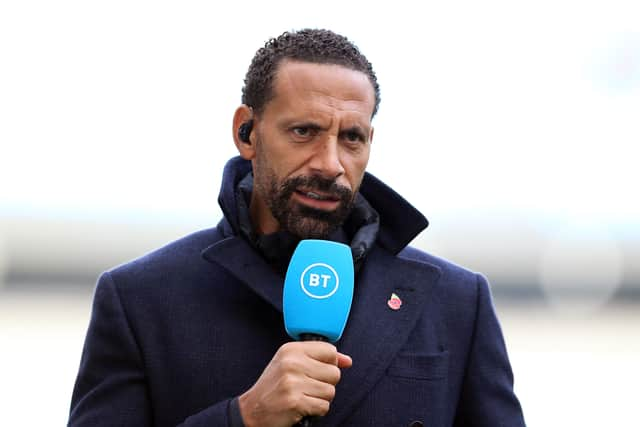
A former Premier League star claimed footballing friends including Rio Ferdinand had invested in his foreign exchange trading scheme in a £15 million scam, a court has been told.
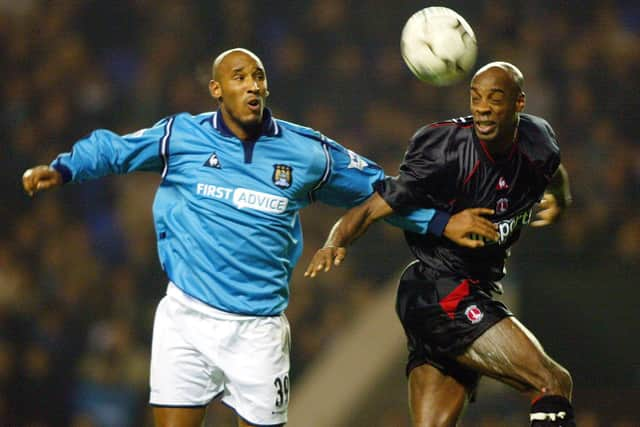
Ex-Charlton Athletic defender Richard Rufus, 47, allegedly lost money “hand over fist” after promising investors returns of 60% a year.
He claimed to be a successful foreign exchange trader headhunted by some of the UK’s largest financial organisations, including Morgan Stanley, Coutts Bank and Barclays, Southwark Crown Court heard.
He told investors current and ex-footballers, including former England and Manchester United defender Ferdinand, 44, were already on board, a jury was told on Tuesday.
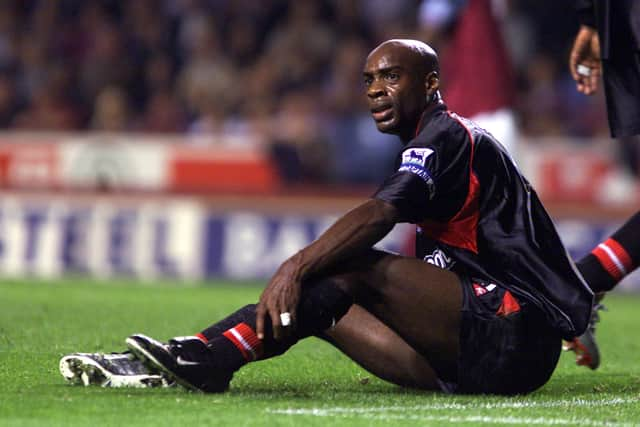
Prosecutor Lucy Organ said Rufus appeared to “able to maintain a lifestyle of a footballer” long after he was forced into retirement in 2004 because of a knee injury.
She told jurors he enjoyed the “trappings of wealth”, living in a big five-bedroom house on a private estate in Purley, south London, driving a Bentley and wearing a Rolex watch.
Ms Organ said: “He scammed friends, family and associates out of millions of pounds by pretending he was able to offer a low-risk investment in the foreign exchange market.
“He claimed that he had had significant success with his strategy in the past.
“In reality, the investments were fraught with risk.
“The investors, rather than getting the risk-free returns they were promised, lost a great deal of money.
“Mr Rufus took over £15 million pounds in total.”
Rufus, from Crystal Palace, south-east London, denies three counts of fraud, using around £2 million in criminal property and carrying out a regulated activity without authorisation, between May 2007 and April 2012.
Jurors were told he remained on good terms with Charlton following his retirement, being invited to become an ambassador for a charity linked to the club, and was a committed member and trustee of a church, the Kingsway International Christian Centre.
Described as “charismatic and energetic”, he claimed to have a track record of being a successful foreign exchange or foreign currency trader to persuade investors parting with their money was a safe and low-risk bet.
But Ms Organ said Rufus made “huge losses”, while around £2 million put into his personal accounts for the purposes of investment was never even transferred to his trading account.
One investor was ex-Charlton and Chelsea defender Paul Elliott, 58, who met Rufus while Mr Elliott was on the Charlton board.

Mr Elliott paid Rufus a total of £425,000 between October 2008 and February 2011, getting back £460,000.
Ms Organ said the returns were not paid from successful trading but out of conning more people into investing in the scheme.
The court heard Ronabir Deb was told by Rufus that some of his footballing friends, including television pundit Ferdinand, were investing with him.
Mr Deb allegedly lost his capital of £47,000, while the 23 people who invested through him lost more than £1.7 million pounds.
Rufus received a rental income of £850 a month but made “personal” payments totalling £1.5 million over the period, including a £9,000-per-month mortgage, £200,0000 on motoring costs and transfers to his wife’s bank account, the court heard.
“The only way Richard Rufus could fund his lifestyle was to use the funds he was receiving from the investors as part of the fraud,” Ms Organ said.
Rufus, whose bank accounts were frozen in February 2011 before he was declared bankrupt in October 2013, told police he had not defrauded anybody and his actions were in “good faith”, jurors were told.
Turning to the two other fraud counts, Mr Spence said: “Mr Rufus denies making any false representations to these people who were investing through him.
“He does accept that some investors lost money and that will be dealt with during the course of the case.
“He denies any of the funds provided to him for trading were not in fact used for that purpose.”
If the jury finds Rufus was not fraudulent, then the money was not the benefit of criminal conduct, the barrister said.
He said his client accepts he had not been regulated but if he had taken all reasonable steps of “due diligence” he would be not guilty of the regulatory change.
The four-week trial continues.