
Actor who ‘nearly died’ after lime-sized tumour grew undetected and ‘deformed’ skull feels lucky to finish latest film
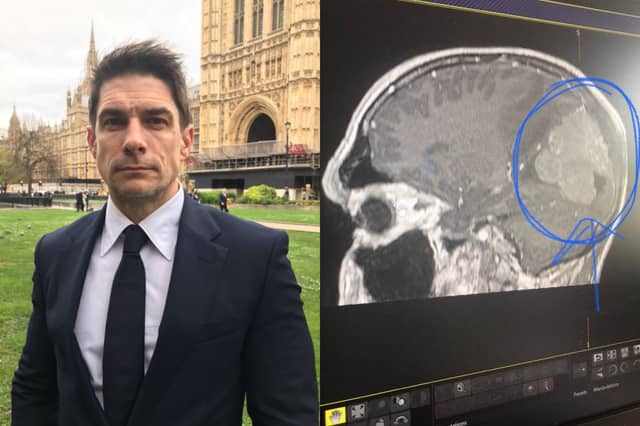

An actor who “nearly died” after a lime-sized brain tumour grew undetected for more than a decade and “deformed” his skull feels lucky to have survived to finish his latest film.
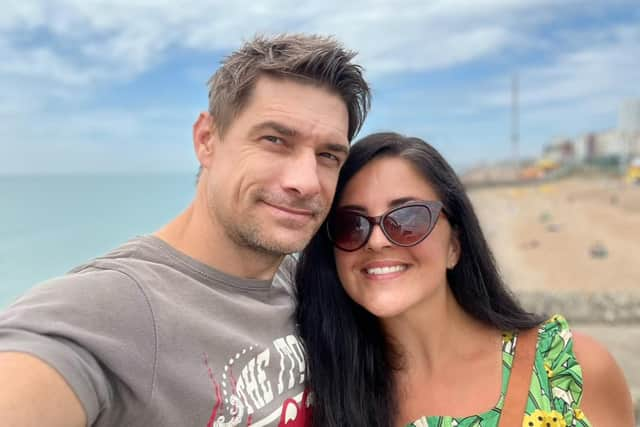
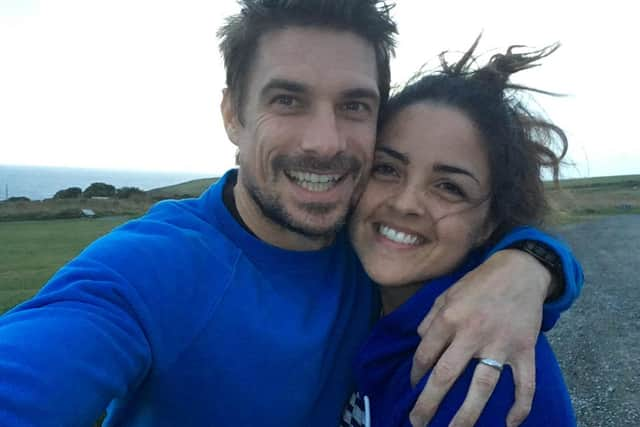
Craig Russell, 48, who is based in Falmouth, Cornwall with his 40-year-old wife, Kate, and their two sons, Teddy, 10, and Henry, seven, first noticed he was experiencing memory loss, migraines and brain fog in September 2022 before his partner encouraged him to seek a GP appointment.
It was discovered the Welsh actor, writer and producer, known for his roles in TV shows such as Hollyoaks and Netflix’s Queen Cleopatra, was going blind in his left eye and after being referred for CT and MRI scans, a large, benign tumour the size of a squashed lime was found growing in his brain, “deforming” his skull.
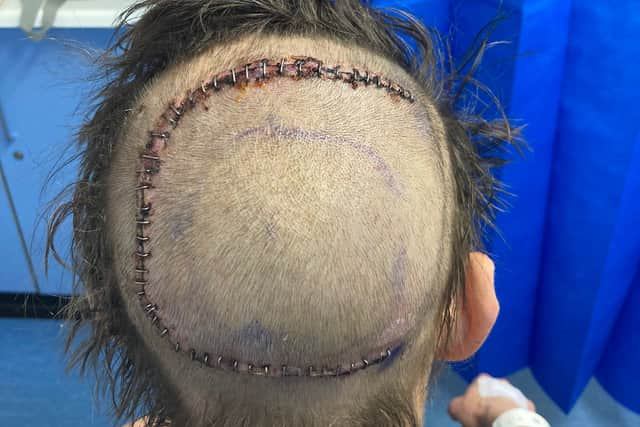
Thought to have been developing for 15 years, Craig said he underwent a risky operation to remove the mass in March 2023, which could have killed him or left him blind, where part of his damaged skull was removed and rebuilt from a plastic-concrete mix, held in place by bolts and “55 staples” in his scalp.
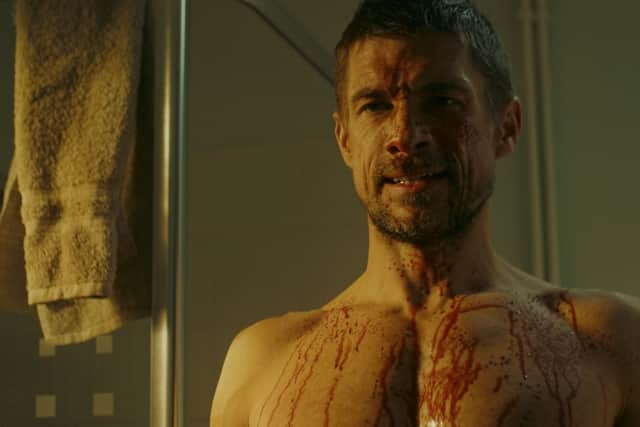
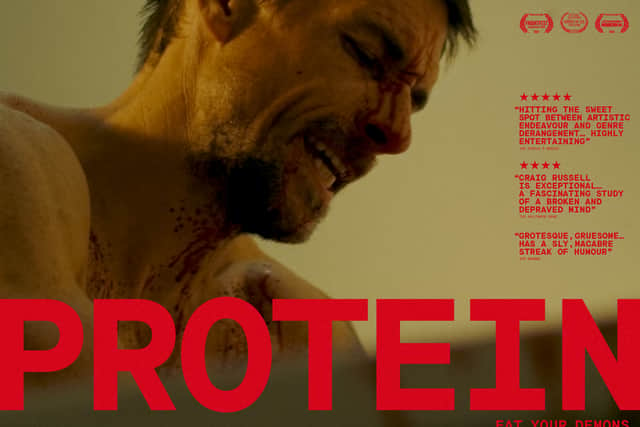
His most recent blockbuster, Protein, which came out on June 13 this year and which he stars in as a serial killer who murders and eats a local drug dealer for their protein, has been 10 years in the making – and there was once a chance the actor would not live to see its release.
“Someone asked me if I thought I’d ever see the film finished, which was a sobering idea as I nearly died before it came out,” Craig told PA Real Life.
“I’m so glad I was there to see it, I don’t know if you can watch movies from the afterlife, so I just have a lot of pride for everyone involved.
Craig first realised his passion for acting in the early 90s, studying performing arts in Swansea before he moved to London in 1996 and acquired an agent.
He has acted in TV shows such as Hollyoaks, where he played Detective Inspector Mark Gascoyne for 21 episodes, Netflix’s docudrama Queen Cleopatra, Amazon Prime’s Riches, The Last Kingdom and EastEnders – to name a few.
In September 2022, Craig noticed he was experiencing out-of-character symptoms – such as memory loss, confusion, migraines and brain fog.
He also heard a “whooshing” sound emerge from the back of his head when producing a guttural scream during filming for the movie Edge of Summer, which “nearly caused (him) to collapse”.
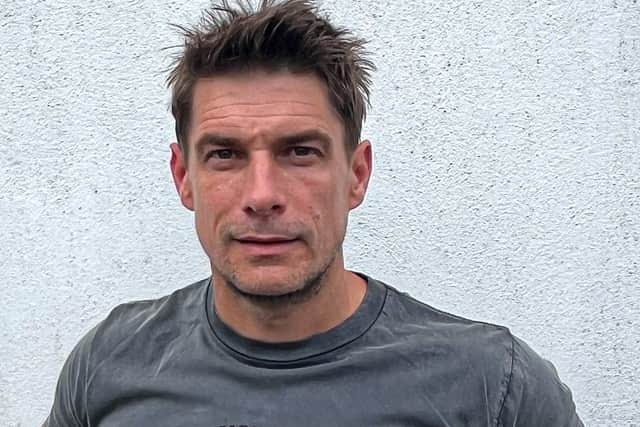
There, Craig said his doctor found he was going blind in his left eye, leading to a CT scan, which he received around two weeks later.
The following day, Craig had a call from his GP to say they had “found something” on his scan, and he was referred for further MRI scans towards the end of February.
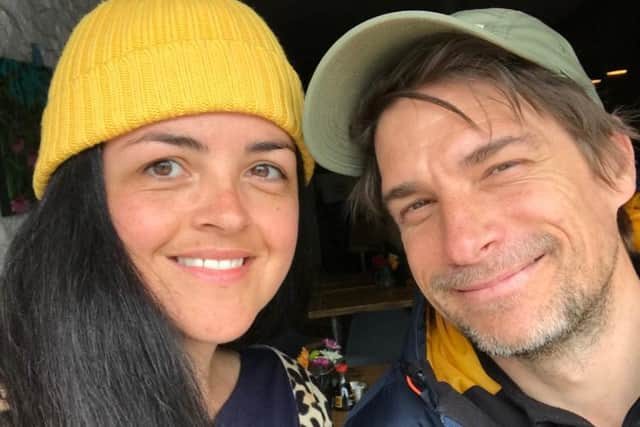
“It stopped me in my tracks, I never thought it would happen to me,” he said.
Craig said doctors suspected the tumour was a meningioma – a benign tumour that forms in the layers of tissue covering the brain and spinal cord – and this was later confirmed following an operation to remove the mass.
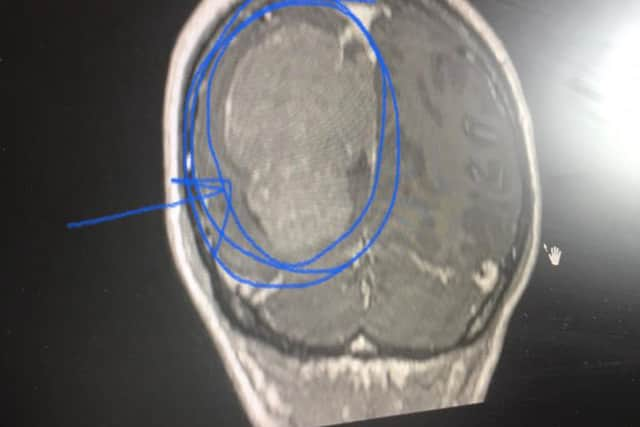
Craig said the best course of action was to surgically remove the mass, but he was told there could be risks.
“My surgeon explained my tumour had been growing there for about 15 years, and it appeared to have enveloped all the important stuff I needed to survive,” he said.
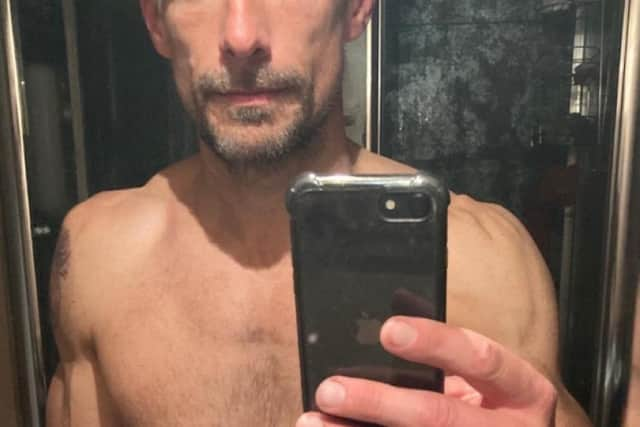
Craig’s seven-hour operation on March 6 2023, at the Derriford Hospital in Plymouth involved cutting away a piece of his skull, which had become damaged by the tumour.
From there, he said the tumour was removed and part of his skull was rebuilt from a plastic-concrete mix, held in place by bolts, before everything was sealed with “55 staples” into his scalp.
After suffering subsequent complications with swelling and excess fluid building up on his brain, Craig said he has since made a full recovery, finding weight-lifting helped the fluid to drain naturally.
“My head still hurts occasionally but I’m now back to full health,” Craig said.
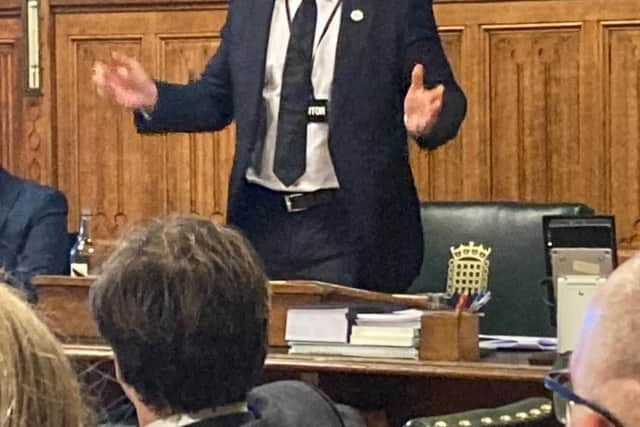
Thankfully, new treatments for meningiomas – the type of tumour Craig suffered with – could be on the horizon, for researchers at the University of Plymouth have identified a protein that plays a significant role in their growth, according to Brain Tumour Research.
By blocking the protein, researchers were able to slow or halt tumour cell growth in laboratory settings, unlocking the potential for new treatments, which Craig said is “a big step forward”.
“The fact all that work we did is now being recognised favourably, especially by Mark Kermode, makes me so proud, so happy and so relieved,” he said.
“If I had truly listened to my body, this would have all been done and dusted years ago – so if you think you’ve got something wrong, please just go and see your doctor.”
Protein is in select cinemas now and will be released on digital platforms from July 14.
For more information, visit the website for Brain Tumour Research here: braintumourresearch.org