
‘After a lifetime of silly injuries from bloody ankles at school to lollipop wound, TikTok led to rare diagnosis in 40s’
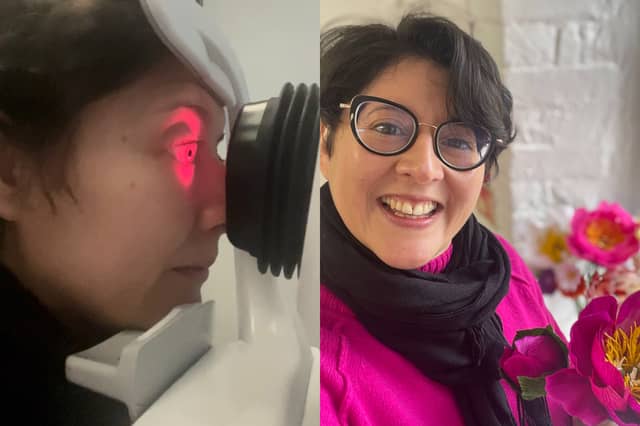

A writer who experienced “a lifetime of injuries”, from bloody ankles at school from walking to gouging the flesh from her fingers with a lollipop stick, has said TikTok led to a rare diagnosis in her 40s.
For decades, Lorraine Ansell, now 45, a writer, speaker and advocate who lives in Wiltshire, suffered “silly injuries”, bruised easily and experienced chronic pain, but she “just couldn’t figure things out”.
She had “bloody ankles” from walking at school, a lollipop stick once gouged the skin on her hand, the key in an office drawer ripped through the skin on her leg and crusty bread cut the inside of her mouth.
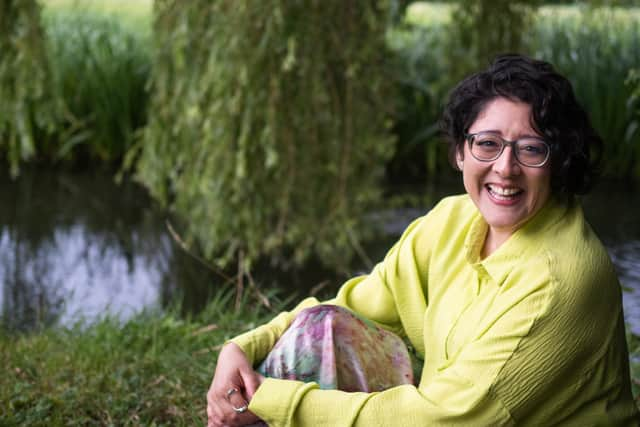
It was not until she saw others on TikTok with “similar stories” that she wrote to her GP and pushed for a referral, and this led to a diagnosis of her hypermobile Ehlers-Danlos syndrome (hEDS) – a connective tissue disorder – in 2022 at the age of 41.
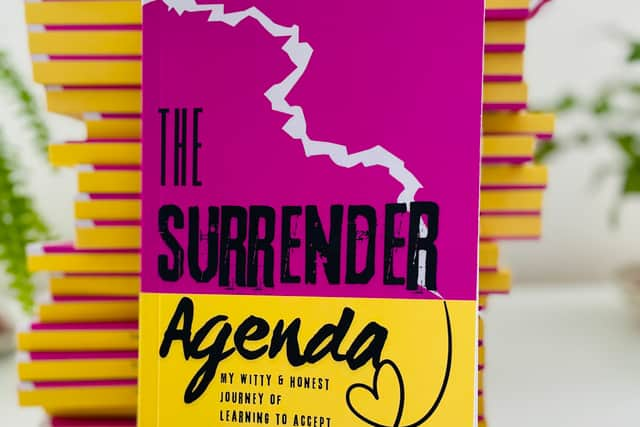
She has since written a memoir, The Surrender Agenda, to help others understand what it means to live with chronic pain – but how to “thrive” too.
“I hadn’t realised that everything I had experienced was pain,” Lorraine told PA Real Life ahead of Ehlers-Danlos syndromes (EDS) Awareness Month in May.
“The world of pain medicine is massive, it’s huge now, because people are realising it’s not just screaming in agony in a corner, in a ball.
“When I was writing this book, it was about dealing with the past, present and future me, because I’d had 40 years worth of this, that, everything.
Lorraine has experienced health issues for as long as she can remember – even from as young as six months old, when she was pictured with a “rash around (her) face” at her christening.
She said this “theme” continued, as she bruised easily and sustained other injuries over the following years.
“I remember going to school with my little white socks and they would be covered in blood – my ankles would be bloody – just because I knocked my ankles together walking,” she said.
“I would trip up, I was called clumsy, but I just couldn’t figure things out.”
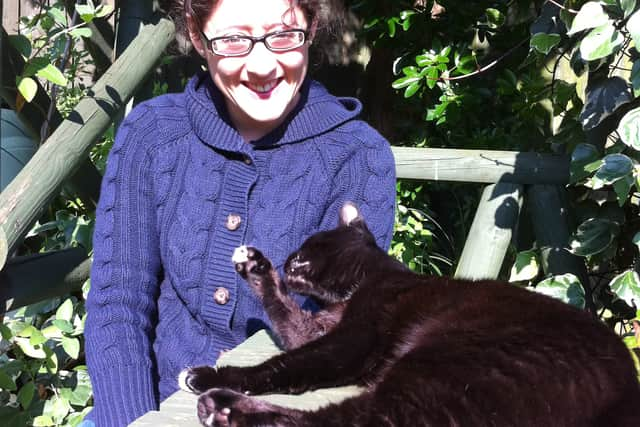
She continued: “My tummy would hurt, I would feel tired and, as a toddler, one of my first memories is my feet hurting.
“I thought, ‘Well, everyone’s feet hurt’, but mine hurt as if I’d done a marathon.
“Then I started not being able to see the blackboard and I remember having to go and get glasses, and then I had teeth issues and got braces, and then I saw the doctors because my knees hurt in my teens.”
She declined the operation as she was due to take her GCSE exams and she said doctors told her: “Just go and live your life.”
Lorraine continued to have health issues – her stomach would hurt, she would get migraines, she would roll her ankles, she would feel fatigued and she would get breathless walking up stairs.
She said she was advised to simply “push through the pain” and therefore accepted: “This is my life”.
“I was gaslighting myself, saying ‘I’m fine, I’m clearly fine’,” she said.
However, Lorraine continued to sustain “silly injuries” and would even bump into objects and furniture in her house, despite knowing the layout back to front.
She continued: “I remember going on holiday and putting my hand into a jar of lollies and I had gouged the flesh from my fingers.
“Then, later on at work, the drawer next to me hadn’t closed properly and the key was there, and when I turned on my swivel chair, the key ripped through my leggings and it ripped my flesh open.
“It bled everywhere… I’ve still got the scar.”
This is how she first heard of hEDS and the “cogs in (her) head started to turn”.
“Suddenly, I had confronted a whole algorithm of people with similar issues and they were calling it Ehlers-Danlos syndrome,” she said.
“It wasn’t until about a year or so later that I plucked up the courage to write to my GP.”
Lorraine subsequently had an appointment where a physio looked at her knees and said: “Your knees are swimming around like islands in your leg, they’re just floating.”
According to the Ehlers Danlos Society, hEDS is a heritable connective tissue disorder which causes generalised joint hypermobility, joint instability and chronic pain, and it is currently classified as rare.
“I felt really vindicated… but then I started to think, ‘Well, what now? What does it mean for me? What does the future look like? What does it mean for my activities?’,” she said.
“I started to get upset and I started getting afraid… and I started journaling as a way to process everything.”
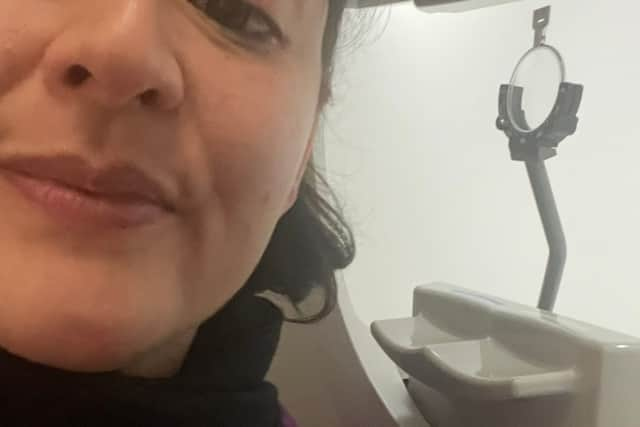
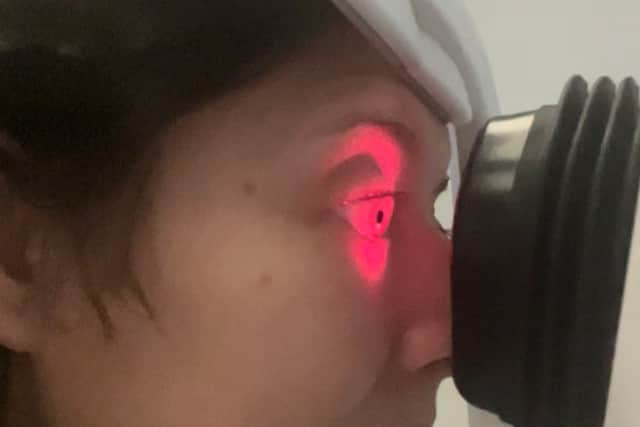
With her diagnosis, the retinal specialist chose laser treatment instead of invasive surgery because her tissues were known to be thin, and the outcome was successful.
Since there is currently no cure for hEDS, Lorraine said she did not know what her healing journey looked like, but writing down her thoughts was cathartic.
“I hadn’t realised I’d been carrying that burden for 40 years… and then I began this relationship with pain. What is pain? How should I treat pain?” she said.
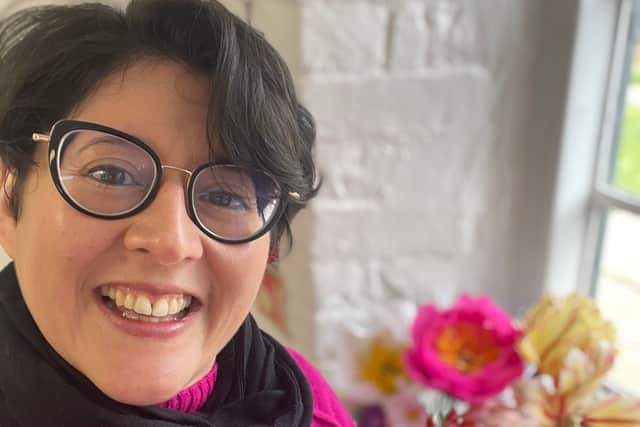
Lorraine mourned decades of misdiagnosis and she now recognises how often she overrode or ignored her body’s signals.
Through journaling, she realised she could help others with her experiences, and she decided to write a memoir, The Surrender Agenda.
Although she never journaled with the intention to write a book, she found it very “purposeful and satisfying”.
She said: “It’s a memoir about finding out you have an incurable connective tissue disorder and chronic pain and, in a humorous way, going through life experiences and processing it.
“It’s about redefining what strength means and what it means to live with chronic pain – and in my case, I’ve chosen to learn to love it.
Lorraine is passionate about raising more awareness of hEDS and has therefore launched a support group, connected specifically to the university she went to, in order to help others.
She has co-created CEMS ACCESS, a peer support space for students and alumni living with chronic illness and long-term conditions.
She continued: “I don’t want to just live, I want to thrive.
“For me, whether somebody has a chronic illness themselves, or is a carer or a loved one of somebody with a chronic illness, or even a medical professional, it’s about coming away with a deeper understanding of what invisible illnesses are.
“It is hard to manage, but it is doable. It just takes time, it takes energy, it’s a full-time job.
“I hope it just builds more empathy and awareness around people with chronic pain and people with chronic conditions.”