
ALERT: People hit with warning from HSE amid Christmas surge in flu cases
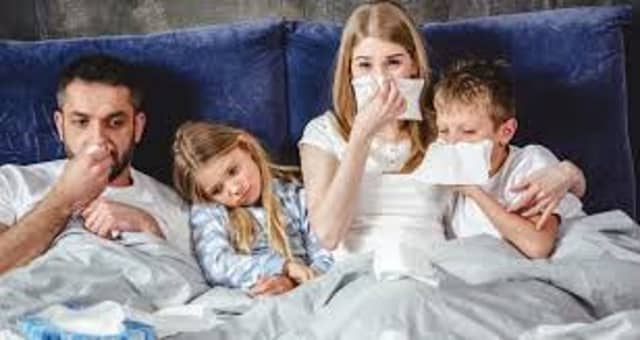

CEO of HSE: "Both older people and the young are most likely to experience the most severe impact of these respiratory illnesses followed by those with underlying conditions"
The HSE is preparing to see flu cases at the highest peak on the week of Christmas and New Year, with expected hospitalisation of between 600 and 900 cases.
The CEO of HSE, Bernard Gloster has said “In the last week, we have had over 600 people hospitalised due to COVID, flu and RSV. When this is added to the usual demand placed on the health service, it brings significant pressure on the public and healthcare staff."
To help ease the high demand of healthcare services, "additional Daytime GP expanded clinics will be available from Dec 27th and you should check if your GP is participating in this arrangement. Additional supports for GP OOH services are also being provided," the HSE has stated.
The good news, according to the HSE, is that the number of cases of RSV among infants (less than 3 months) has sharply decreased since the HSE began a vaccination programme for newborns. Only 24 babies were hospitalised with RSV since the vaccination programme started, a significant fall from the 413 cases in the same period last year- this is a reminder of the importance of progressive vaccination programmes.’’
Commenting further the CEO said; “We expect the week of Christmas and the New Year to see flu cases to be at their highest so far this season, and modelling shows hospitalisations from flu alone to be in the region of 600-900. When all other factors are taken into consideration, people can expect to see all access points to healthcare under pressure over the next few weeks.”
"We anticipate the Christmas season to be busier than ever, and this higher demand from patients will create delays getting through to the service at peak times or in waiting for a call back from a triage nurse, and again longer waiting times for an appointment. Where preparations can be made in advance, we advise patients and families to do so," Mr Gloster added.
Here is a list of care and treatment options this Christmas from the HSE:
- Visit your local pharmacy for treating the common cold
- Contact your family doctor as necessary
- The GP out-of-hours service is a high quality clinical service for urgent care. Know the Christmas opening arrangements
- Emergency Departments treat seriously ill patients. Those with less severe injuries and symptoms may have to wait to be seen in Emergency Departments. However, injury units treat injuries that are unlikely to need hospital admission. For example, broken bones, dislocated limbs, sprains and minor burns. Find out what injury units can and cannot treat.
- Patients who may need regular prescriptions are urged to get them filled by their own surgery in advance of Christmas
- People are advised to check their first aid boxes are well stocked to treat minor ailments at home e.g. paracetamol, ibuprofen, calpol, neurofen, dioralyte and a thermometer
- People should also check the HSE website for useful advice on common illnesses such as colds, coughs, flu, earache and sore throats
- In terms of advanced care planning, if you are caring for someone that is terminally ill, please have medicines that are recommended by your Palliative Care team or GP for situations that could arise
- A lot of respiratory illnesses are likely to occur in children over Christmas, most of these illnesses can be managed at home with over-the-counter medications. Good advice on self-care is available from How to keep well in winter