
Allotment beginners – what to do if your new plot looks like a shambles


You may be jumping for joy when, after being on a waiting list for an eternity, you’ve finally been allocated an allotment.
As the new year begins, growing your own vegetables for the first time is an exciting prospect – unless the allotment you’ve been allocated is a mass of overgrown weeds.
Garden expert, writer and YouTuber Charles Dowding (charlesdowding.co.uk), author of How To Create A New Vegetable Garden, offers this guide for first-time vegetable growers.
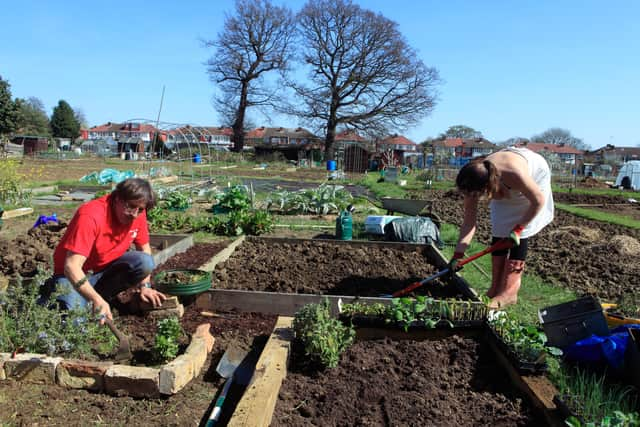
Beginner gardeners need to consider the state – and size – of any allotment they are taking over and the time they will have to tend it, he advises.
“A full-size allotment is too much for a single new gardener,” he reckons. “In the old days it would have been a family experience. Find friends to help and take on part of it. In a weedy situation, lay down black polythene over the organic matter/compost in the first early spring to help suppress weeds.

Manage your expectations
“I don’t want to frighten people off, but you may be taking over soil that’s been worn out by repeat cultivation and not enough goodness put back in,” he warns. It may take a little time to get the soil back up to scratch.
Cut the weeds back
“The first job is to cut the weeds down to ground level, using shears, a scythe or whatever you have to cut vegetation, so you can see what the surface is like,” Dowding says.
Level the ground
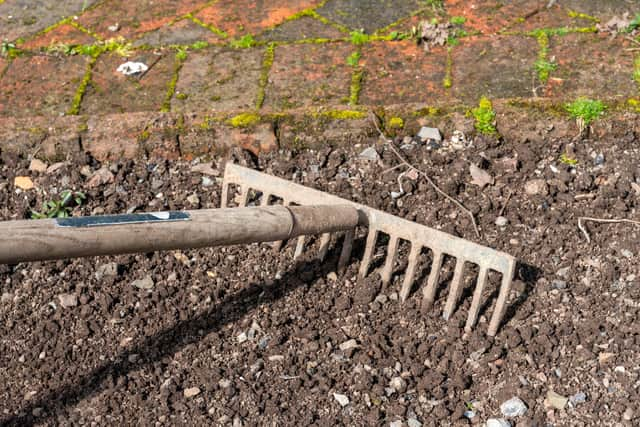
Compost the area
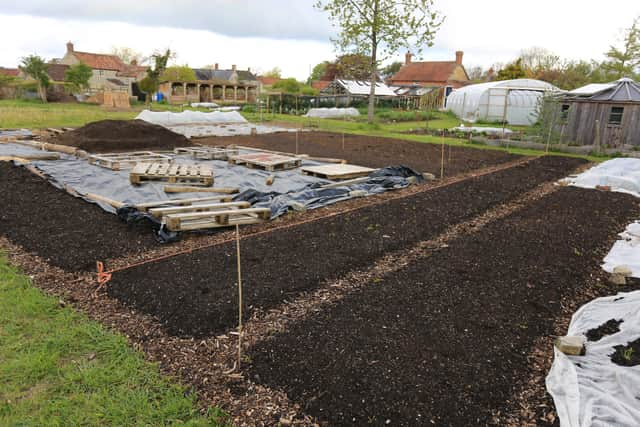
Once the allotment has been weeded you can put cardboard sheets down to keep the weeds at bay and add a layer of compost on top of that – 2in minimum. February or March is the best time to put the cardboard down, he says. You will be able to sow seeds in the compost above it.
Design your plot
You don’t have to do crop rotation
Dowding says: “I’ve done enough trialling of not rotating that I’m confident to say you don’t need to do that. You don’t need to do four-year rotation – it comes from 18th century farming. Grow what you want, where you want to grow it, in the quantity you want, and when that finishes have more plants ready to pop in.
“’No dig’ maintains soil in health and high fertility, so you get less of a problem that people usually quote as the reason for rotation.”
Grow easy crops
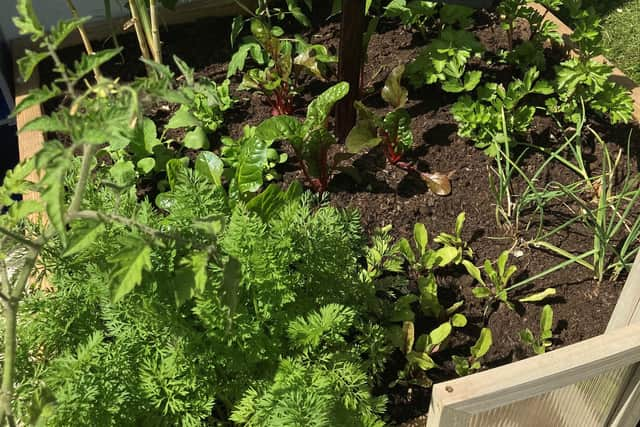
And if you only have room to grow veg on a small patch in your garden…
You can still grow a good portion of veg in something as small as a 1m x 1m raised bed, says Emma O’Neill, head gardener at horticultural charity Garden Organic (gardenorganic.org.uk).
Beginner vegetable growers like to see things growing quickly or they can easily become discouraged, she notes. So at first stick to crops which will come up quickly.
“Grow salads, which are easy. They germinate quickly, radishes are also super quick, as are herbs. Garlic and spring onions are also easy veg.” Make life easy by ‘chitting’ potatoes and buying onion sets rather than growing everything from seed, she suggests.
“Grow potatoes in a container as they will take up too much space in a small veg patch.”