
‘An AI physiotherapist helped diagnose a rare medical emergency and saved me from paralysis’


A 47-year-old Cambridgeshire woman has described the “unbearable pain” she experienced – to the point she wished somebody would cut her “leg off” – before she got a rare diagnosis that affects up to three in 100,000 people via an AI physiotherapist.
Amie Smith, a carer, said she first felt lower back pain on Sunday April 20, 2025 that she initially tried to manage with painkillers, but it progressed to “excruciatingly painful” levels that travelled down her body and into her legs within days.
The mother of three said she had an urgent GP appointment on Tuesday April 22 and was referred to an AI physiotherapist programme called Flok Health, which the NHS trust in her area was trialling.

The next day, Amie said she was rushed to hospital where she had an MRI and was diagnosed with the condition, prompting a five-hour emergency lumbar decompression surgery on May 1.
Amie told PA Real Life: “Initially, I thought (an AI physiotherapist) is not very personal. I felt like I was probably talking to a robot that couldn’t really help me.
“But, actually, if it wasn’t for that process, I wouldn’t have gotten the help that I did, and ultimately I would have had a lot more damage.
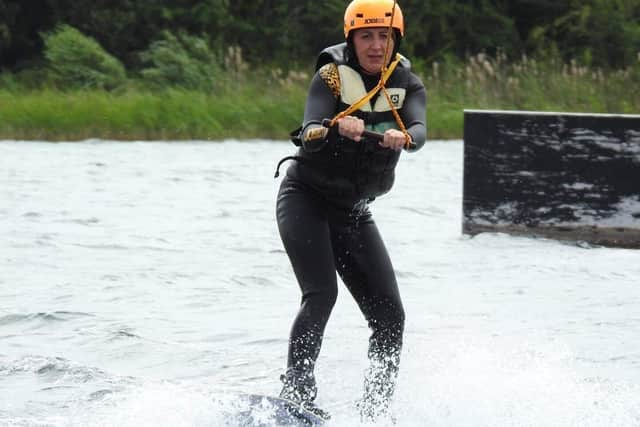
After a fibromyalgia diagnosis in 2018 – a chronic condition that causes pain all over the body – Amie said she has lived with pain ever since, but what she experienced in April 2025 felt “completely different”.
Amie said: “I’ve always suffered with back pain, but this was excruciatingly painful.
“I left it for a few days thinking that if I just take pain relief and I carry on, I should be fine. But it just gradually got worse.”
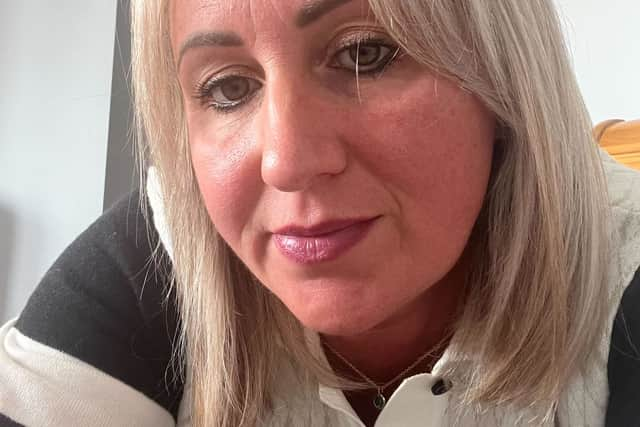
Amie said she was signposted to the Flok Health app, which was deployed in February 2025 by Cambridgeshire Community Services NHS Trust (CCS) as a way to help cut NHS back pain waiting lists.
She didn’t initially use Flok, because she didn’t think it was “very personal”, so when her pain worsened she opted instead to request an e-consult from her GP, which she didn’t hear back from. Amie said she submitted another one the next day and when she didn’t get a response from that one too, she decided to give Flok a go on Friday April 25.
According to Flok Health, patients receive an invitation to complete an automated video call assessment and during this consultation an AI-powered physiotherapist will evaluate their symptoms to determine the right treatment.
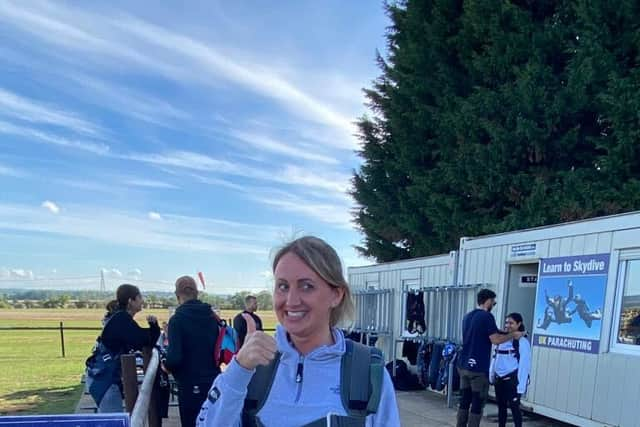
By Monday April 28, Amie said she was “beside” herself in pain and she hadn’t heard anything back from her e-consult requests, but then her phone rang around 5pm. She said she was “pleasantly surprised” to receive an hour-long telehealth appointment with Kirsty Henderson from Flok, calling to see how she had got on at the hospital.
Amie said: “I described everything to her and I just felt like she was able to do what nobody else had: Give me time to tell exactly how this is affecting me and what’s happening.
“Straight away, she said that I definitely needed an MRI.

“That was the first time out of all the people I spoke to that anybody actually told me that I was at risk,” she added.
After getting the confidence from Kirsty to advocate for herself, Amie said she called her GP the next morning, but didn’t get anywhere with that. So a friend of Amie’s took her back to A&E, where she said doctors could see she was “extremely upset” so they took her blood pressure and it was “really high”.
Amie said she was taken “straight through” to being admitted and saw a doctor who did some initial tests and immediately sent her for an MRI scan. Within hours, Amie said an orthopaedic doctor described it as a “really bad situation” where her discs had slipped and they were trapping the nerves – something she later discovered in her GP’s notes as cauda equina syndrome.
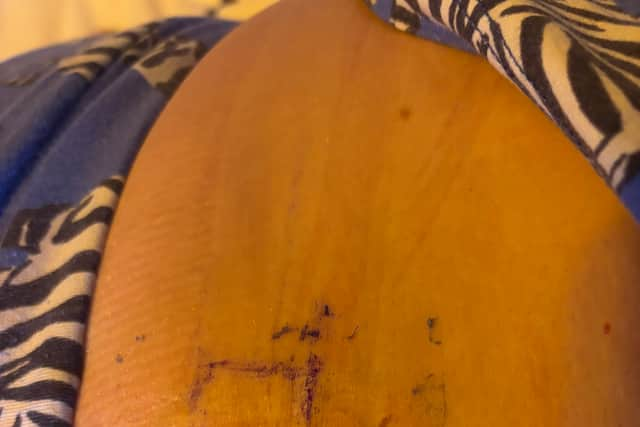
Since the surgery, Amie said her pain has subsided but she has had to make some “adaptations” because she still doesn’t have full use of her left leg, like driving her son’s automatic car instead of her manual one. She said she also struggles to walk for too long.
Mike Passfield, the deputy director from Cambridgeshire Community Services NHS trust, told PA Real Life: “The new AI-assisted approach is having a significant impact in our region, enabling thousands of patients to get faster access to expert physiotherapy support.
“Not only is the technology capable of treating and discharging patients at scale, but its red flag system means patients with more serious or extremely rare conditions are identified and directed to the right human-led service quickly to get the appropriate care.
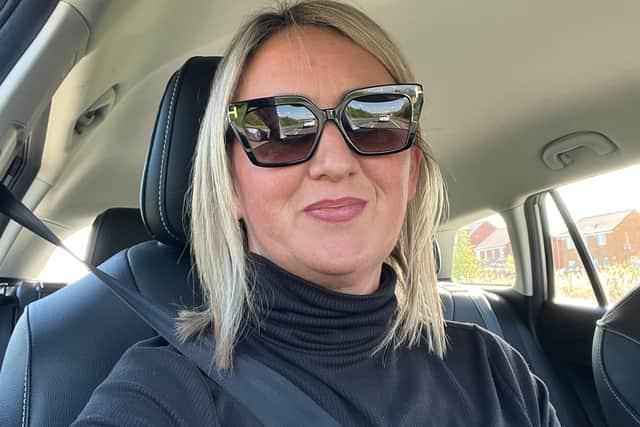
After everything settled down, Amie said: “I went back to Kirsty to really thank her because I honestly felt like she was the only person that actually listened.
“She realised the red flags, talked me through it, explained the risks and what she was concerned about, and even gave me advice on how to try to get the doctors to help me.
“Now I can see that every 24 hours that was going by, more damage was being done to my body.
“That damage is still here today to a point, but had I not spoken to Kirsty and then gone on to follow what I’ve been told to do, I probably would have been unable to walk.
“I feel like I owe a lot to Kirsty. She made a huge difference,” Amie said, still surprised by how it all “started” with an AI physio.