
Anachronistic anarchy in the UK as Commonwealth superstars prepare to make waves
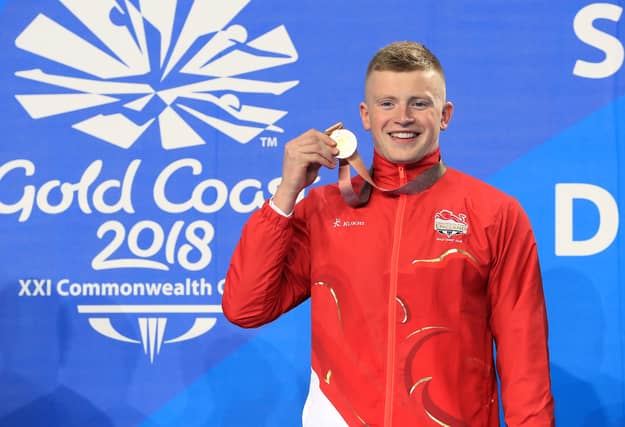

Four years on from the sun-kissed success of the Gold Coast, the Commonwealth Games prepares to pitch up in Birmingham this month amid a refreshed conviction of its place within the international sporting firmament.
No matter that in the period since the flame was snuffed out over the Carrara Stadium, a number of nations including Barbados and Jamaica have declared their intentions to remove the Queen as their respective head of state.
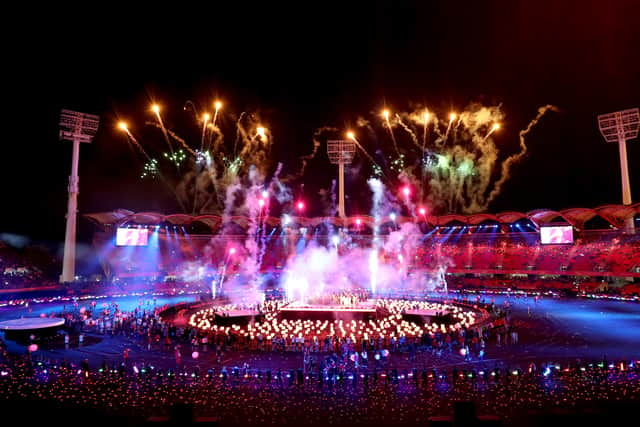
If those 12 glorious days on the Gold Coast taught us anything, it was to celebrate the superstars and also-rans in equal measure, and to champion the Commonwealth Games as an antidote to the corporate gigantism of so many other major sports events.
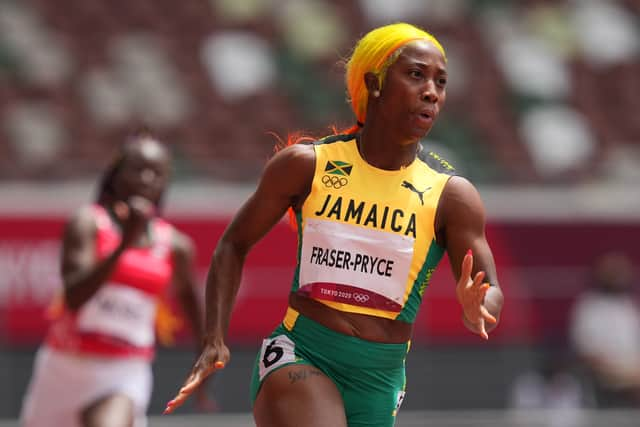
In that spirit, Birmingham will welcome the likes of Adam Peaty and Dina Asher-Smith alongside Olympic stars such as Jamaican sprint duo Shelly-Ann Fraser-Pryce and Elaine Thompson-Hera, who will jet straight over from the World Athletics Championships in Oregon to join the party.
Stories of tortuous journeys and improbable preparations shape the Commonwealth Games just as much as the lung-bursting, record-breaking exploits of those who fly in first class with Olympic medals already hanging around their necks.
Who knew about Niue until its podgy super-heavyweight Star Tauasi caused a sensation by knocking out his Australian rival in the opening round of the boxing competition in Manchester in 2002?
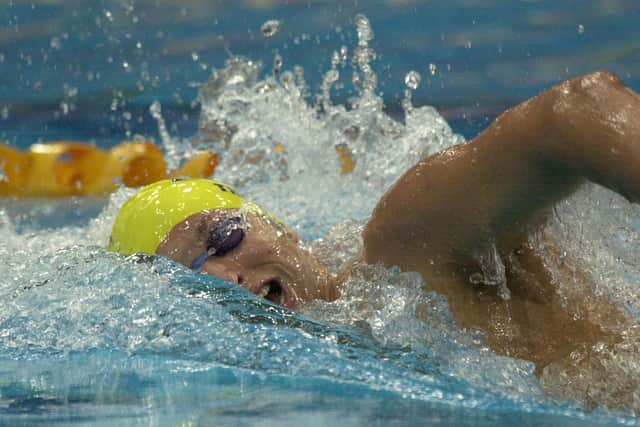
These are all moments that deserve to sit alongside sepia-tinted memories of the ‘Miracle Mile’ between John Landy and Roger Bannister in Vancouver in 1954, or the audacious emergence of a 15-year-old swimmer called Ian Thorpe in Kuala Lumpur in 1998.
Birmingham will facilitate more of these contrasting memories, and while talk of medal tables may seem anathema to the friendly spirit that pervades these games, England will nevertheless be seeking to usurp Australia and reclaim top spot.
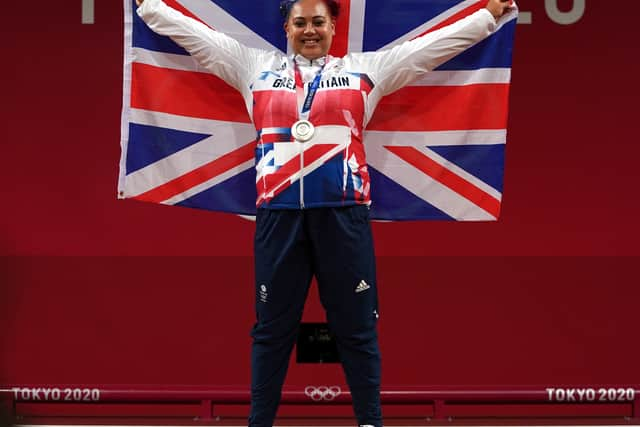
Northern Ireland hope Rhys McClenaghan can shrug off the selection controversy that almost cost him his chance to defend his men’s pommel title, and lawn bowler Alex ‘Tattie’ Marshall looks to underline his record as Scotland’s greatest performer at the Games.
The introduction of 3X3 basketball and T20 cricket will give it a new dimension, with the former in particular looking to capitalise on the surging popularity of the so-called ‘urban’ sports programme in Tokyo last year.
But seen solely as an opportunity to compete on a major multi-sport stage, it comes into its own. Its enduring stature is acknowledged in the fact that Asher-Smith and Shelly-Ann Fraser-Pryce are squeezing it into their already hectic schedules.
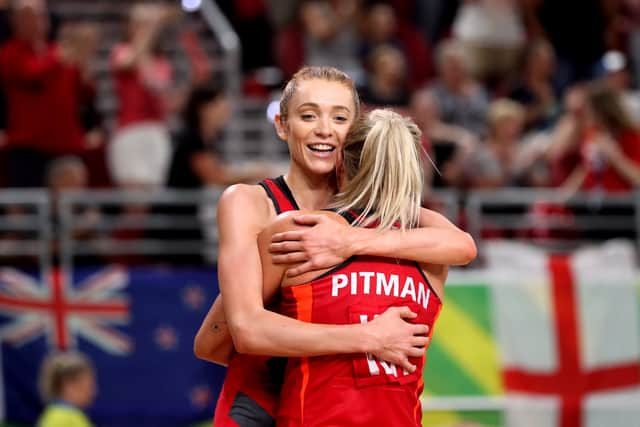
It is why cricket lobbied so strongly for inclusion, and why netball returns to the programme as a sport transformed in this country since Helen Housby’s famous last-gasp goal to clinch a famous gold medal win over Australia four years ago.
It is why kids from wave-lapped Pacific atolls can harbour the audacious dream of one day competing alongside their heroes. For all those reasons, the Commonwealth Games – anachronistic, yes, and even faintly anarchic – should continue to be coveted.