
Archaeologists uncover identity of 1700s Orkney shipwreck
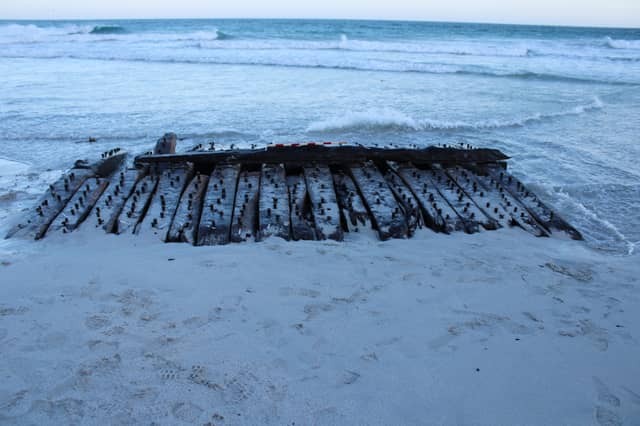

Archaeologists have uncovered the identity of a 1700s vessel shipwrecked in Orkney.
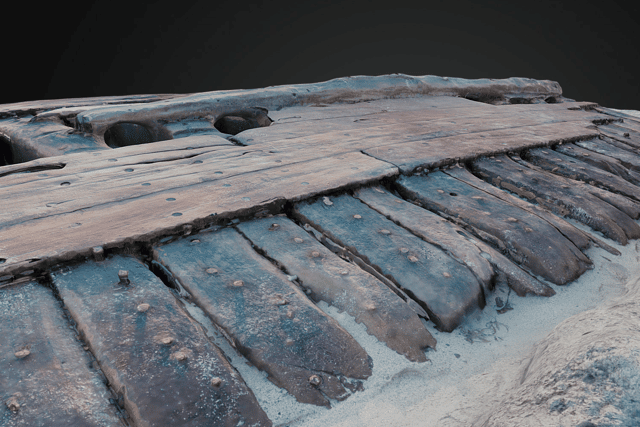
Expert say the vessel discovered on the island of Sanday last year is most likely the Earl of Chatham, a former Royal Navy vessel called HMS Hind that was later renamed once it became a whaling ship.
Once it was decommissioned, it was sold and renamed the Earl of Chatham, becoming a 500-tonne whaling ship.
HSE said this was common for Royal Navy ships because their build quality allowed them to withstand the icy conditions of British whaling routes.
As the Earl of Chatham, it completed four seasons in the Arctic before ultimately meeting its end in the Bay of Lopness in March 1788.
Wessex Archaeology, along with with Dendrochronicle and volunteer community researchers, began working on its origins following its discovery in February 2024.
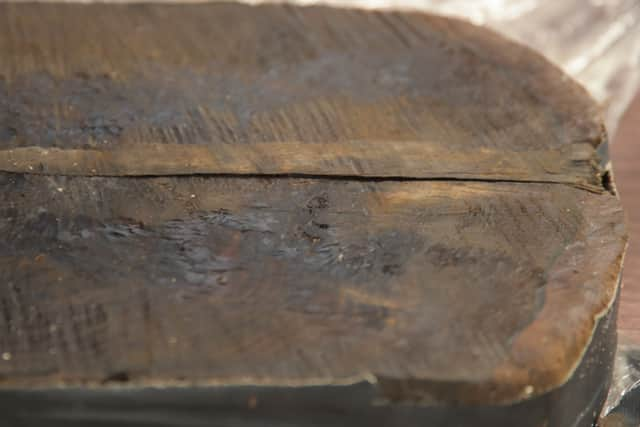
Analysis of the wood determined the ship was built with timber from south and south-west England.
This research was also supported by Sanday Heritage Group and Orkney Archaeology Society.
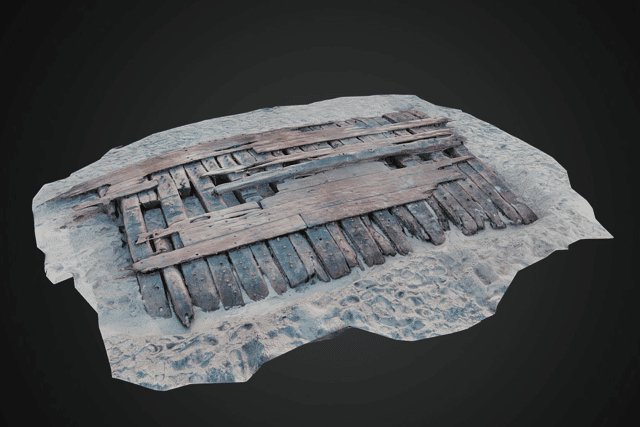
The Sanday Wreck was revealed last year thanks to changes in the climate. Increased storminess and unusual wind patterns led to removal of the covering sands which had hidden and protected the wreck for centuries.
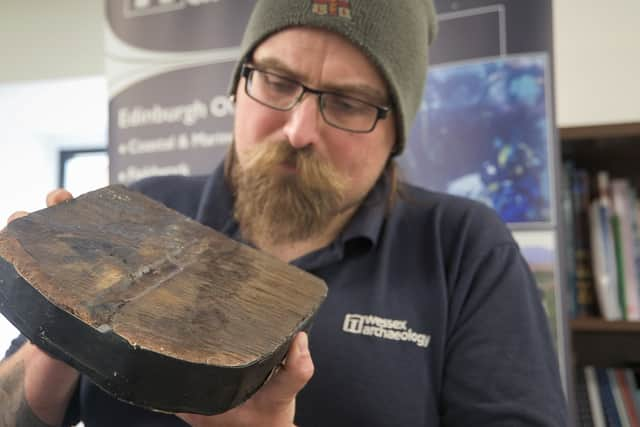
Ben Saunders, senior marine archaeologist at Wessex Archaeology, said: “It is thanks to our dedicated team of community researchers and the evidence they have gathered that means we have been able to identify the Sanday Wreck with a reasonable degree of confidence.
“Throughout this project, we have learned so much about the wreck, but also about the community in Sanday in the 1780s.
“Sanday was infamous for shipwrecks at the time, called ‘the cradle of shipwrecks in Scotland’, but the community was equally well-known for its hospitability as it looked after sailors who fell afoul of the area’s stormy seas.
Alison Turnbull, director of external relations and partnerships at HES, said: “The discovery of the Sanday Wreck is a rare and fascinating story.
“Wessex Archaeology worked closely with the community of Sanday to discover the ship’s identity, which shows that communities hold the keys to their own heritage.
“It is our job to empower communities to make these discoveries and be able to tell the story of their historic environment.
Nick Hewitt, culture team manager for Orkney Islands Council, added: “It has been a wonderful team effort so far between many and one we’re proud to have been a part of, and will continue to be as we support the Sanday community explore the future possibilities for their wreck.”
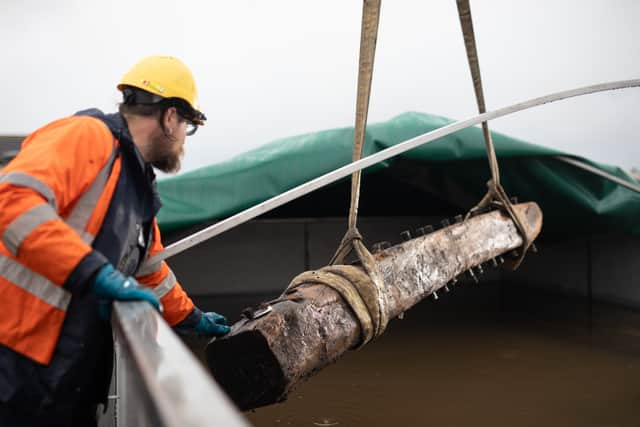
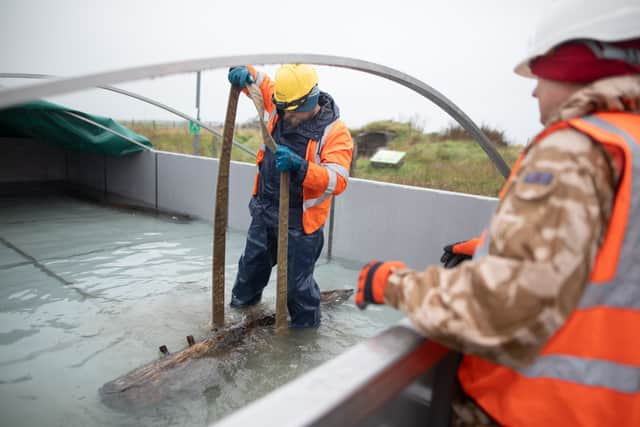
The timbers are currently housed in a freshwater tank at the Sanday Heritage Centre to conserve them. There visitors can find out more about the wreck’s story and Sanday’s history.