


If you’ve found your hair getting more greasy more quickly for no conceivable reason, the answer may lie in your hairbrush hygiene.
Brushing your hair is not only supposed to get tangles out, but it distributes sebum which ensures your scalp’s pH balance is maintained. If your brush is filthy, you’ll be throwing the pH balance totally off.
So, to avoid inflammation, irritation and dandruff, here’s an expert-approved guide on how to clean your hairbrush correctly.
How often to clean your brush
Kingsley recommends you clean your brush every two to four weeks. “You clean your make-up brushes regularly to remove grime, and you should be doing this with your hairbrush too,” she says.
If you’re someone who uses hot hair tools often, celebrity stylist Michael Douglas recommends washing your brush every 20 blow dries.
How to clean your brush
If you’re starting to worry that you’ve been inadvertently damaging your hair for years: here’s Kingsley’s step-by-step guide on how to clean your brush:
Comb it: Use a wide-tooth comb and/or your fingers to remove any strands of hair from your brush.
Wash it: Mix your regular shampoo with warm water, or 2 tablespoons of baking soda with 2 cups of warm water, in a container or your sink. Submerge your brush and leave it to soak from 10-15 mins. If your brush is wooden, you should quickly dip the prongs into soapy water and remove it – do not soak it.
Scrub it: Using a toothbrush, gently scrub between the prongs.
Rinse it: Wash it well and shake out excess water. If you are washing a paddle brush, make sure to gently squeeze any excess water out of the base.
Leave it to air dry (don’t blow dry): Leave your brush to dry completely on a hand towel or on your dish rack. Blow-drying it can warp the prongs and damage the shape. Air drying it can take anywhere from 12-24 hours.
Mason Pearson Hairbrush Cleaner 100ml, £5.40 (was £6.75), Landys Chemist
How often to replace your brush
We’re certainly not replacing our hairbrushes as often as we should. Just like a sturdy kettle, why fix what ain’t broke? Well apparently, that approach isn’t quite right when it comes to haircare.
“Often brushes can get better as they wear in because the bristles can soften and move into a shape that benefits the hair of the user. You can sometimes find a brush needs to be broken in.”
So brushes can get better as they age, but of course there is a tipping point. Douglas recommends changing your brush after about a year of use.
The best brushes to buy according to hairdressers
Investing in your hairbrush is a great idea for durability and to avoid hair loss from overly zealous prongs. “A brush with widely spaced bristles is always kinder to the hair as it puts less friction on the hair – as friction can cause breakage in the hair,” says Douglas.
No brush should be too abrasive. “A good test is to run your brush over the back of your hand,” says Kingsley, “if it feels harmful or leaves red marks on your skin, it’s too rough for your strands, particularly as hair doesn’t have nerve endings, so it’s hard to tell when you’re damaging it.”
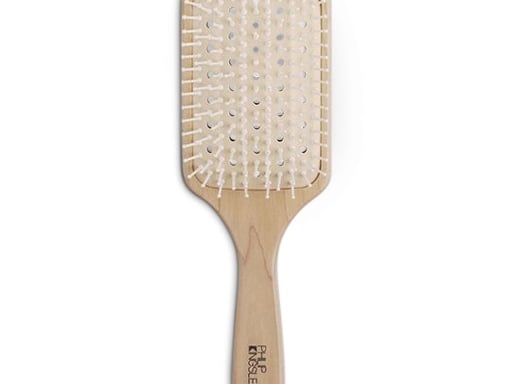
1.
Manta Manta Original Healthy Hair Brush, £30
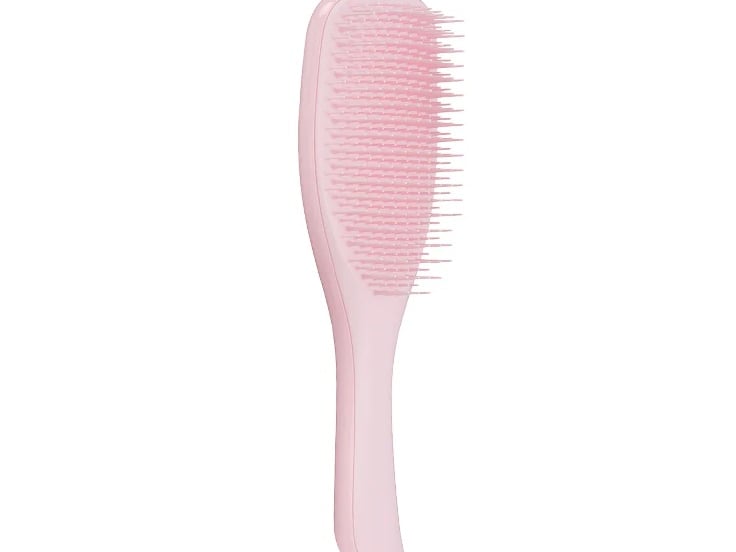
2.
Philip Kingsley Vented Paddle Brush, £20 (was £27)
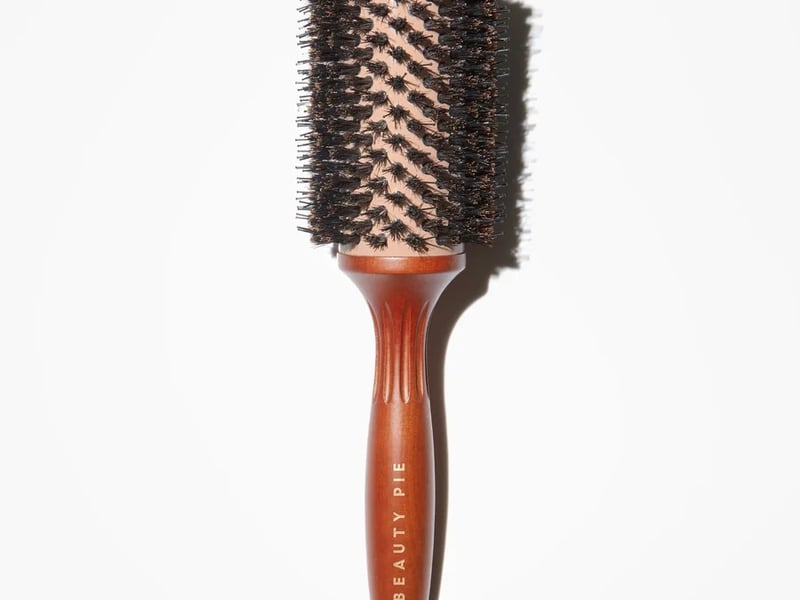
3.
Beauty Pie Super Healthy Hair Pro-Dry Barrel Brush (43mm), £22 (was £35)