
Artemis astronauts describe lunar voyage as surreal ahead of Earth return
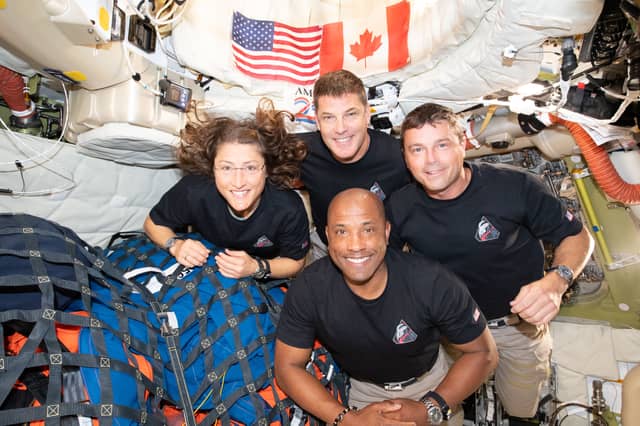

Drawing ever closer to Earth, the Artemis II astronauts tidied up their lunar cruiser for its upcoming “fireball” return and reflected on their historic journey around the Moon, describing it as surreal and profound.
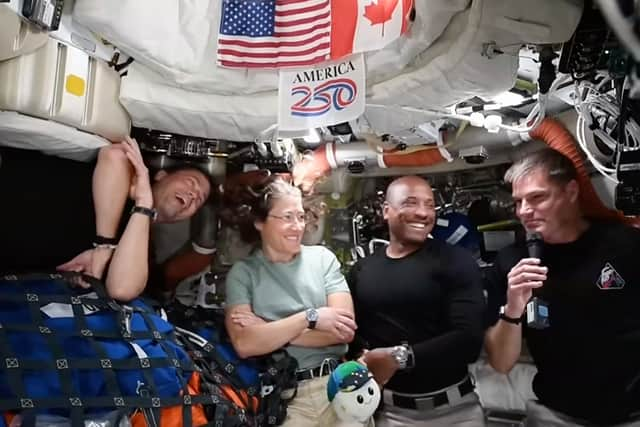
Pilot Victor Glover said: “We have to get back. There’s so much data that you’ve seen already, but all the good stuff is coming back with us. There are so many more pictures, so many more stories.”
He added that “riding a fireball through the atmosphere is profound as well”.
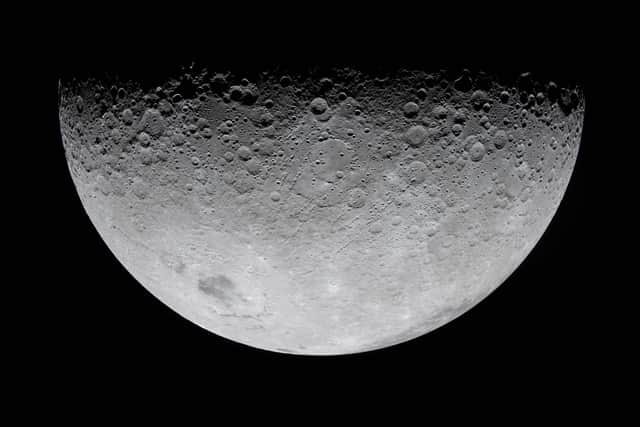
“There’s a lot that our brains have to process … and it is a true gift,” Wiseman said during the crew’s first news conference since before lift-off.
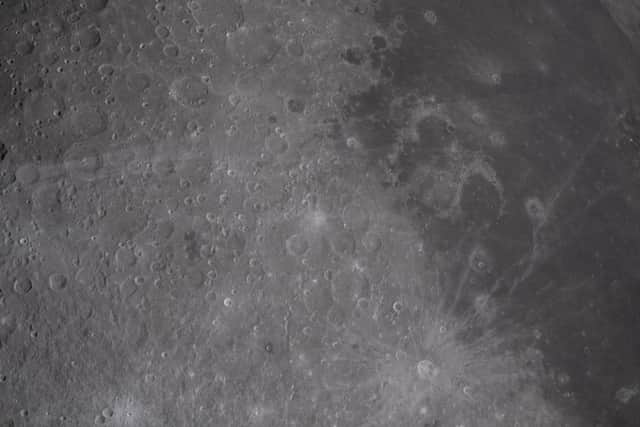
While out of contact behind the Moon on Monday, Wiseman, Glover, Christina Koch and Canada’s Jeremy Hansen became the most distant humans ever, clocking in at a record 252,756 miles (406,771 kilometres) from Earth before heading back.
As they emerged from behind the Moon, they experienced a wondrous total solar eclipse as the orb blocked the sun from their perspective.
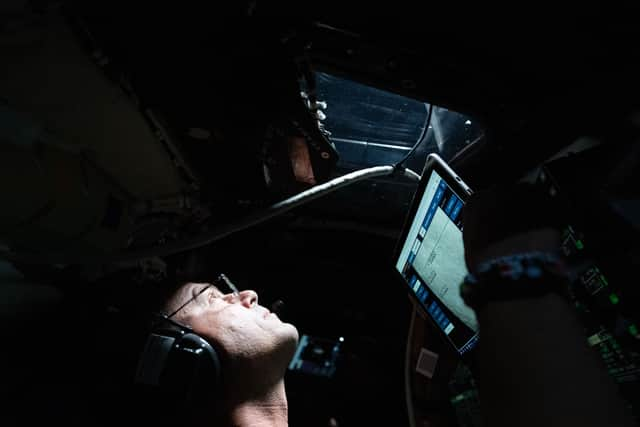
While acknowledging anxiety over Friday’s return, Nasa associate administrator Amit Kshatriya said the crew’s “expressions of love and devotion to family” have warmed hearts worldwide and served as “a great example of why we go and do these missions”.
“If you can’t take love to the stars, then what are we doing?” he said. “That’s why we send humans instead of robots sometimes, that’s why we have that firsthand witness.”
Friday’s re-entry and Pacific splashdown off the coast of San Diego — as dynamic and dangerous as lift-off — now tops everyone’s minds.
The recovery ship, USS John P Murtha, is already at sea, with a squadron of military planes and helicopters poised to join the operation.
Artemis’s Orion capsule will come screaming back, hitting the atmosphere at a predicted 34,965 feet (10,657 metres) per second — or 23,840 mph (38,367 kph) — not a record but still mind-bogglingly fast.
Flight director Jeff Radigan said the capsule must nail the re-entry angle within a single degree.
“Let’s not beat around the bush. We have to hit that angle correctly — otherwise we’re not going to have a successful re-entry,” he said.
Mission Control will be paying close attention to how the capsule’s heat shield holds up.
During the only other Orion test flight to the Moon — in 2022 without a crew — the heat shield suffered considerably more damage than expected from the 5,000 degrees Fahrenheit (2,760 degrees Celsius) of re-entry.

Next year’s Artemis III and beyond will fly with redesigned heat shields.
Artemis III will see astronauts practice docking their capsule with a lunar lander or two in orbit around Earth.
Artemis IV in 2028 will attempt to land two astronauts near the moon’s south pole, setting the stage for what Nasa hopes will be a sustainable lunar base.
Nasa officials have been loath to provide their risk assessment numbers for the nearly 10-day mission, acknowledging launch and entry as the biggest threats.
Nasa’s Lakiesha Hawkins said: “We’re down to the wire now.
“We’re down to the end of the mission, and obviously getting the crew back home and getting them landed safely is a significant part of the risk that’s still in front of us.”