
Bees flourishing thanks to new wildlife corridors in South Downs National Park
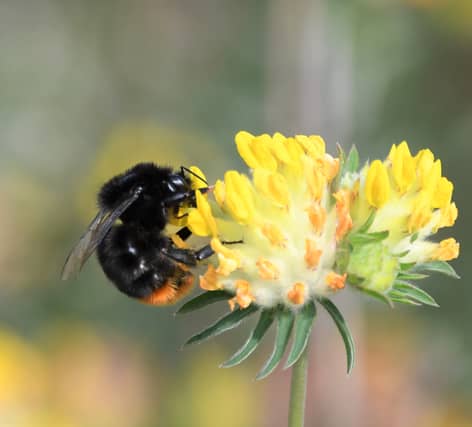

Wildflower habitats the size of 163 football pitches have been created in the South Downs National Park to help bees flourish.
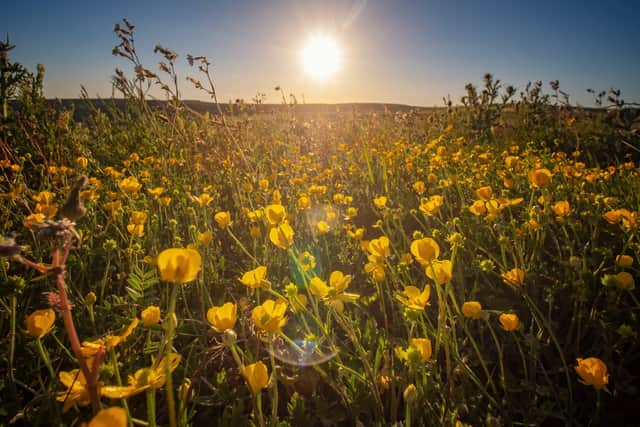
To mark World Bee Day (May 20), the national park authority is celebrating the progress made by the wildlife corridor initiative which has included 18 projects in Hampshire and Sussex receiving a total of £95,000 in funding.
Nick Heasman, a countryside policy manager for the South Downs National Park who has been helping to lead Bee Lines, said that early data was encouraging and showed that bee and butterfly populations were bouncing back in the area.
He said: “Bees are busy ecosystem engineers and by pollinating flowers they create food for other wildlife and, of course, humans. In fact, one out of every three mouthfuls of our food depends on pollinators such as bees.

Pupils and staff at Prince’s Mead School in Winchester have spent two years planting and cultivating a wildflower meadow in the school grounds.
School bursar Poppy Hughes said: “The children clearly gain a huge amount of educational value from spending time making observations of the flowers and pollinating insects.
“We have without a doubt seen an enormous increase in biodiversity resulting from the new meadow as the children have identified snails, mice, buzzard as well as many species of butterflies and bees.
“In addition to raising children’s awareness of the importance of pollinating insects in the food chain, the wildflower meadow is also a wonderful source of peace, beauty and tranquillity.”
Sophie Green, of Dales Farm, Northchapel, West Sussex, said: “Our wildflower plantings are situated in the field where our shepherd’s hut rentals are and we’ve had so many compliments and amazing feedback from guests about how lovely it is.”