
Brazil gears up for Carnival to return in full following pandemic
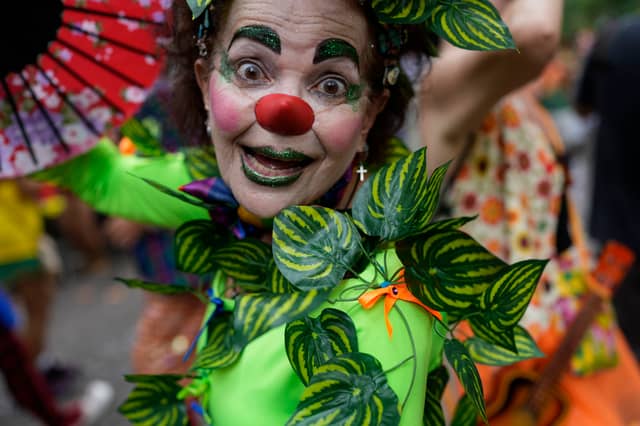

Brazil’s Carnival was returning in full form on Friday following several years of curtailed celebrations because of the Covid-19 pandemic.
Covid last year prompted Rio to delay Carnival by two months, and watered down some of the activities, which were attended mostly by locals.
This year, Brazil’s federal government expects 46 million people to join the festivities that officially begin on Friday and run through to February 22.
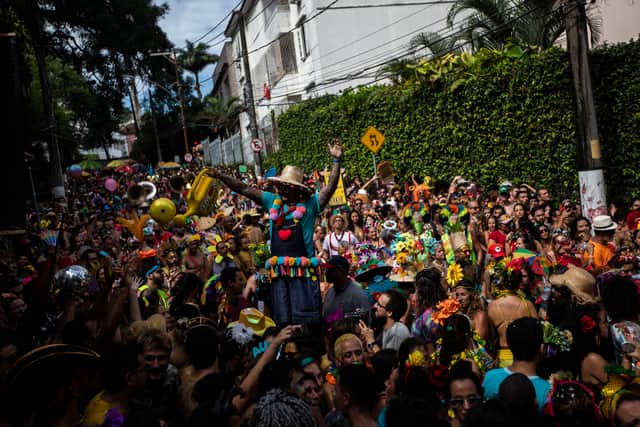
“We’ve waited for so long, we deserve this catharsis,” engineer Thiago Varella, 38, said.
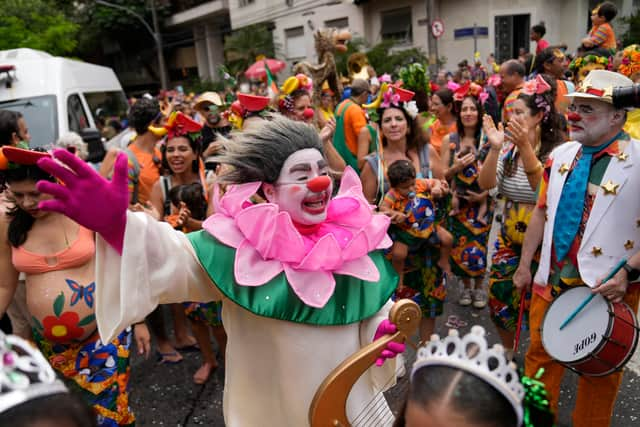
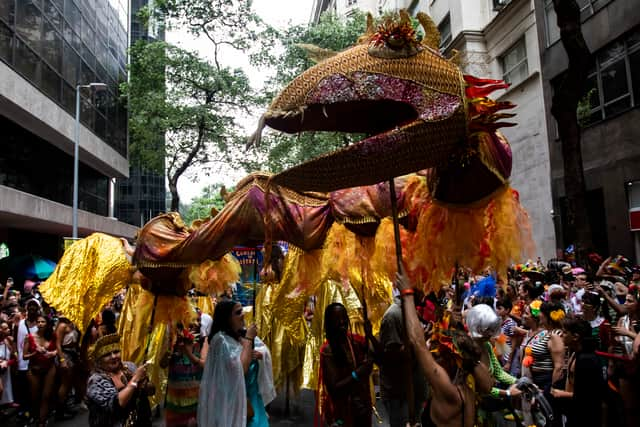
Most tourists are eager to go to the street parties, known as blocos. Rio has permitted more than 600 of them, and there are more unsanctioned blocos.
The biggest blocos lure millions to the streets, including one bloco that plays Beatles songs with a Carnival rhythm for a crowd of hundreds of thousands. Such major blocos were called off last year.
The premier spectacle is at the Sambadrome. Top samba schools spend millions on hour-long parades with elaborate floats and costumes, said Jorge Perlingeiro, president of Rio’s league of samba schools.
“What’s good and beautiful costs a lot; Carnival materials are expensive,” Mr Perlingeiro said. “It’s such an important party. It’s a party of culture, happiness, entertainment, leisure and, primarily, its commercial and social side.”
He added that this year’s Carnival will smash records at the Sambadrome, where some 100,000 staff and spectators are expected each day in the sold-out venue, plus 18,000 paraders. While President Luiz Inacio Lula da Silva is not expected to be among them, his wife Rosangela da Silva has said she will be at the parade.
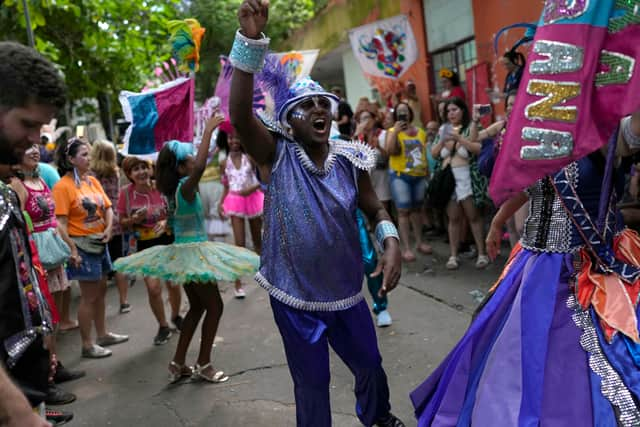
Nearly 700,000 Brazilians died in the pandemic, the world’s second-highest national total, after the US, and many blamed Mr Bolsonaro’s response, weakening his bid for reelection that he ultimately lost. Many at this year’s street parties are celebrating not just the return of Carnival, but also Mr Bolsonaro’s defeat.
This year shares some of the spirit of the 1919 edition, which took place right after Spanish influenza killed tens of thousands of Brazilians, but was no longer a significant threat. The First World War had just ended and people were eager to unburden themselves, said David Butter, the author of a book about that year’s celebration.
Rio expects some 5 billion reais (about £0.8 billion) in revenue at its bars, hotels and restaurants, the president of the city’s tourism agency, Ronnie Costa, said.
Rio’s hotels are at 85% capacity, according to Brazil’s hotel association, which expects last-minute deals to bring that figure near to its maximum. Small businesses are benefitting, too.
“Carnival is beautiful, people are buying, thank God all my employees are paid up to date,” said Jorge Francisco, who sells sequined and sparkly Carnivalwear at his shop in Rio. “For me, this is an immense joy, everyone smiling and wanting. That’s how Carnival is.”