
Burberry brings British nostalgia to London Fashion Week with tea-time tartan and trench coats

Hidden within the manicured lawns of Kensington Gardens in London’s Hyde Park is Perks Field, a private green space originally planned in the 17th century by George London and Henry Wise.
But for London Fashion Week it became Daniel Lee’s stage. The creative director transformed it into a country dreamscape for Burberry’s spring/summer 2026 show.
The collection was a remix of familiar codes into something more tactile, eccentric and festival-ready: a revival of old British countryside dressing for a new audience.
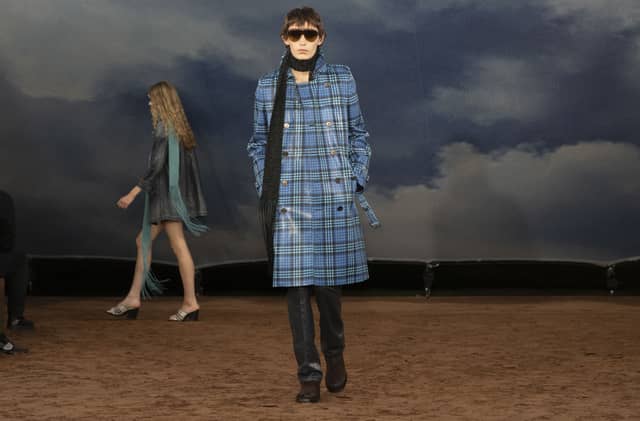
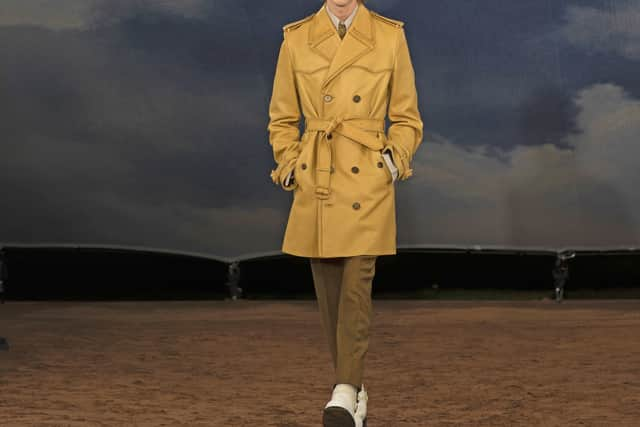
This was certainly apparent for his latest collection. The mood was set from the opening look: a double-breasted tartan trench in deep mustard leather worn with chunky biker boots, at once aristocratic and rugged.
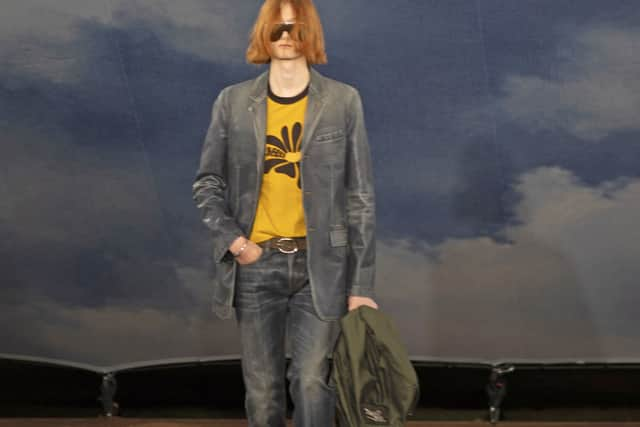
Everything felt a little looser and a little more lived-in than previous Burberry collections – as if the ensembles were borrowed from a well-stocked upper-class wardrobe.
Lee doubled down on Burberry’s most recognisable motif, turning the check from a discreet lining into a full-look proposition.
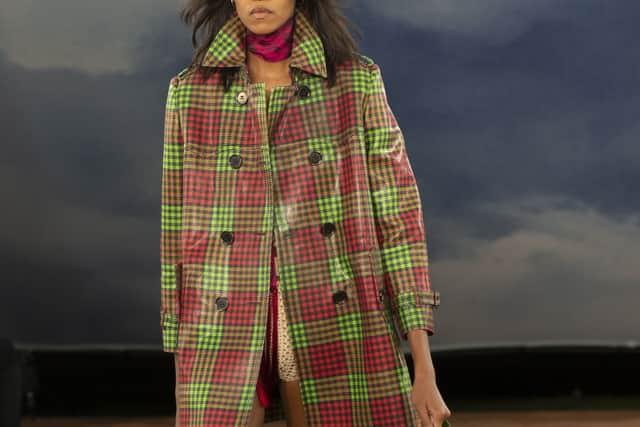
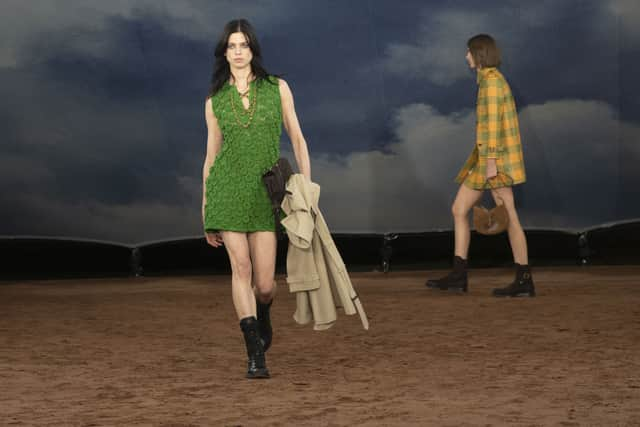
Swing coats, trench dresses and minis came in acid-green and crimson tartans or sky-blue plaids, styled with biker boots or sandals to pull back any prim-and-proper associations.
Crochet dresses – one in ivory, one in bright green – added a hand-crafted softness and looked deliberately mismatched with the smart outerwear slung nonchalantly over an arm.
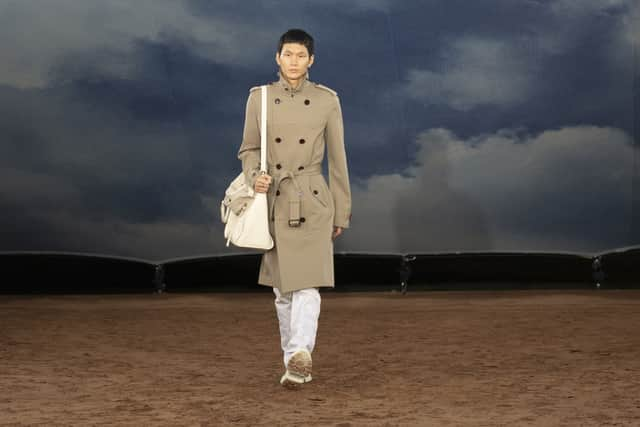
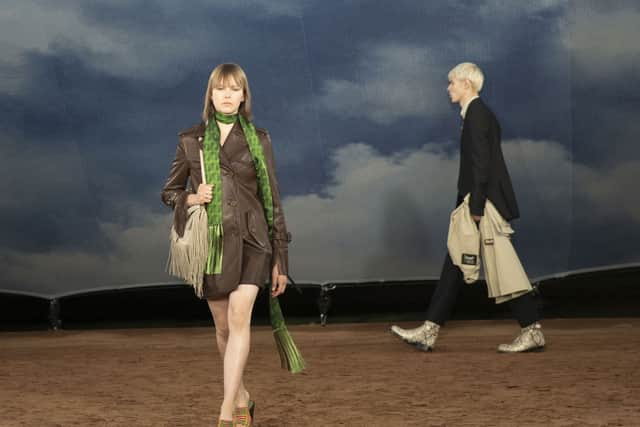
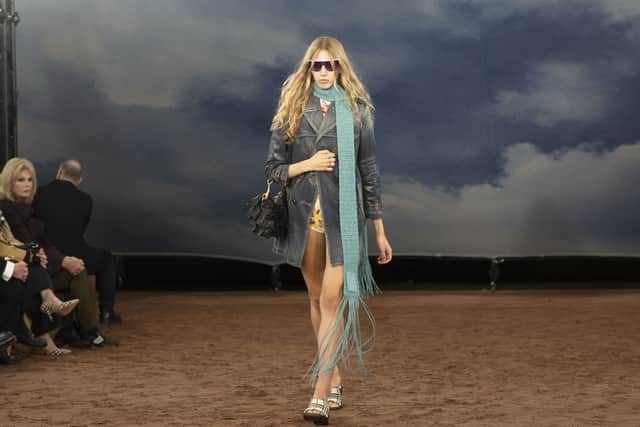
Bags were slouchy leather with fringe; boots were desert or python; sunglasses were oversized shields, hinting at racing days and club nights alike.
Lee managed to turn any stuffy associations with heritage and tradition into a cooler, more youthful energy.
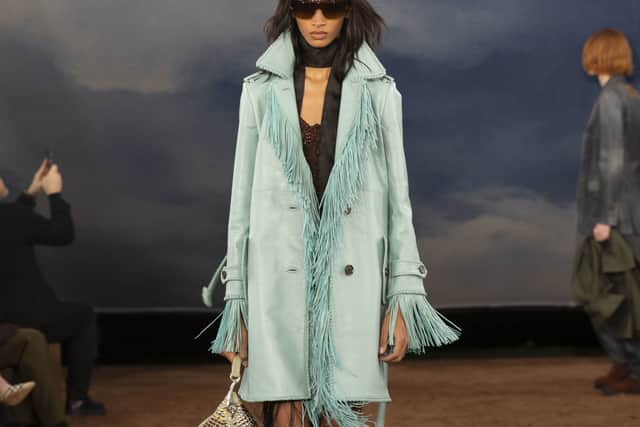
Tailoring was cut long and soft, with skinny ties dangling and cuffs spilling past wrists, as if Lee was loosening the formalities of Savile Row. There was nostalgia in the palette and proportions – evoking a 1980s scene of a city banker going rural or a corporate worker fleeing to a festival.
It’s a tricky balancing act. Burberry’s strength lies in its Britishness, but in recent years the house has wrestled with how to make that heritage resonate with younger, global customers without losing its aura of luxury.
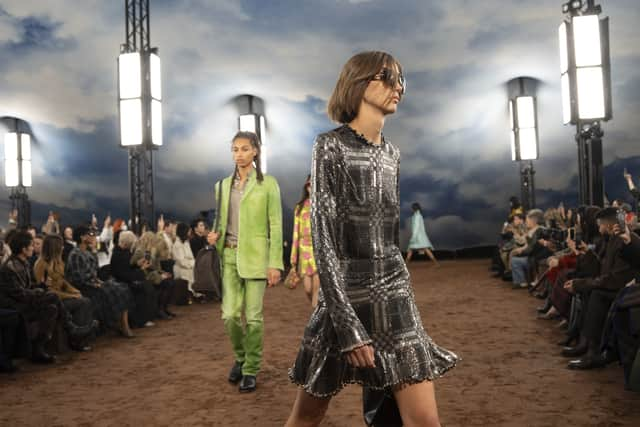
It looked designed not just for unpredictable weather but for unpredictable taste, an adaptable wardrobe of icons rather than a set of uniforms.
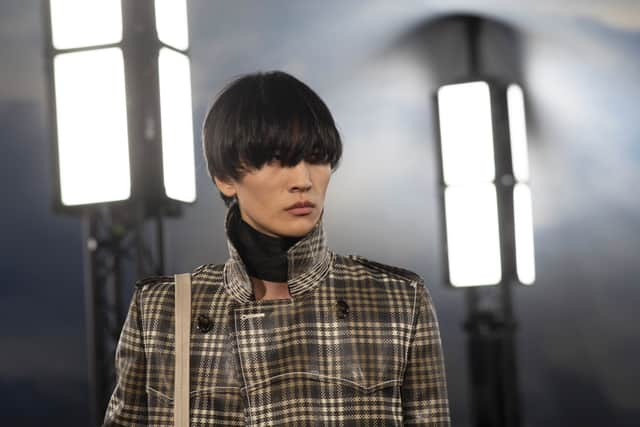
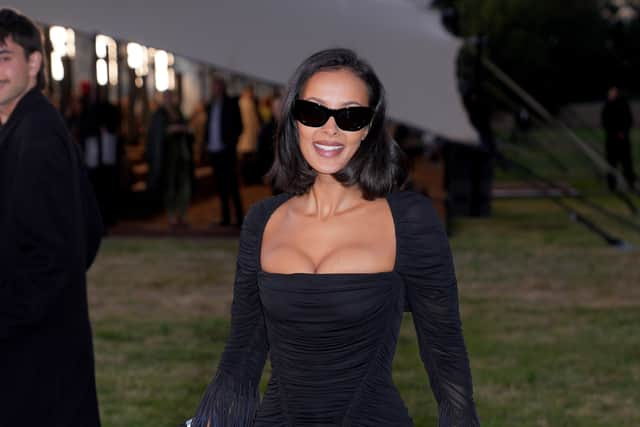
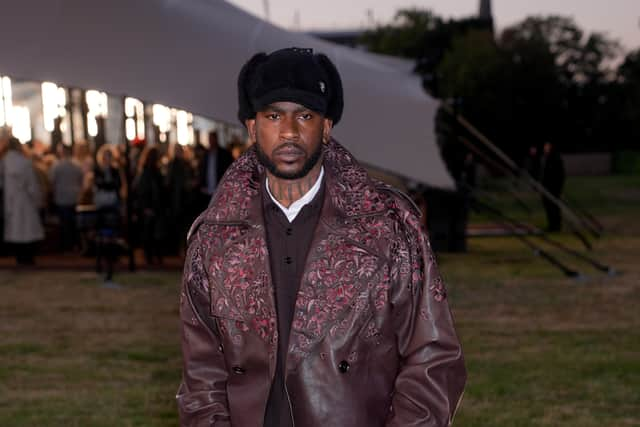
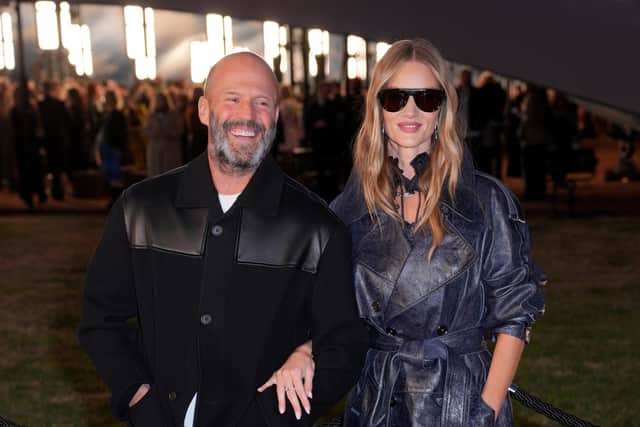
For a label built on weatherproof fabric, the show was a fitting proposition: clothes ready to withstand both the rain and the scrutiny of fashion’s fickle seasons.
Whether this approach will cement Burberry’s place at the top of the luxury hierarchy remains to be seen, but on this evidence Lee has given British heritage a louche new lease of life.