
Cairo’s historic Nile River houseboats removed in government push
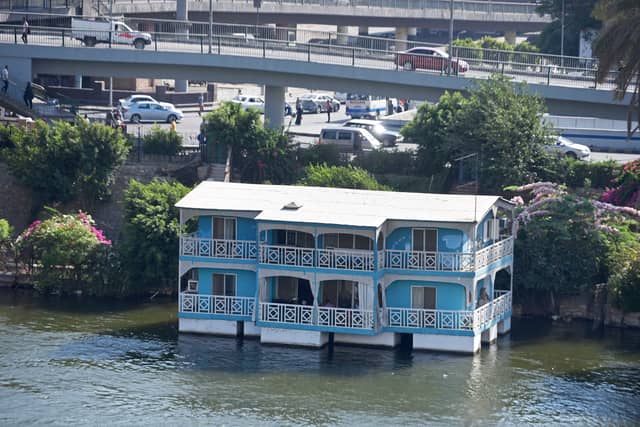

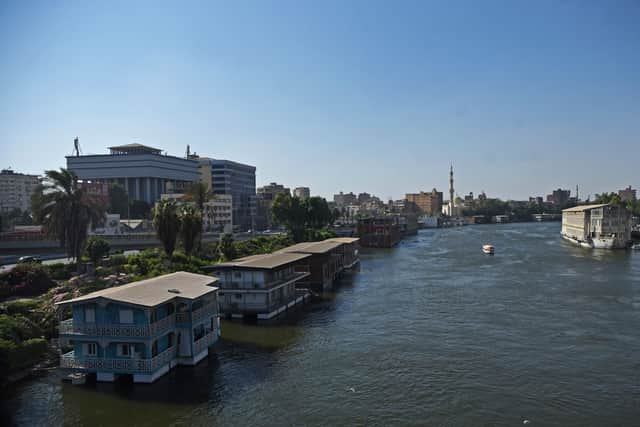
An Egyptian government push to remove the string of houseboats that dot Cairo’s Nile River banks has seen their numbers dwindle from several dozen to just a handful.
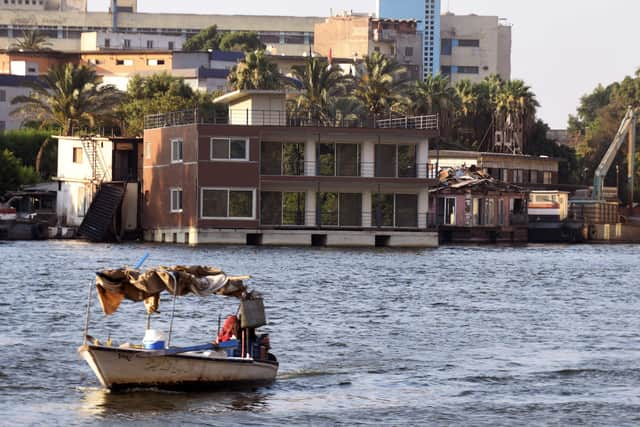
Houseboats are a Cairo tradition that dates back to the 1800s, and government efforts to remove them have drawn criticism in Egypt, where residents are mourning the loss of not just their homes but a way of life.
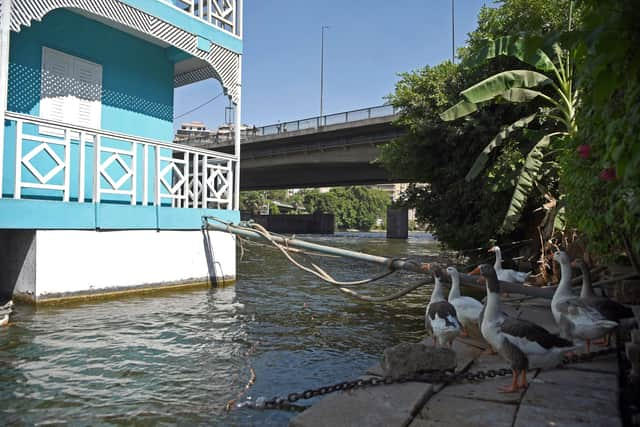
The houseboats are being removed or renovated to develop the waterfront commercially, according to officials. But the government has not released detailed plans of what that entails.
Ahdaf Soueif, a prize-winning Egyptian novelist who bought and renovated a her houseboat after moving back to Egypt from the United Kingdom 10 years ago, said: “The point is that they really, really don’t seem to understand that there is value – intangible values – there is value in history.”
The floating homes are being removed or renovated to develop the waterfront commercially, according to officials.
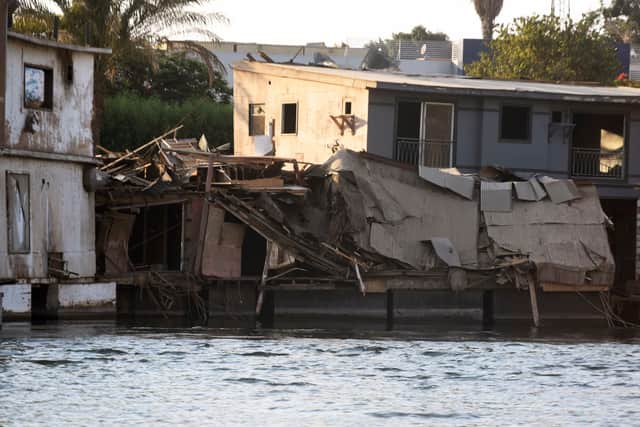
In late June, residents of at least 30 houseboats were ordered to evacuate within 20 days. Located on a stretch of the river in the working-class areas of Imbaba and Kit-Kat, they sat opposite the upscale residential island of Zamalek.
The eviction notices came after years of government pressure in the form of increasingly expensive mooring licenses.
Action followed soon after, with most of the dwellings being dismantled by their owners or moved by the government in late June. The evictions are ongoing.
She had been required to pay 72,000 Egyptian pounds (about £3,100) for a mooring licence in 2018, up from 160 pounds in 2013.
Omar Robert Hamilton, Ms Soueif’s son, said in a post on social media that Ms Soueif and other residents stopped paying the fees and sued to fight the increases.
But the government imposed fines and they are now demanding Ms Soueif’s family produce 900,000 pounds, or roughly £40,000, in back fees.
She said the opaqueness of the government’s decision-making is startling. She learned from an official’s recent interview on television that the Engineering Authority of the Armed Forces made the decision to evict the houseboat residents in 2020.
The authority is the force behind the military’s many road projects and the country’s mega-plans, including construction of a new administrative capital on Cairo’s desert outskirts.
New building and development is not easy in Cairo, a city with layers upon layers of history. But Ms Soueif says sacrificing history is not the right way to go about it.
“When you’re trying to turn Egypt into Dubai, you actually devalue it,” Ms Soueif said, referring to the newness of one of the Middle East’s most modern capitals. “You are just destroying your assets that nobody has.”