
Cancelled ambulance calls up 670% as patients make own way to hospital
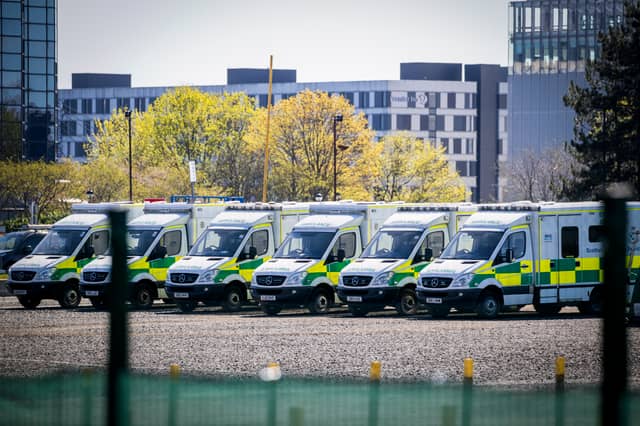

The number of patients cancelling ambulance calls because they have made their own way to hospital has increased by 670%, new figures show.
A freedom of information request by the Scottish Liberal Democrats found the number of cancellations because patients sourced their own transport rose from 753 in the 2016-17 financial year to 5,796 in 2021-22.
The number of incidents where an ambulance arrived to find the patient had made their own way to hospital also rose, from 405 to 2,330 – a 475% increase, during the same time period.
Scottish Lib Dem leader Alex Cole-Hamilton said it is not clear if the decision to attend hospital without an ambulance was “a preference or a necessity”, as he called on Health Secretary Humza Yousaf to provide move funding for emergency care.
Accident and emergency departments in Scotland have been under strain in recent months, repeatedly recording the worst waiting time figures on record, while the ambulance service has also been under well-documented pressure due to increased demand.
Mr Cole-Hamilton said: “People want to know that when they call the emergency services there is an ambulance available should they or their family need it.
“These figures suggest that more and more people may be having to take themselves to the hospital because emergency care simply isn’t there.

“If thousands of people are having to take a taxi to the A&E rather than wait at home in pain for an ambulance that may or may not come, then that is an indictment of the SNP’s handling of emergency care.
“The Health Secretary must step up his game and provide new funds.
“The SNP should focus their energy and resources on helping the ambulance service provide the best possible service, rather than another divisive referendum.”
The figures also reveal a stark drop in the number of incidents attended by ambulance crews where their service was deemed not to be required.
In 2016-17, 34,776 calls were made where an ambulance was not required but where the caller was credited with having “good intent”, compared to just 5,635 last year.