
Cancer deaths up although risk of dying from the disease falls to record low
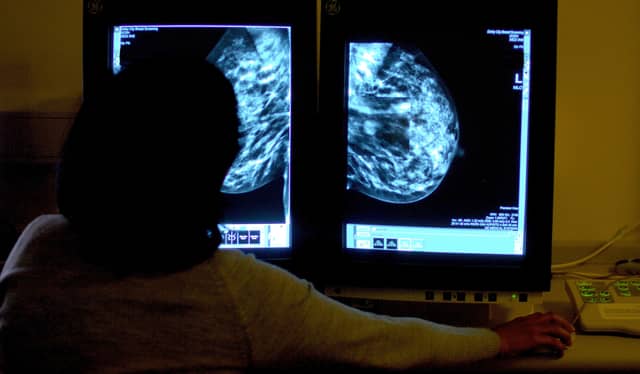

Cancer deaths in Scotland have risen over a 10-year period, despite figures showing the risk of dying from the disease is at the lowest on record.
New data showed that the European Age Standardised Rate (EASR) for cancer deaths – which set out the risk of dying from the disease – fell to 296.8 per 100,000 population for 2022.
That is down by 2.9% on the previous year, with a decrease of 11.1% compared to 2013, with the EASR now at the lowest it has been in data that goes back to 1998.
However, figures published by Public Health Scotland showed that between 2013 and 2022 cancer deaths rose by 3.2%, from 15,764 to 16,265.
This increase “largely reflects an increase in the proportion of older age groups within the population, and the fact that cancer is more common among older people”, the report from Public Health Scotland said.
In 2022, more than two-thirds (69%) of all cancer deaths were in people aged seventy and over, the figures showed.
Meanwhile four cancers – lung, bowel, breast and prostate – accounted for almost half (46%) of cancer deaths in that year, the report added.
The report also found that in 2022 cases of cancer were almost a quarter (23.9%) higher in the most deprived parts of Scotland than they were in the least deprived communities – and mortality rates were 78% higher in the poorest areas.
Public Health Scotland said that “mortality reflects the combined effects of increased risk and poorer survival from cancer in more deprived areas”.
The report also noted that while overall cancer death rates have declined for both men and women since 2012, there had been “notable increases” for some forms of the disease.
Liver cancer deaths have risen by 15% amongst men and by 20% amongst women over the period 2013 to 2022.
However, Public Health Scotland said; “Nearly half (49%) of liver cancer cases are preventable through lifestyle changes such as reducing obesity, smoking, alcohol consumption, and preventing viral liver infections.”
Labour health spokesperson, Dame Jackie Baillie, said it was “deeply worrying that the number of cancer deaths in Scotland has risen over the course of a decade”.
She added that these deaths include “an alarming increase in the number of men dying from cancer, with a rise of 5% between 2013 and 2022.”
Dame Jackie said the Scottish Government was “moving too slowly on its commitment to introduce lung cancer screening”.
She further insisted: “SNP ministers must also act urgently to improve waiting times for cancer treatment as almost a third of patients referred to the NHS in Scotland are waiting longer than the 62-day target to start treatment.”
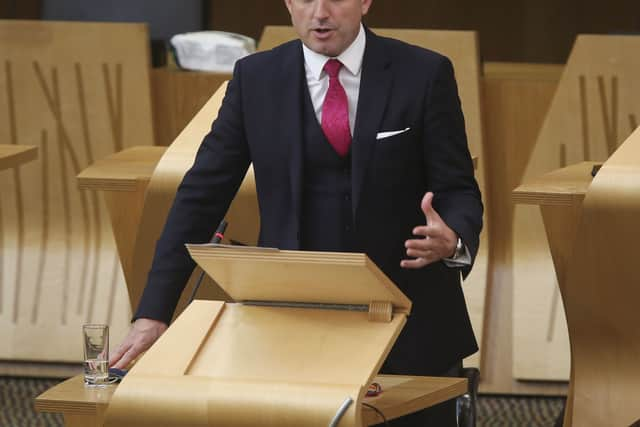
Scottish Liberal Democrat leader Alex Cole-Hamilton said the figures showed that “cancer patients cannot depend on this SNP Government”.
Hitting out at SNP ministers the Liberal Democrat said: “In Scotland, more people die of lung cancer than any other form of disease. Survival rates aren’t much better than what they were in the 1970s.
“International studies show Scotland falling behind with cancer care. The SNP’s failure to roll out a national lung cancer screening programme is another example of that.”
He added: “My party wants to see the government ending their dithering and making a full rollout of this screening programme a top priority.
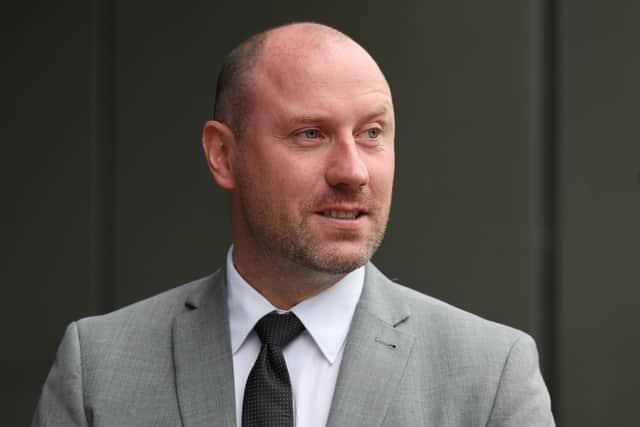
However Health Secretary Neil Gray said: “It is encouraging to see the risk of dying from cancer in Scotland is at a record low.
“This is down to the hard work of NHS staff, improved treatment options, and people reporting their symptoms at an earlier stage.”
He added: “We are determined to further improve cancer survival, reduce waiting times and provide excellent, equitably accessible care right across Scotland.”
The Health Secretary said the Scottish Government is “taking action to improve the awareness and earlier diagnosis of cancers, including expanding our Rapid Cancer Diagnostic Services and our investment of more than £14 million towards cancer waiting times this year”.
He also stated: “Reducing health inequalities is a clear ambition for this government.
“Cutting smoking rates is key to tackling lung cancer incidence in areas of deprivation – our world-leading tobacco control measures are helping us in our goal of a Tobacco-Free Scotland by 2034.”