
Cancer treatment waiting times fall to their worst performance on record
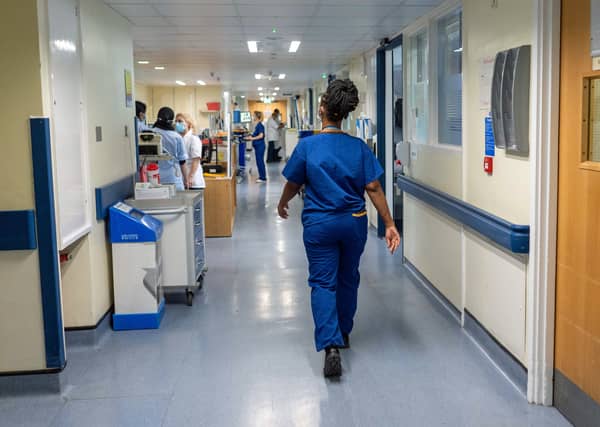

Cancer treatment waiting times have fallen to their worst showing on record, new figures indicate.
Health Protection Scotland data shows 71.7% of eligible patients started treatment within the 62-day target time in the three months to December 31 last year.
This is down from 75.1% in the previous quarter and a 12 percentage point decrease since the last full quarter pre-pandemic of October-December 2019 when 83.7% were seen within the target time.
The new figures sparked concern among opposition politicians and cancer charities, with the waiting times branded “beyond disgraceful” and calls made for the Scottish Government to take action.
The 62-day standard states that 95% of eligible patients should wait no longer than 62 days from urgent suspicion of cancer referral to first cancer treatment.
No health board met the 95% standard in October-December 2022 and it has not been met nationally since the end of 2012.
The number of patients referred has continued to increase, at 4,262 in October-December last year, up 2.3% on the previous quarter and 14.5% on the quarter ending December 31 2019.
Scottish Conservative health spokesman Dr Sandesh Gulhane said: “These horrendous figures lay bare the terrifying legacy of Humza Yousaf’s stewardship of our NHS. In every quarter during his time as health secretary, cancer waiting times continued to worsen.
“It is beyond disgraceful that almost a third of patients are not starting treatment within two months. That will only be having a devastating impact on their chances of survival.”
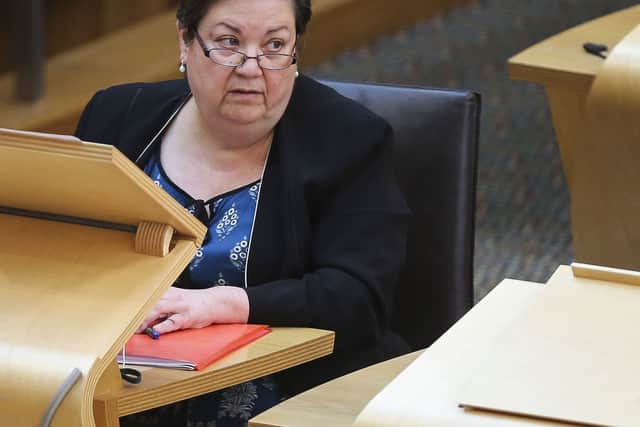
Scottish Labour health spokesperson Jackie Baillie said: “These are the worst cancer statistics on record, with thousands of Scots being failed by the SNP.
“Not a single health board is meeting the government’s 62-day own cancer target – that is shameful. After 10 years and four failed SNP cancer plans, it is clear that this is a government out of ideas and endangering lives.”
Liberal Democrat Scottish affairs spokesperson Christine Jardine said: “This SNP/Green Government have let down everyone in Scotland who has ever had to hear a cancer diagnosis or lost someone they love. Humza Yousaf owes us all an apology and has serious questions to answer about how he has allowed this to happen.”
Cancer charities also called for action, with Cancer Research UK’s public affairs manager in Scotland, Dr Sorcha Hume, saying it is “unacceptable that more than one in four people are waiting too long to be diagnosed and start cancer treatment”.
She added: “The top priority for the First Minister has to be publishing the new cancer strategy and ensuring that it is implemented quickly.”
Macmillan Cancer Support warned the “crisis is far from over”.
The charity’s Scotland head, Janice Preston, said: “Today’s figures show that things are getting worse and will be felt for years to come.
“It’s clear to see that every health board in Scotland is feeling the impact, from a struggling workforce, due to exhaustion and staff reaching retirement age, the consequence is people with cancer across the country are facing long waiting times.
“There’s no overall quick solution, but we need and deserve a system in Scotland that treats patients quicker and tackles the current delays.”
Meanwhile, the Public Health Scotland figures show performance on a second cancer treatment target also fell.
The 31-day standard stipulates 95% of all patients should wait no more than 31 days from decision to treat to first cancer treatment.
In the last quarter of 2022 94.1% of patients started treatment within the 31 days, a slight drop on 94.4% in the previous quarter.
The number of patients referred within the 31-day standard increased 4.7% between quarter three and quarter four of 2022 to 6,757.
NHS Greater Glasgow and Clyde, NHS Lothian, NHS Fife, NHS Grampian, NHS Highland and NHS Lanarkshire all failed to meet this target, with the rest of Scotland’s health boards hitting it.
Mr Matheson said: “Today’s figures show that our NHS, despite the impact of the pandemic, is treating more cancer patients on 31 and 62 day pathways than ever before.
“More than 900 additional patients were treated in this quarter alone, compared to the same time pre-pandemic. Despite this increase in numbers, the median wait from decision to treat to first treatment is five days.
“Cancer remains a national priority for the NHS and Scottish Government which is why we will publish a new 10-year strategy in spring 2023.
“We are committed to finding cancer earlier and faster which is why we have established a network of urology diagnostic hubs, are investing in optimal cancer diagnostic pathways and activating additional rapid cancer diagnostic services across Scotland.”