
Chalet on Norfolk Broads made from old helter-skelter receives listed status
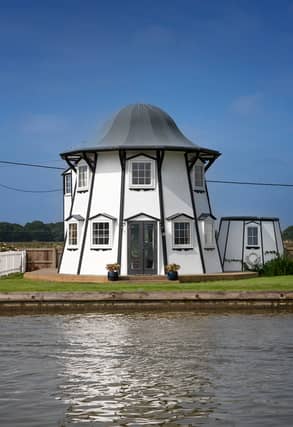

A former end-of-the-pier helter-skelter that was converted into a holiday cottage is among five “characterful” waterside chalets on the Norfolk Broads to receive listed status.
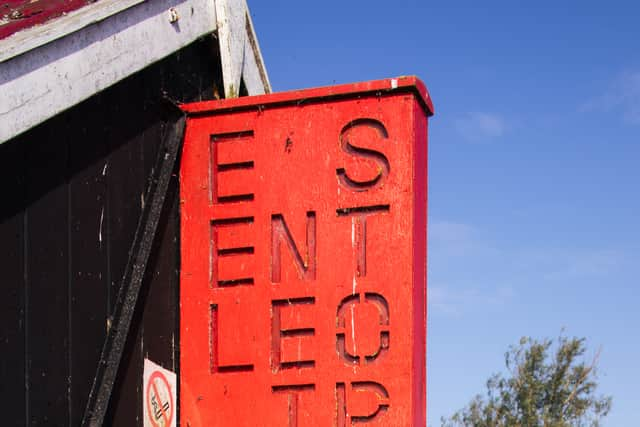
The fairground ride started life on Britannia Pier in Great Yarmouth and, following a fire in 1909, its remains were transported to Potter Heigham.
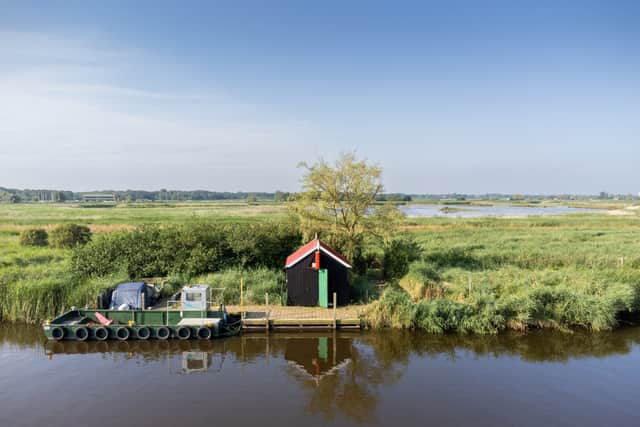
The very top of the structure was used as an outbuilding at the waterside chalet.
It has been listed at Grade II by the Department for Culture, Media and Sport on the advice of Historic England, alongside four other waterside chalets.
These include prefabricated structures by the company who created Scott’s Antarctic expedition huts, and one of the only remaining eel setts – a place for eel catchers to put out nets at night – in England.
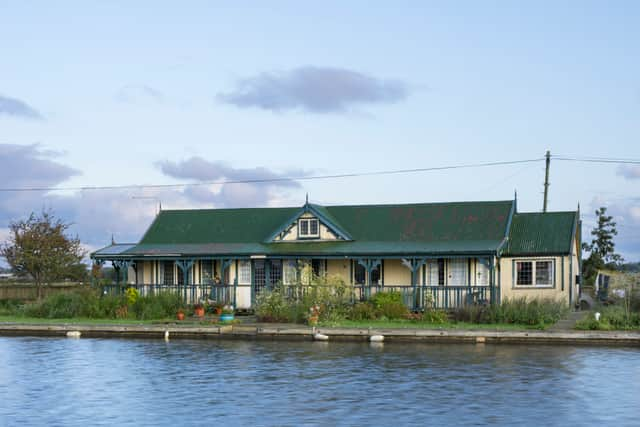
The Grade II listed waterside buildings – Dutch Tutch, Tower View, The Eel Sett and The Holt in Potter Heigham, and Staithcote in Wroxham – are within the Broads National Park.
Waterside chalets were initially built in the late 19th and early 20th centuries for an expanding holiday market consisting mainly of affluent city dwellers who sought refuge from urban life within the wild and undeveloped Broads.
Pleasure boating had become increasingly popular by this time, and the Broads also offered the opportunity to fish and shoot.
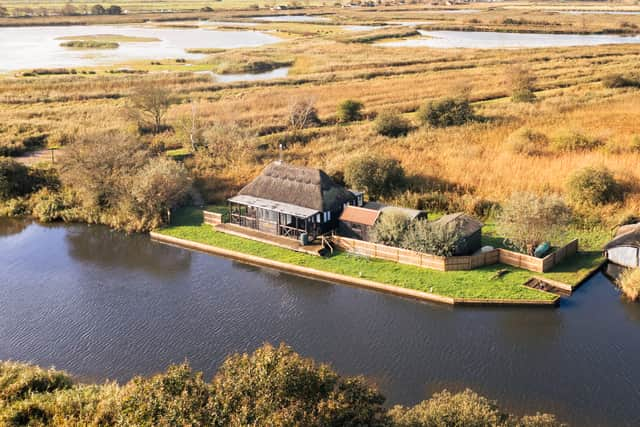
Local manufacturers developed their own vernacular style of simple, lightweight timber buildings, suited both to the uncertain subsoils of the wetlands and the need to transport materials which, in many cases, was by water rather than road.
Kayleigh Judson, Broads Authority heritage planning officer, said: “We are delighted that these well-loved Broads chalets have met the national criteria for listing due to their historic and architectural significance.
“Each one tells its own unique story about bygone eras in the Broads.
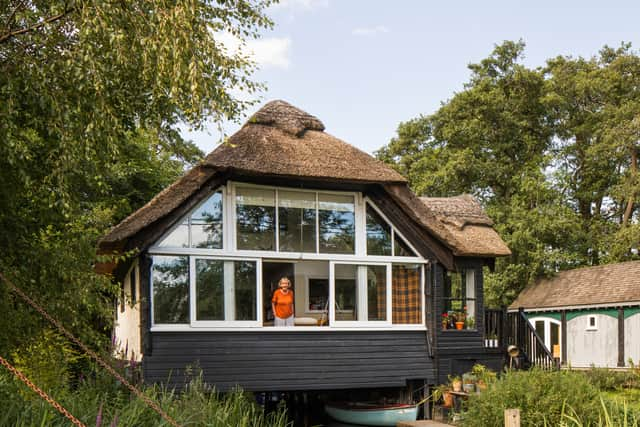
“The new listings will help to preserve their special appearance by giving them the protection they deserve, so that their unique characteristics can be appreciated for generations to come.”
The bungalow Tower View is thought to have been erected in the first decade of the 20th century.
It was created using prefabricated materials produced by Boulton & Paul Limited, a Norwich-based firm which created the huts for Scott’s Antarctic expedition.
The Eel Sett at Candle Dyke, a remote location in the parish of Potter Heigham, is thought to be the last eel sett in England.
The tradition of eel catching in the Broads dates to the medieval period and there were many setts along the rivers in Norfolk, but numbers dramatically started to dwindle in the 20th century.
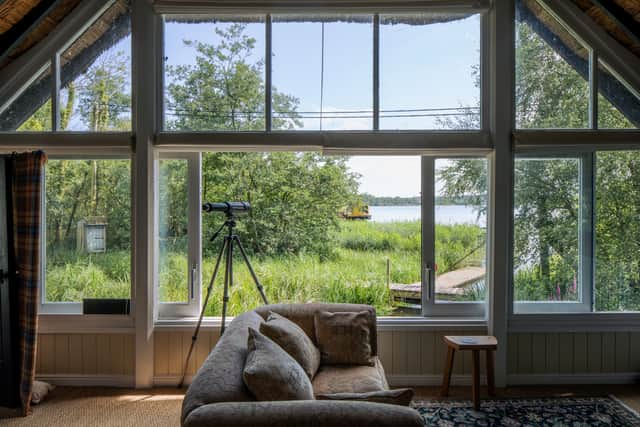
The Holt and Boathouse in Potter Heigham was built in the early 20th century for a Mr W Boning who had a furnishing business in Great Yarmouth.
Much of the furniture present in The Holt is originally from Mr Boning’s shop.