
Conservationists turn back clock to graze livestock
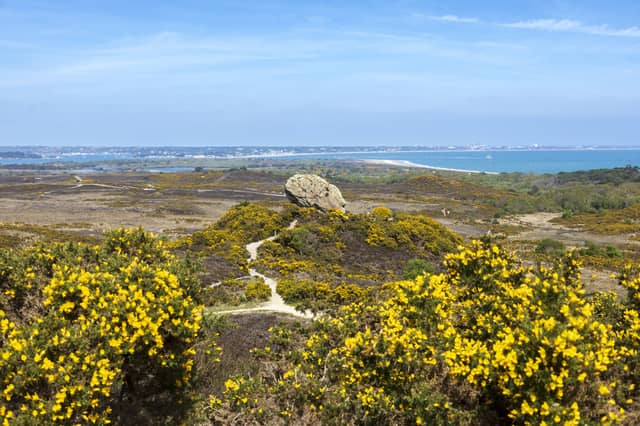

Conservationists are turning back the clock thousands of years to graze livestock on precious heathland – just like their extinct ancestors.
The Purbeck Heaths in Dorset is a rich mosaic of lowland wet and dry heath, valley mires, acid grassland and woodland, along with coastal sand dunes, lakes and saltmarsh.
It is already one of the most biodiverse places in the UK and is home to thousands of species of wildlife, including all six native reptiles.
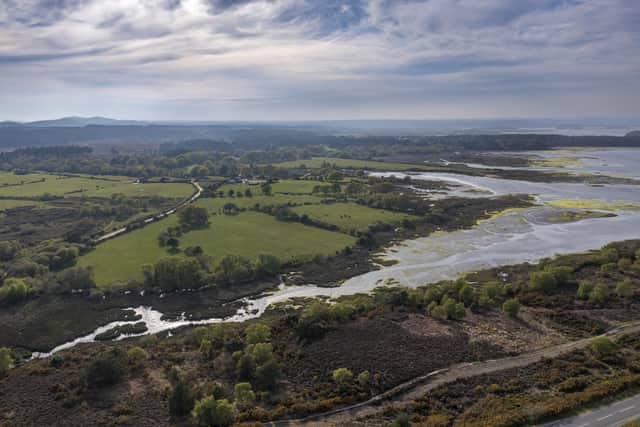
They plan on allowing the livestock to roam freely alongside deer on around half of the 3,400-hectare habitat.
Here they can browse and turn over the soil in ways that are already benefiting wildlife from birds such as nightjars to tiny plants such as yellow centaury, while the fence removal has made the area even more accessible to people.
David Brown, National Trust lead ecologist for Purbeck, said: “Over large swathes of open grassland and heath, these domestic grazers are now mimicking their wild ancestors, who would have shaped habitats in the past.
“We can’t bring back aurochs, the native ancestors of our domestic cattle, but we can use our 200 red Devon cattle to graze and behave in equivalent ways.
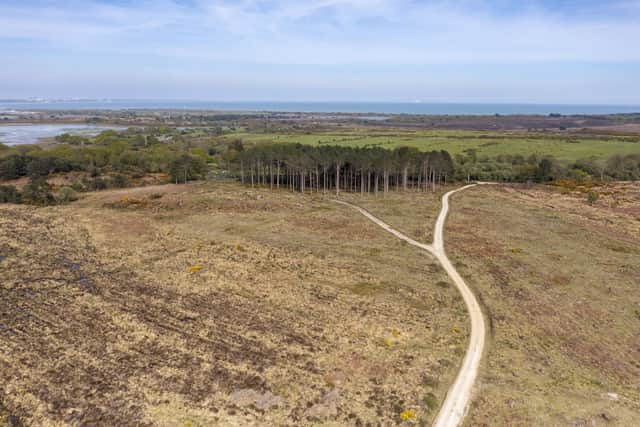
“We’re also discovering that by letting them get on with their own thing as much as possible, our grazing animals explore new habitats and discover different types of vegetation to eat – all of which help create a more dynamic and complex ecosystem.”
In a natural environment, large herbivores also play a crucial role in helping plants and less mobile insect species move around the landscape – carrying seeds and larvae on their fur and hooves, or in their dung.
By giving cattle, ponies and pigs this huge landscape to wander around, they are helping rare and threatened species such as Purbeck mason wasps and heath bee-flies disperse and build stronger populations.
Peter Robertson, RSPB senior site manager, said: “It’s early days but we are already seeing some surprising changes.
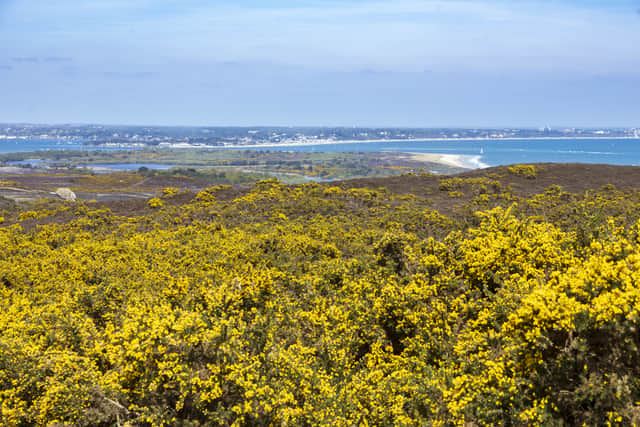
“What has come as more of a surprise is how they have created new ponds by wallowing in water-logged areas and have opened up areas of saltmarsh by foraging for shellfish.”
Last year Studland Heath saw the highest numbers of silver-studded blue butterflies recorded in 45 years of monitoring.
Rare plants are also thriving in greater numbers, including marsh gentians, great sundews, pale dog violets and yellow centaury.
Last year, ospreys bred on the edge of the reserve for the first time in 200 years and the UK’s largest native bird, the white-tailed eagle, is also now regularly seen.