
Coven leader who performs spells for protection and healing insists witches are ‘normal people’ living ‘magical lives’
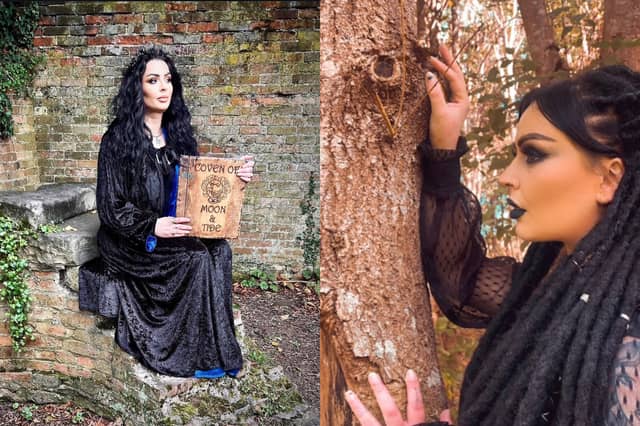

A pagan high priestess who leads a coven of witches, performing rituals and casting spells for protection, healing and “justice”, has said they are “normal people that live magical lives”.
Alexia Costadina, 38, from Birmingham, has been performing rituals and worshipping pagan deities, including Zeus and the “Ancient Horned One”, for more than 20 years.
Now a high priestess leading a coven of 13 witches, aged 27 to their mid-60s, Alexia said she is “very proud” of her faith.

As a key organiser for the annual Festival for Pagans and Witches, which had 3,000 attendees in May, Alexia said she wants to combat misinformation and stigma by showing that being a witch is about more than just “pointed hats and Halloween”.
“We’re pagans and witches, but we’re also humans in society,” Alexia, a charity worker, told PA Real Life.
“We’re not that different, we just wear our pentagrams, carry ceremonial tools and have an altar at home, just like people might have pictures of the Last Supper on their wall.
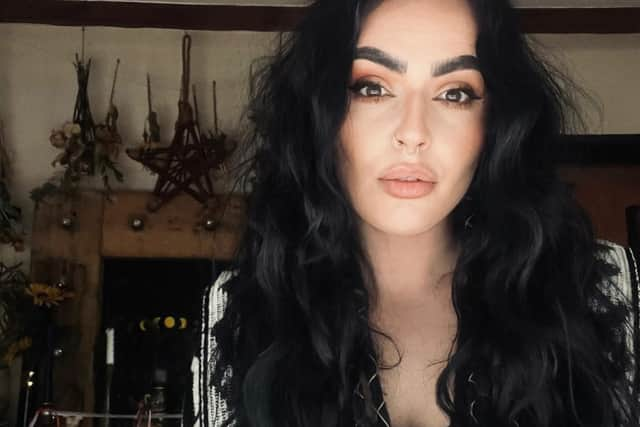
Growing up, Alexia said she would “throw the biggest hissy fit” without her “daily fix” of witch-themed media, like the 1998 film Practical Magic – which she said depicted witchcraft “beautifully”.
She said she was raised as a Greek Orthodox Christian but started drifting away from the church in her late teens.
“I was a dancer at the time, and I would spend my spare time in nature,” she said.
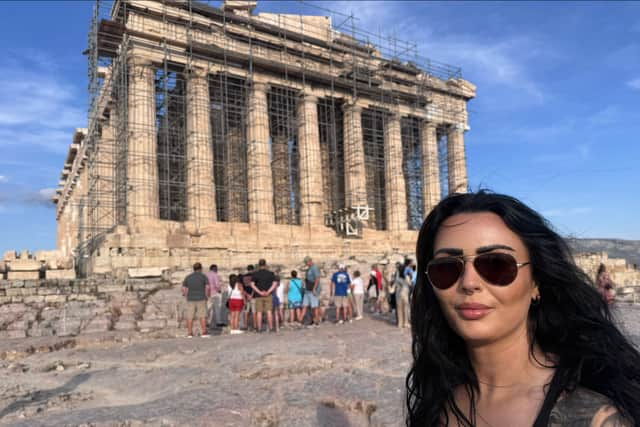
She said paganism was less “trendy” and “still a bit taboo” when she started learning about it 20 years ago.
“I’ve been lucky enough to witness a change in the attitude to a certain extent over the past two decades,” she said.
“The books that I read were found in little bookshops and occultist stores, rather than all being readily available online.

Alexia “didn’t come out of the broom closet for a very long time” but is now “very proud” of who she is.
“I became very public about it when it still wasn’t the easiest thing to be public about,” she added.
“But I was very lucky in that I was met with a lot of support.”

Alexia said the group is a “traditional British coven” which aims to replicate practices that would have been common before the rise of Christianity.
They worship multiple deities, including the “Ancient Horned One” and the “Triple Goddess”, and believe in “reincarnation with the main goal of ascension”.
She explained: “We believe that you need to be the warlord and the victim to learn every single lesson that there is in life, and only then will you ascend with true knowledge and power.”
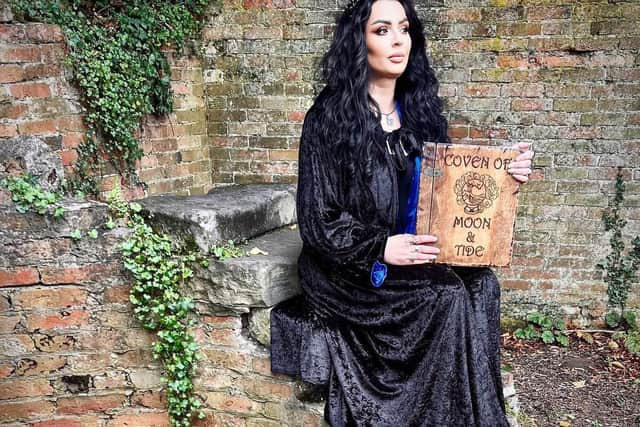
“We will celebrate the turning of the season, and we will work to praise and invocate the deities that we work with, the ancestors that walked before us and the spirits of the land,” Alexia explained.
She said they do not share specifics about their rituals because they are a “closed coven”, but said they always involve an altar and fire, and some combination of ceremonial daggers, masks, cloaks, crystals and other sacred items.
She added she has never “walked the crooked path” of using blood in rituals but has “no doubt” that some people do it.

Alexia added: “Prior to that, we had to try and find public spaces and hope people won’t get freaked out by 13 women in a circle with hoods up, because that could seem very weird.”
The coven also meets to cast group spells, to “send healing energy” to people suffering across the world, protect the coven or “ignite the fire within to bring our passions alive”.
“I get a lot of people coming to me for divination and readings, and for help cutting ties when they can’t seem to walk away from their relationships,” Alexia said.
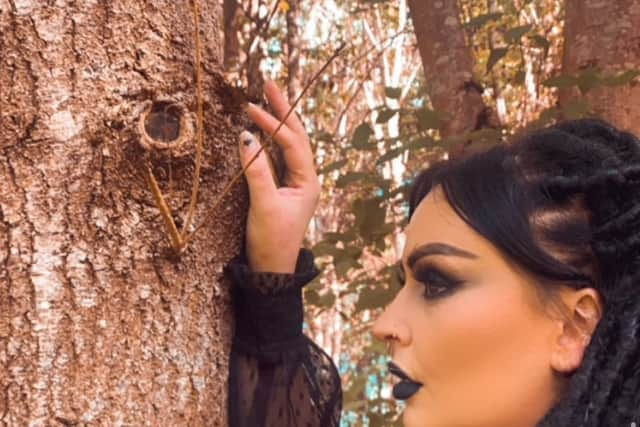
“We get crazy requests, so it’s about identifying what can be helped with witchcraft and what is just a bit loony.”
As high priestess, Alexia said she leads her coven, ensuring the wellbeing of its members and, along with her senior members, setting a “curriculum” of study for members to progress to the “inner circle”.
Once in the inner circle, she said members train to be bards, astrologers, “elemental guardians” embodying elements like water or fire, and more.

“It’s quite – I wouldn’t say demanding, but it’s definitely part of your life.”
Alexia said social media has been a “double-edged sword” for paganism because it provides access to knowledge but also gives value to “views over correct information”.
“Because we believe in witchcraft, we believe it has the potential to go wrong and can cause harm,” she explained.
“A lot of people just do it because it’s on trend, instead of really working at the practice – and with that comes great risk.”
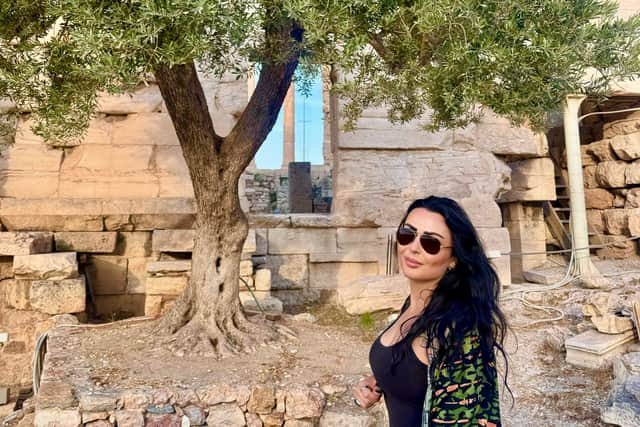
She said the non-profit event raised £30,000 for charities including the Warwickshire Wildlife Trust, Pagan Aid and Suki’s Canine Rescue Crew.
Alexia said she views the festival as a way to “counteract the misinformation” on social media.
“We’re offering a safe space where people can start to learn the basics and create friendships,” she said.
“It’s something I would have grabbed with both bands at the beginning of my journey, but it just wasn’t readily available.”
Alexia said beginners should research paganism and use social media to find local pagan communities and festivals.
“We aren’t the Wicked Witch of the West. If people genuinely want to learn, there are so many of us around the country that are willing to mentor,” she said.
“You’ve just got to show you’re not a five-minute TikTok witch to get it.”