
Covid Bill backed by Holyrood committee after convener uses casting vote

Legislation that aims to make permanent some of the emergency powers introduced during the Covid pandemic has been backed by a Holyrood committee – but only after the convener used her casting vote.
Three SNP members on the Scottish Parliament’s Covid-19 Recovery Committee all voted to back the general principles of the Bill.
But with the Scottish Conservatives having branded it a “blatant and unnecessary power grab” their two MPS voted against it, along with Labour MSP Alex Rowley.
The committee only agreed to give its backing to the Coronavirus (Recovery and Reform) (Scotland) Bill when convener Siobhian Brown used her casting vote.
The legislation, which was introduced by the Scottish Government in January of this year, set out to make changes in 30 specific legislative areas which emergency coronavirus powers had already been applied to.
While the committee narrowly agreed to back the Bill, MSPs called on the Scottish Government to change the legislation to “ensure that Parliament’s ability to hold Scottish Ministers to account in a public health emergency is sufficiently robust”.
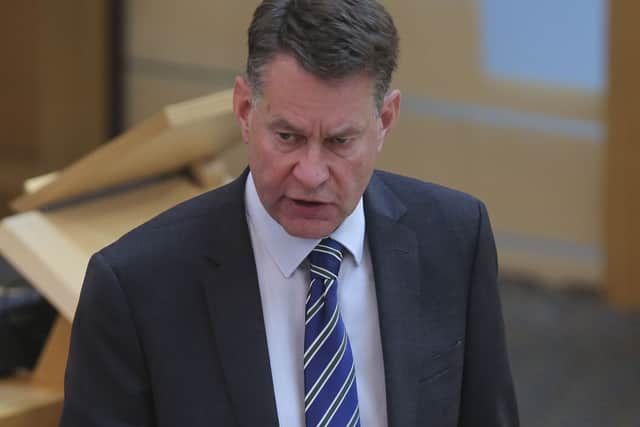
Mr Fraser said: “The SNP’s plans for this power-grab Bill have already faced condemnation from all sides – and have only been pushed through the Covid Recovery Committee on the SNP convener’s casting vote.
“Over 80% of respondents to the Government’s survey opposed keeping powers to enforce lockdowns, bring in travel restrictions and close schools.
“But SNP MSPs have ignored the overwhelming opposition of the public to press ahead with bringing these extreme powers into law.”
The Tory added: “This is a blatant and unnecessary power grab – and anyone who wants a fair, accountable and democratic government should have grave concerns over these proposals.”
Mr Fraser said: “The SNP Government have said they’ll consider the committee’s concerns. I urge them to scrap these plans altogether and row back on this shocking overreach.”
Ms Brown, however, insisted if the legislation can be improved in key areas it could help provide for a “more resilient future”.
The committee wants the Bill to be changed so there is a list of factors ministers must take into account when considering if any future threat is “serious and imminent”. These include the severity of the disease in any future outbreaks, how many people are at risk, and the availability of tests, treatments and vaccines, as well as the possible impact on critical services.
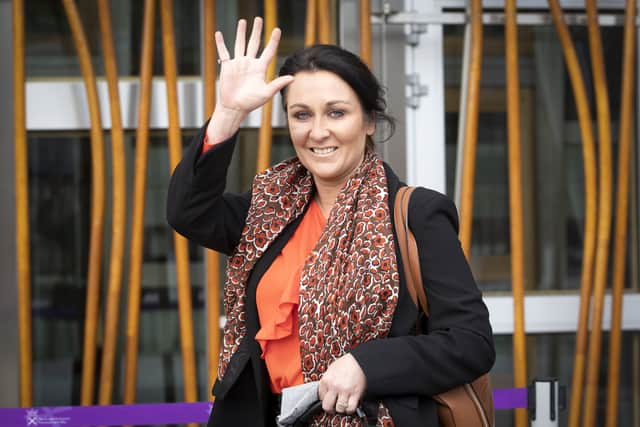
Ms Brown said: “The pandemic offered us first hand an opportunity to stress test our preparedness for and resilience against public health threats. We’ve seen the challenges Scottish Ministers faced in responding to the emerging and evolving situation – and also Parliament’s challenges in holding ministers to account. Now we have the time to take stock.”
She insisted it was “imperative that we learn lessons” from the Covid crisis, and “have legislation in place that is suitably flexible and proportionate to support an effective response to future threats”.
The convener added: “By strengthening the provisions within this Bill and ensuring that improvements are made to key areas, we set ourselves up for a more resilient future.”