
Davey mucks out and handles calves in latest stunt over farm inheritance tax
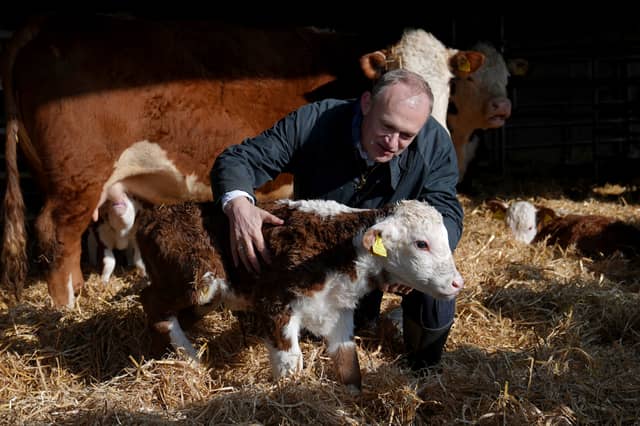

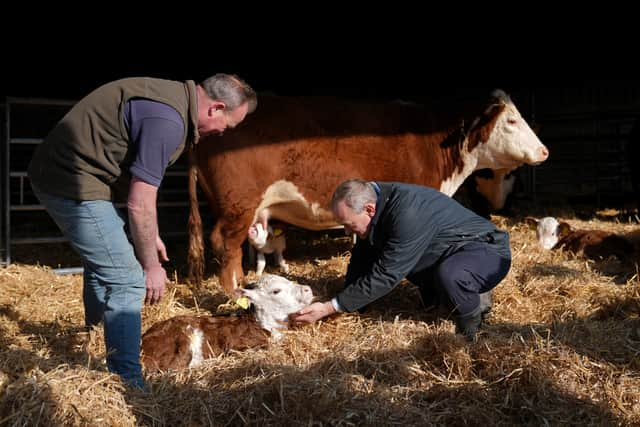
Sir Ed Davey mucked out at a farmyard and handled newborn calves in his latest political stunt over the Government’s planned changes to agricultural inheritance tax.
The party leader met North Norfolk MP Steff Aquarone and dairy farmers in North Walsham to discuss the proposed changes, which will see land and businesses worth more than £1 million face a 20% levy.
The Liberal Democrats have said the Government policy, which essentially scraps an exemption that meant no tax was paid to pass down family farms, amounts to “throwing farmers to the wolves”.
The visit came after agricultural leaders said they had been left furious following a meeting with the Treasury on Tuesday morning as the Government faced down their calls to rethink the tax.
Ministers have insisted the changes, which are due to come into force in April 2026, will not be reversed as raising revenue is required to stabilise the UK’s finances and fix creaking public services.
Opposition parties including the Lib Dems, who made gains in rural areas at last year’s general election, have demanded the Government abandon what they say is a “cruel” policy.
Following the meeting on Tuesday morning, the party’s environment spokesman Tim Farron said: “This Government is throwing farmers to the wolves, completely disregarding the importance of farming communities to our economy and environment.

A Government spokesperson said: “We regularly meet representatives of the farming industry to listen to their views, but strongly believe this is a fair and balanced approach which helps fix the public services we all rely on.
“Our reforms to Agricultural and Business Property Relief will mean three quarters of estates will continue to pay no inheritance tax at all, while the remaining quarter will pay half the inheritance tax that most people pay, and payments can be spread over 10 years, interest-free.
“We are also investing £5 billion into farming over the next two years, the largest amount for sustainable food production in our country’s history, and are going further with reforms to boost profits for farmers by backing British produce and reforming planning rules on farms to support food production.”