
Dawn services remember war dead on Anzac Day
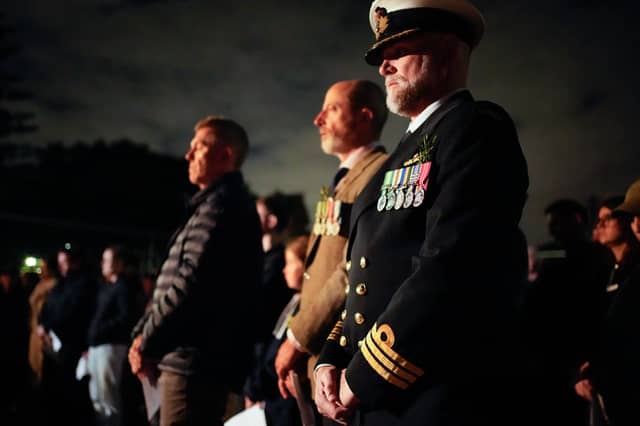

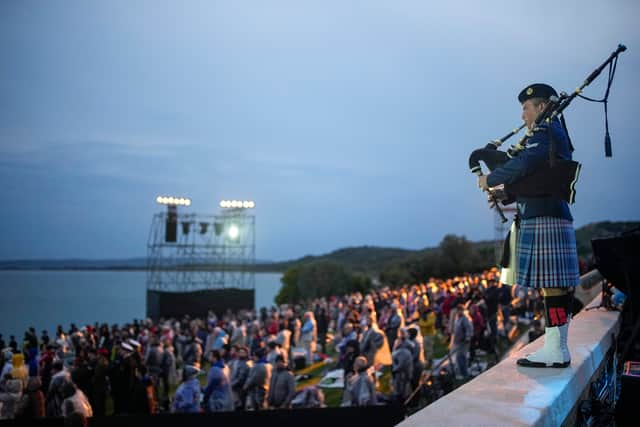
Australians and New Zealanders gathered at dawn services and street marches at home and further afield to commemorate war dead on Anzac Day.
The two countries mark Anzac Day on April 25 each year – the date in 1915 when Australia and New Zealand Army Corps landed on the beaches of Gallipoli in north west Turkey, the start of an ill-fated First World War campaign.
Prime minister Anthony Albanese spoke to more than 30,000 people who gathered at the Australian War Memorial in the capital Canberra for the first Anzac Day since his government was elected almost a year ago.
His government chose the eve of Anzac Day to release a review of the nation’s defence force which warned China’s growing military strength and assertiveness meant Australia’s geographic isolation did not provide the protection from global conflict that it once did.
The report recommended increased Australian defence spending and a rapid embrace of missile technology to strike targets at longer ranges.
While veterans of the two world wars dominated Anzac Day services and marches for decades, their descendants and unrelated younger generations have taken their place, defying an expectation that the tradition might die with the veterans.
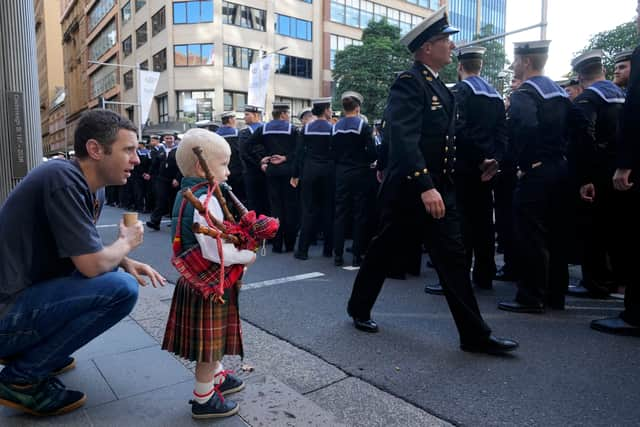
In Sydney, Glenda Rixon wore the medals of her late father Henry ‘Harry’ Rixon, a Korean War infantryman, and was touched that the 70th anniversary of the Korean armistice was noted in Martin Place where dawn services have been held since 1927.
“Usually they don’t say anything – it’s like it’s the forgotten war,” she said.
“I’m really proud of my father. He passed away eight years ago. It’s a special day. We used to always watch him march,” she added.
As well as 70 years since Australia’s involvement in the Korean War ended, this year’s ceremonies also commemorated 50 years since the last Australian forces withdrew from the Vietnam War.
Dawn services and marches were also held across New Zealand and in northern France.