
Deaf rugby player, 18, hopes to be ‘role model’ for deaf children and prove they are ‘capable of doing anything’
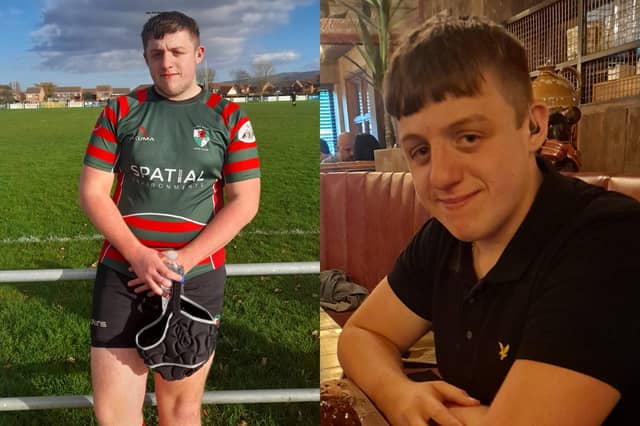

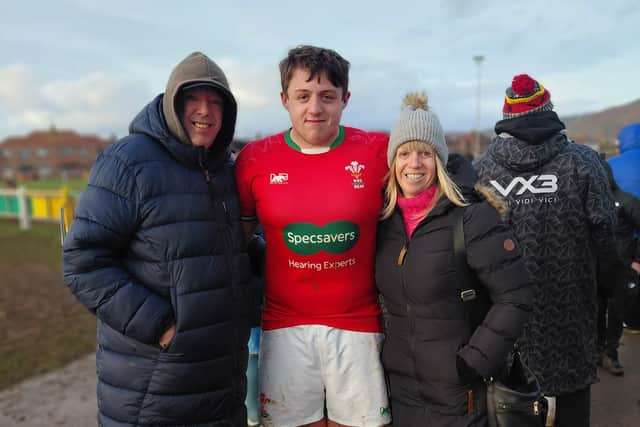
An 18-year-old deaf rugby player hopes to be a “role model for deaf children” and is determined to prove hard-of-hearing players “are capable of doing anything other athletes can do”.
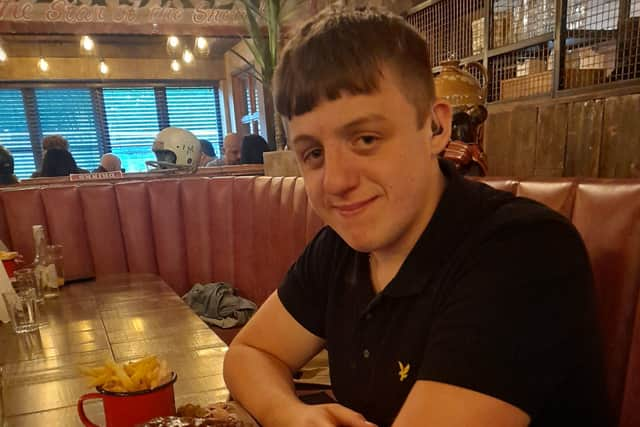
Rhys Owens, from Wrexham, had fluid in his ears at the age of seven, causing temporary hearing loss, and although he underwent surgery, it did not improve his hearing, so he has worn hearing aids ever since.
Growing up in mainstream education as partially deaf and never learning sign-language, he faced challenges in noisy classrooms but found his purpose through rugby.
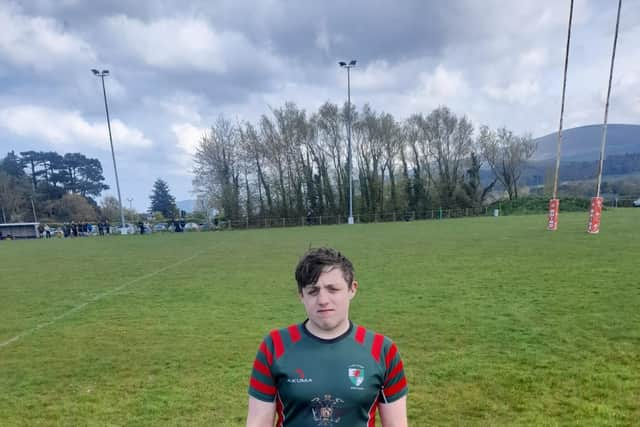
Deaf rugby follows standard World Rugby Union rules, with adaptations such as visual signals from referees and the use of sign-language interpreters to support communication.
Rhys is raising money to help cover the costs of competing at the Deaf Rugby World Cup in Tokyo later this year.
Rhys, who is a criminal justice student at Liverpool John Moores University, told PA Real Life: “I would like to hope I am a role model for deaf children, and I hope any young athletes out there who are deaf do try and research whether their sports have deaf national teams because it has done me nothing but good since signing up.
“Rugby improves so many life skills and will make you feel so much more confident in your playing ability despite your hearing aid.
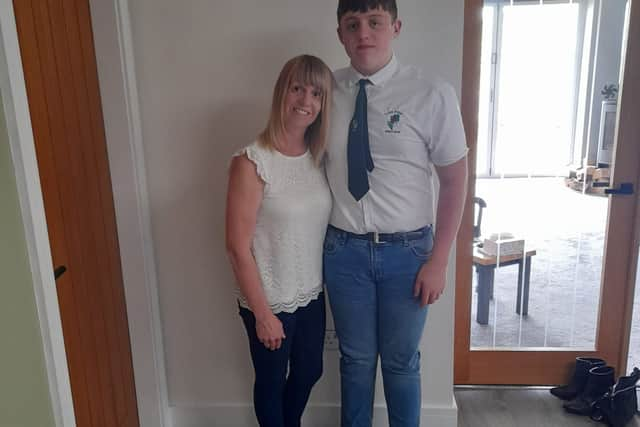
“We are capable of doing anything other athletes can do.”
At the age of seven, Rhys developed glue ear, a condition where the middle part of the ear canal fills with fluid and can cause temporary hearing loss.
He underwent surgery in which grommets – tiny tubes – are inserted into the eardrum to allow air to pass through, keeping the air pressure on either side equal.
During the procedure, the surgeon makes a small hole in the eardrum and inserts the grommet into it.
Grommets usually stay in place for six to 12 months before naturally falling out.
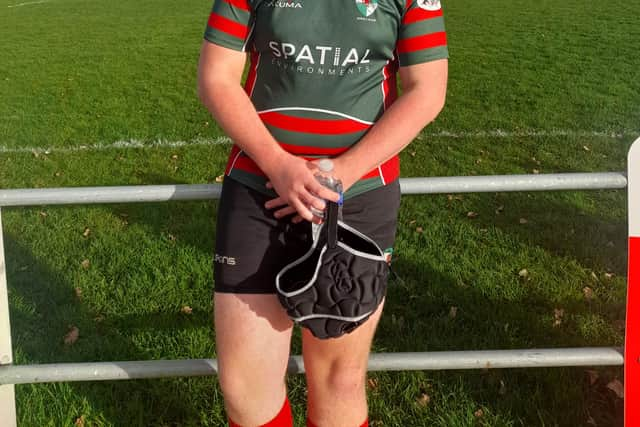
Growing up, he attended a mainstream school and said that if “teachers were quiet” or “classrooms were loud”, it was “hard to focus”.
He added: “Teachers got used to speaking louder and keeping me sitting towards the front of the classroom.”
Rhys has always used spoken language rather than signing to communicate.
At the age of eight, Rhys wanted to take up a sport and decided to try rugby, having watched it for his “entire life”, including seeing his first Wales game in Cardiff at the age of two.
“My family’s love for rugby definitely was one factor in my choice but rugby being an all-inclusive sport where anyone is welcomed was the other factor that drew me to rugby,” he explained.

His hearing remains the same since first having his hearing aid.
However, after undergoing two operations for a perforated eardrum in 2019, he was unable to play again until 2020, just before the Covid-19 pandemic.
In 2022, at the age of 15, he was able to rejoin the club once lockdown restrictions had eased, and a year later he played in the front row, further developing his skills.
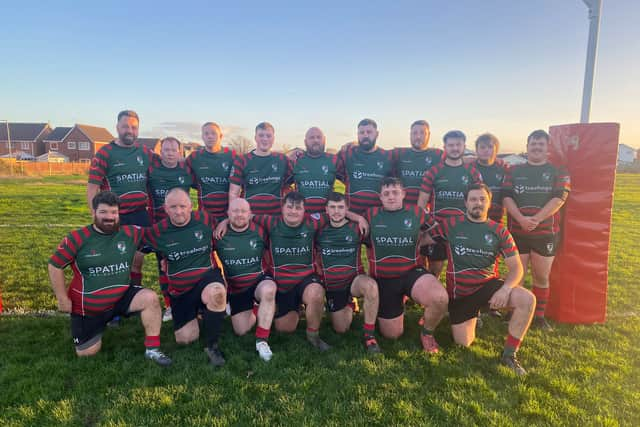
The following year, he moved to the second row and now plays in the senior team.
“I was really excited and curious about the entire thing. I was also really confused on how I never heard of it before,” he said.
Deaf rugby has accommodations such as visual cues, flag-carrying referees and British Sign Language interpreters on the sideline.
Participants must have a minimum average hearing loss of 50dB across both ears to compete in official international matches.
In November 2025, he secured a place on the team after “impressing the coaches”.
“It felt great to be picked and I felt really honoured to represent my country and my club,” Rhys explained.
“It felt nice meeting people similar to me on the team.
“Also for the deaf team, there is more understanding on the hearing side, so all talk is loud and clear.
“Having only played in one game for the deaf team, it is hard to compare (to mainstream rugby), however, from that one game, the atmosphere was very lively and the spectators made a lot of noise.”

He said: “It would mean the world to me if I could play for Wales in Japan. As a young lad I would dream of playing for Wales and now that I have this opportunity I would be over the moon and would not let anyone down.
“I have been putting in hard work in the gym and on the field preparing for it.
“My family would be extremely proud and emotional, and would definitely try to find ways to watch the games.”
To donate to Rhys’s fundraiser, visit: www.gofundme.com/f/my-journey-in-the-2026-deaf-rugby-world-cup.