
Delayed discharges rise by 8% in Scottish hospitals
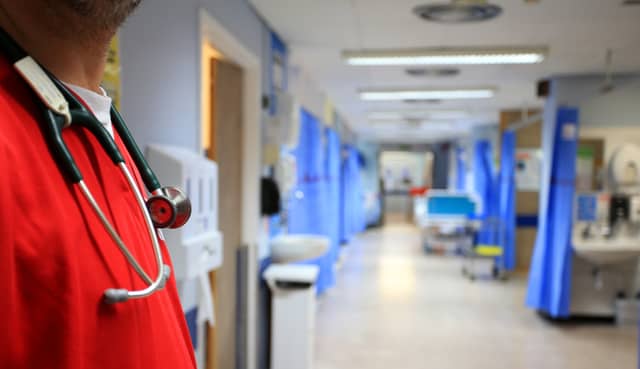

The average number of hospital beds occupied per day due to delayed discharges in Scotland increased by 8% in July, the latest figures show.
Data from Public Health Scotland revealed that 1,806 beds were occupied each day by people who were clinically well enough to leave hospital.
This is a rise of 8% when compared with June, which saw a daily average of 1,671.
The number of patients who faced delays also saw an increase, with 1,828 people falling under this measurement – 157 more than the 1,671 delayed in June.
There were 55,992 days spent in hospital by people whose discharge was delayed – up 32% when compared with June 2021.
Patients delayed in July faced an average wait length of 22 days, a decrease of 4% on the previous month.
Scottish Conservative health spokesman Dr Sandesh Gulhane said: “The sheer scale of the delayed discharge problem is enormous – as these worst-ever figures show – and its crippling impact reverberates throughout our health and social care system.
“Having patients stuck in hospital because there is no place for them in a care home – or available home-care package – is soul-destroying for them. And, recently, we learned, astonishingly, that one patient in Grampian has been waiting more than six years to be discharged.
“But delayed discharge also creates a shortage of hospital beds, which impacts on the horrendous A&E delays and leads to operations being cancelled due to lack of capacity, as well as costing our NHS a fortune.
“Sadly, I can’t see the SNP’s plans for a centralised National Care Service doing anything to smoothe the flow of patients out of hospitals.”
Scottish Liberal Democrat leader Alex Cole-Hamilton said: “The SNP/Green government continues to focus on its tone-deaf bid to break up the UK but the crisis in social care is not going away.
“Month after month we see huge numbers of people waiting to leave hospital who can’t as there is no social care package in place.
“That’s why I’m calling for Humza Yousef to come to Parliament this week to set out a replacement for his failing NHS recovery plan.”
Health Secretary Humza Yousaf said: “We are working with health and social care partnerships to reduce delays in people leaving hospital.
“It is critical that people are cared for in the right setting and that vital hospital beds are there for those who need them. Being at home or in a community setting is in the best interests of anyone who no longer has any clinical need to be in hospital.
“Significant additional funding has been allocated to support social care, including £62 million to enhance care at home capacity; £48 million to increase the hourly rate of pay; £40 million to provide interim care arrangements; and £20 million to enhance multi-disciplinary teams.
“Funding is also being used to rapidly scale up Hospital at Home services, which aim to reduce acute admissions and support timely discharge. A further £3.6 million funding has been made available in the 2022/23 budget to support the further development of Hospital at Home across Scotland.
“We are seeing record numbers of patients delayed under the adults with incapacity legislation. These are patients who, although clinically ready for discharge, cannot be legally discharged without a court appointed guardian being in place.
“We employed an experienced senior mental health officer to work with partnerships to identify the barriers within this legal process at local levels and will be turning this in to an action plan to drive improvement.”