
Dementia specialist whose grandmother and father died from illness has ‘dread’ for own future as mother also diagnosed
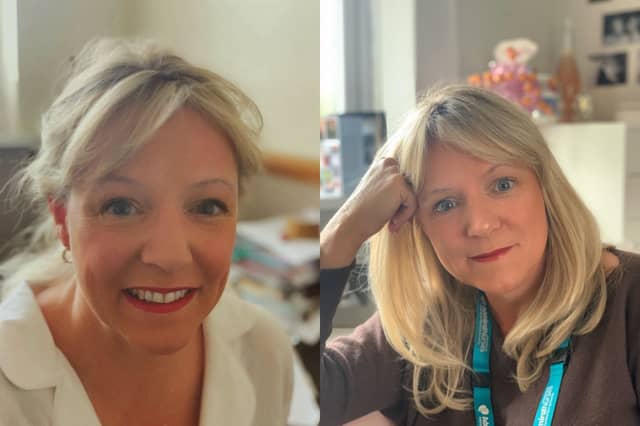

A dementia specialist whose grandmother and father died from the illness says she is “every so often” filled with “dread” for her own future after her mother was also recently diagnosed.
Helen McDavitt, 52, who lives in Hassocks, West Sussex, with her husband Paul, also 52, experienced her first brush with dementia in the 1990s when her grandmother, Barbara McDowell, started showing symptoms – becoming “angry”, “paranoid” and “vulnerable”, before she died from Alzheimer’s in 1997.
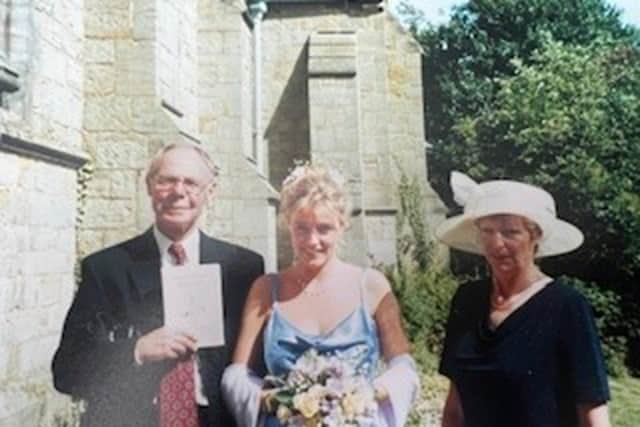
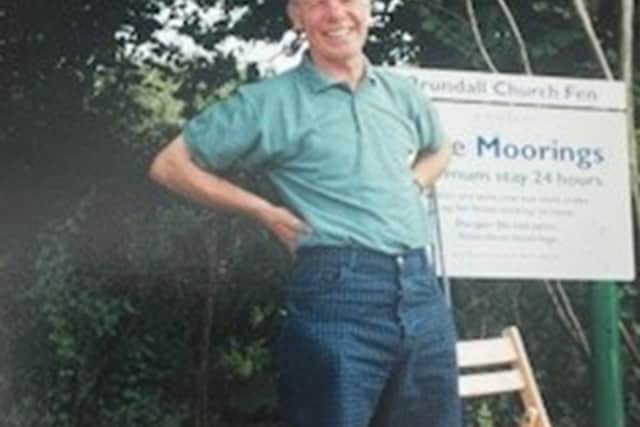
Around 10 years later, Helen’s father, Keith Sellers, also started to exhibit changes to his personality, becoming “withdrawn” and “saying the odd weird thing”, but Helen grew increasingly concerned when he forgot how to fill up his car with petrol.
While Keith did not receive a formal diagnosis with dementia, his health deteriorated and he died in 2014 at the age of 70 from the illness.
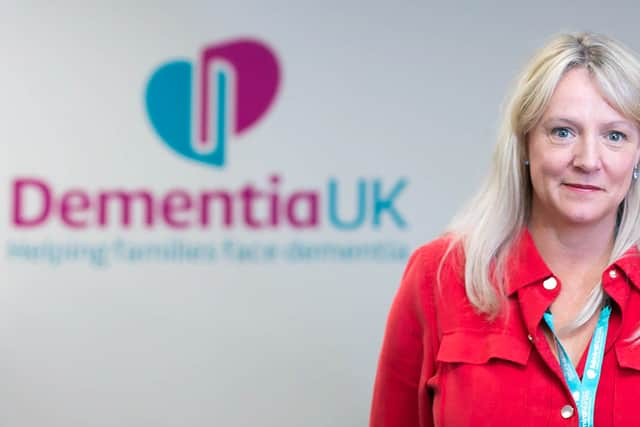
Determined to “make something good out of something really bad”, Helen, who was already a qualified nurse, turned her attention towards dementia care – and she now works as a dementia specialist Admiral Nurse at Dementia UK, supporting the whole family through the illness following her own experience.
“Dementia is so complex and so different, it affects absolutely everybody and it can shatter families,” Helen told PA Real Life.
“When you have it in your family, it does become something you fear for yourself.
“I’m still going through the menopause and when you have a symptom that is quite common and can be misdiagnosed, you think it’s actually the start of dementia.
Helen’s family first saw the symptoms of dementia when her grandmother, Barbara, displayed changes in her personality in her early 60s.
“I went travelling for nine months in 1992 and when I came back, she’d completely changed,” Helen said, adding that she was in her 20s at the time.
“She started doing things like putting a kettle on the hob when it was a plug-in one.
“She used to keep a diary and we noticed it was all over the place, all scrambled and full of weird writing.
Around this time, Helen was training to be a nurse and looking after her grandmother inspired her to focus on elderly care and hospice work.
Over the next few years, Helen said her grandmother started to become “cross” and “paranoid”, and she was placed in a care home for additional support.
“She was always really outgoing, bubbly and sensitive and she just became quite angry,” she said.
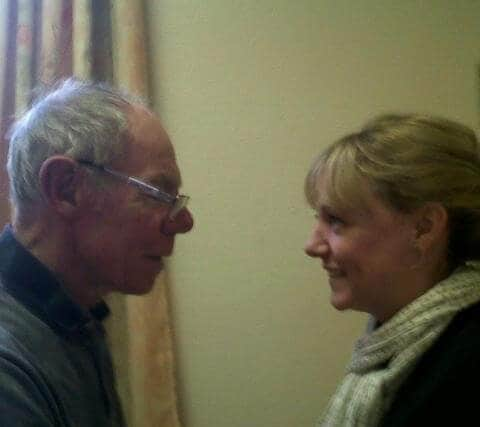
Barbara died in 1997 at the age of 69 from Alzheimer’s, a specific type of dementia.
Around 10 years later in 2007, Helen started to notice concerning symptoms in her father, Keith, who was in his early 60s at the time.
“We started to notice subtle changes in his personality, he was becoming withdrawn, saying the odd weird thing,” she said.
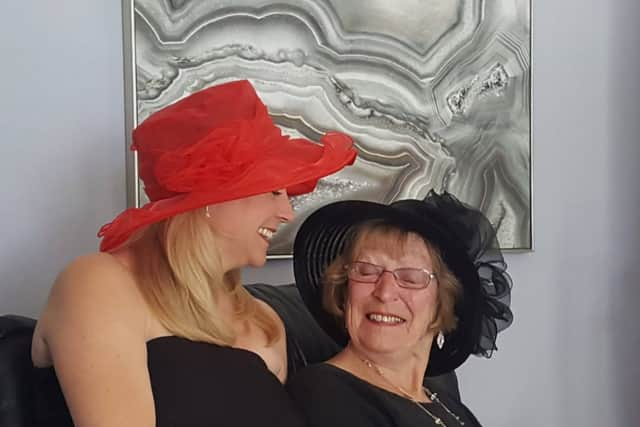
After Keith retired, he started taking shifts as a taxi driver but one day, he forgot how to fill the car up with petrol.
“He came home and said ‘Babe, I’ve forgotten how to fill up with petrol, can you help me?'” Helen said.
“He just looked ashen.”
“We knew then what to expect from his mum, they were quite similar in their personalities and I knew it was going to be really tricky,” she said.
“It got difficult really quickly, he became really combative, really angry and cross.
“He could get verbally aggressive and sometimes he would throw things.”
Around this time, Helen said she was “on a mission” to get into dementia care, having completed her training as a nurse.
She started a research role in 2013 looking at improving the diagnosis pathways of people displaying symptoms of the illness.
“My dad never got a formal diagnosis so this was a role I absolutely loved, looking into research about how people could get accurately diagnosed,” she said.
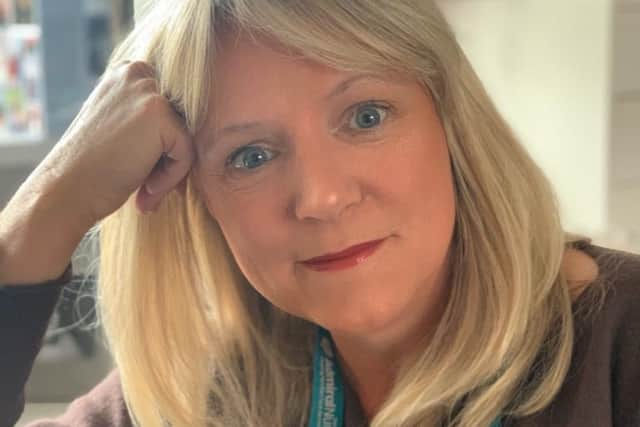
“I just felt like I finally had a chance to make something good out of something really bad,” she said.
“Admiral Nurses are there for the whole family and they help the family cope.
“It was something we never had as a family, we didn’t know what we were doing or who to turn to and my personal experience does add another layer to it.”
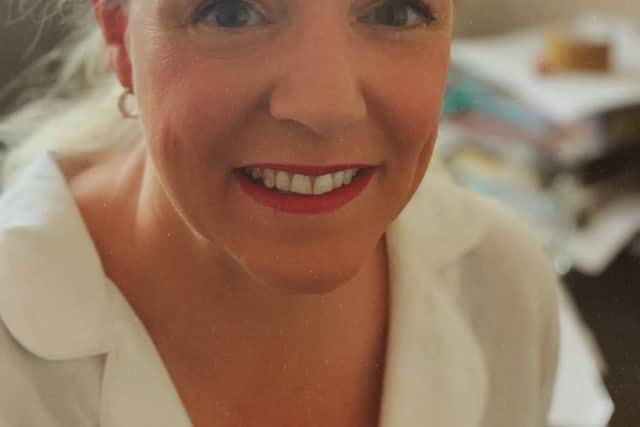
A few months later in March 2024, Helen’s mother received a diagnosis for vascular dementia at the age 78, with Helen saying her symptoms are “less acute” than those of her father’s and grandmother’s.
“It’s manifested itself in a totally different way which is the unusual thing about dementia, it’s a different beast each time,” Helen said.
With the prevalence of dementia in her family, Helen said she thinks about the possibility of having the illness too.
“It’s your biggest fear when you’ve seen it,” she said.
“I can only hope my family have an Admiral Nurse to support them.”
For advice or support on living with dementia, contact Dementia UK’s Admiral Nurse Dementia Helpline on 0800 888 6678 or email [email protected].