
Desperation and exhaustion in North Carolina days after Hurricane Helene deluge
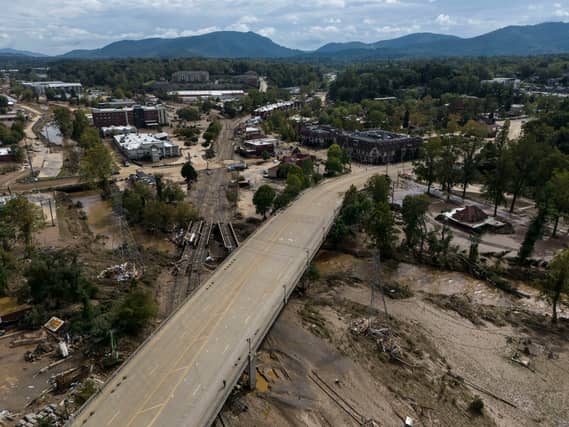

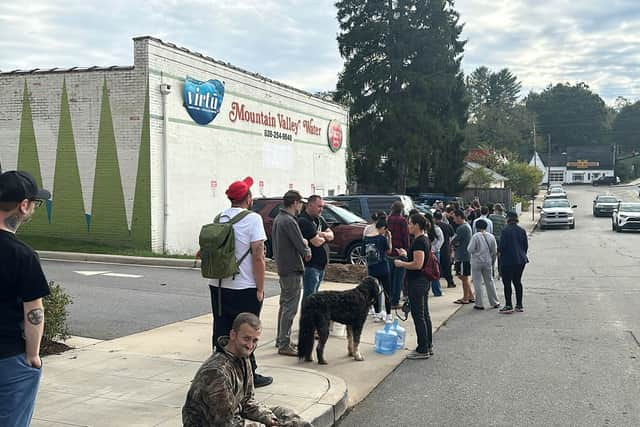
Desperate residents of the storm-battered mountains of western North Carolina lined up for water and food, hunted for mobile phone signals, and took buckets from creeks to flush toilets days after Hurricane Helene’s remnants deluged the region.
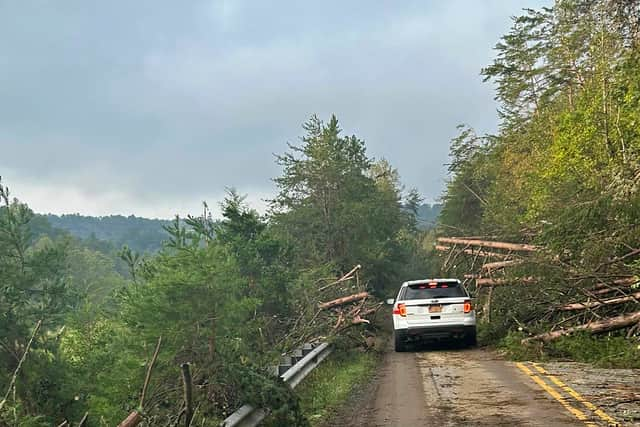
Exhausted emergency workers toiled around the clock to clear roads, restore power and phone service, and reach people stranded by the storm, which killed at least 150 people across the southeast, a toll expected to rise.
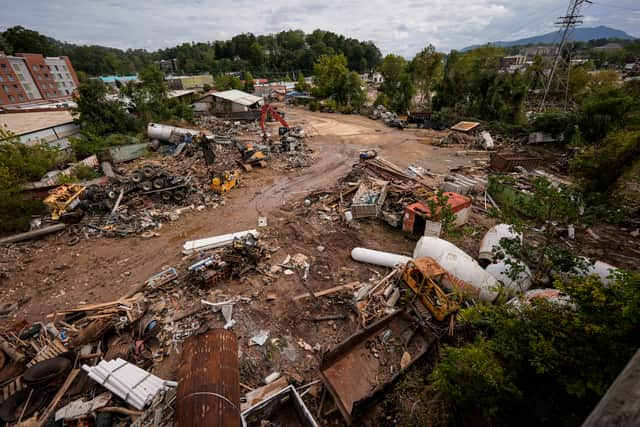
President Joe Biden was set to survey the devastation in the region on Wednesday.
Officials in the hard-hit tourism hub of Asheville said their water system suffered “catastrophic” damage that could take weeks to fully repair.
Government officials, aid groups and volunteers worked to deliver supplies by air, truck and even mule to the town and surrounding mountain communities.
The North Carolina death toll included one story after another of people who were trapped by floodwaters in their homes and vehicles or were killed by falling trees.
A courthouse security officer died after being submerged inside his truck.
A couple and a six-year-old boy waiting to be rescued on a rooftop drowned when part of their home collapsed.
More than 50 hospital patients and staff in Tennessee were plucked by helicopter from the hospital rooftop in a daring rescue operation.
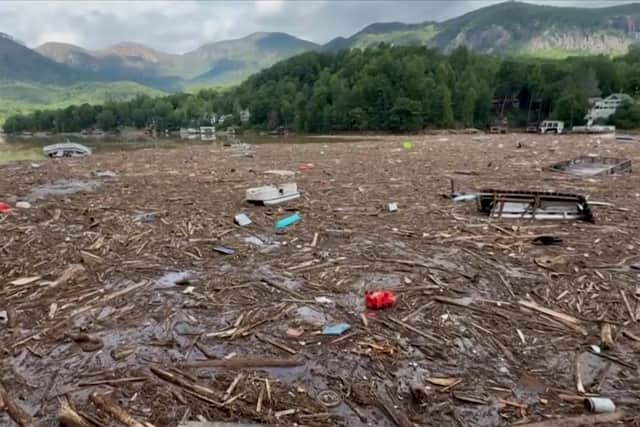
The storm unleashed the worst flooding in a century in North Carolina.
Rainfall estimates in some areas topped more than two feet (61cm) since Wednesday, and several main routes into Asheville were washed away or blocked by mudslides. This included a four-mile section of Interstate 40 that was heavily damaged.
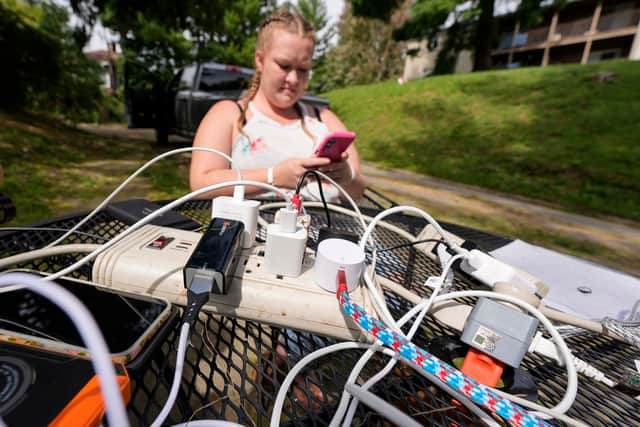
The storm upended life throughout the southeast, where deaths were also reported in Florida, Georgia, South Carolina, Tennessee and Virginia.
Officials warned rebuilding would be long and difficult.
Federal Emergency Management Agency officials said shelters housed more than 1,000 people.
All the animals were safe, but much of the aquarium’s vital equipment was damaged or destroyed, said James Powell, the aquarium’s executive director.
Georgia governor Brian Kemp said the storm “literally spared no-one”.
Most people in and around Augusta, a city of about 200,000 near the South Carolina border, lacked power.
With at least 30 killed in South Carolina, Helene was the deadliest tropical cyclone to hit the state since Hurricane Hugo made landfall north of Charleston in 1989, killing 35 people.