
Diabetic HR manager who was nicknamed ‘sugar boy’ at school and felt ‘shame’ wants to break stigma around condition
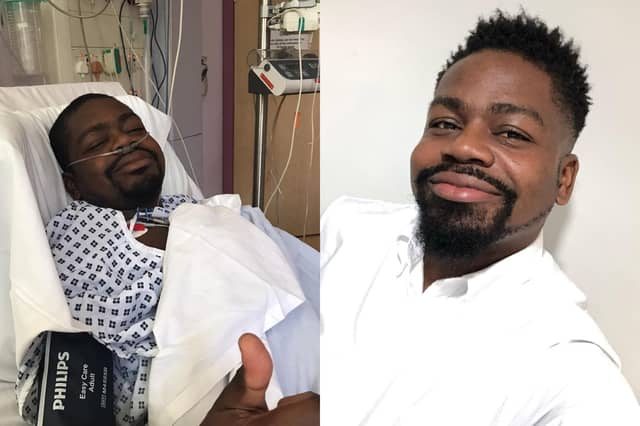

A senior HR manager, who was given the nickname “sugar boy” at school due to his type 1 diabetes and felt “embarrassment and shame” as a result of the way his peers treated him, has said he wants to break the diabetes stigma and “change the conversation” as “no health condition should be a punchline in a joke”.
Daniel Newman, 36, who lives in London, was diagnosed with type 1 diabetes – an autoimmune condition which causes the level of glucose in the blood to become too high – when he was 10 years old after being rushed to A&E following an evening at the cinema.

Due to the way his peers treated him and fears of being “judged”, Daniel did not manage his condition well as a teenager, which later contributed to other health complications, including chronic kidney disease, and he said he “carried a lot of guilt” for many years.
However, after “learning to forgive (himself) for what has happened”, Daniel now wants to draw on his own experiences to educate others, joining awareness groups such as the sporting society The Diabetes Football Community (TDFC) and hosting his own podcast on the condition.
“My aims for the future are just to continue to challenge and to talk about diabetes stigma,” he said.
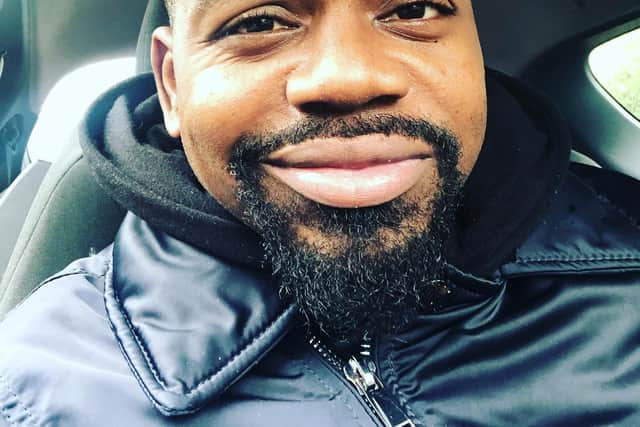
He added: “You might see that diabetes is the punchline in somebody’s joke when, actually, no health condition should be a punchline in a joke.”
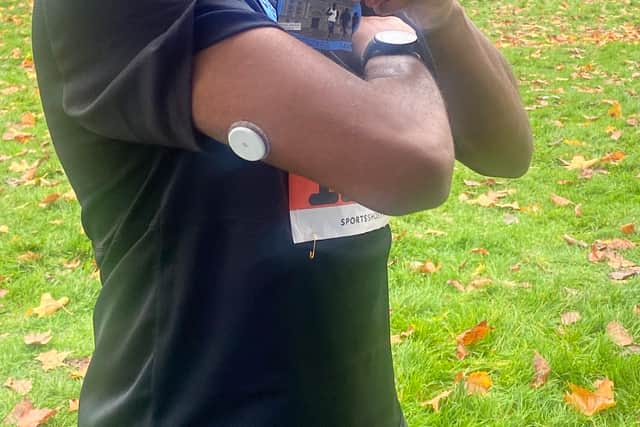
According to the NHS, those who have type 1 diabetes need to inject themselves with insulin every day to manage their blood glucose levels.
As none of Daniel’s friends at school had diabetes, he said he feared “being judged” and did his utmost to conceal his condition.
He said he would inject himself with insulin under the table in class, go to the toilet “so people wouldn’t see”, or he would avoid injecting himself altogether because he could not find the right time, or the privacy, to do it.
“It was just that fear of being judged; that fear of standing out and being different to everyone else,” Daniel explained.
According to a survey commissioned by global healthcare company Abbott, which had 1,500 participants from the UK including 500 with diabetes, nearly 75% of Britons living with diabetes have viewed negative commentary towards their condition on social media, television and online.
In Daniel’s case, he said he was called “sugar boy” and was told that type 1 diabetes is “the easy one” while he was at school.
He said he just “wanted to fit in with (his) friends”, but “the embarrassment and shame” he felt, along with the name-calling, had a detrimental effect.
“You do feel a level of – particularly the ‘sugar boy’ – embarrassment and shame… and the stigma links to isolation as well,” he said.
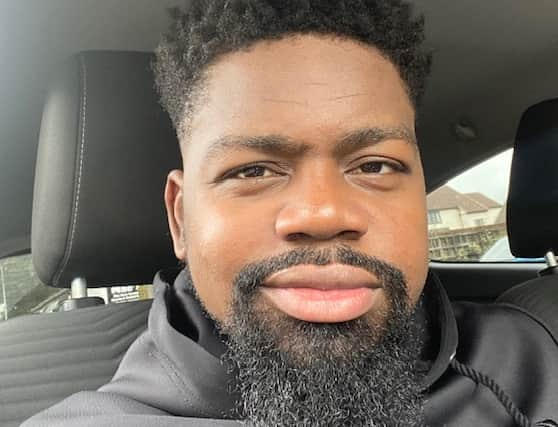
At the age of 16, Daniel said he hit his lowest point and he started experiencing what he described as “diabetes distress” and “diabetes burnout”.
He said he felt “frustrated, defeated and overwhelmed by diabetes”, and started to withdraw from managing his condition in the best way.
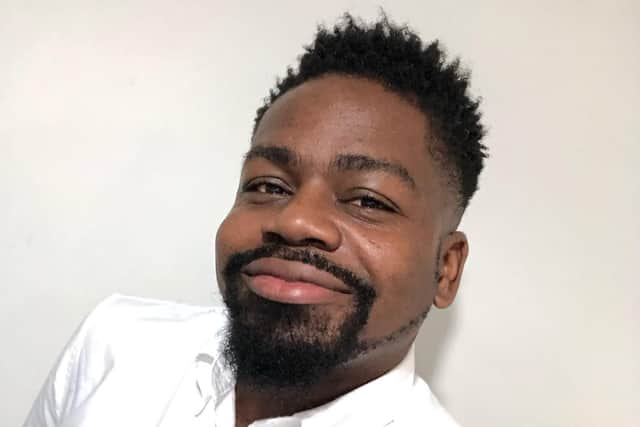
“It just keeps going and going and going, and so I said to myself ‘Do you know what? You need insulin to stay alive’, so I’ll just take insulin to stay alive.
“I won’t check my levels, I won’t do any of that, I’ll just take insulin to stay alive.
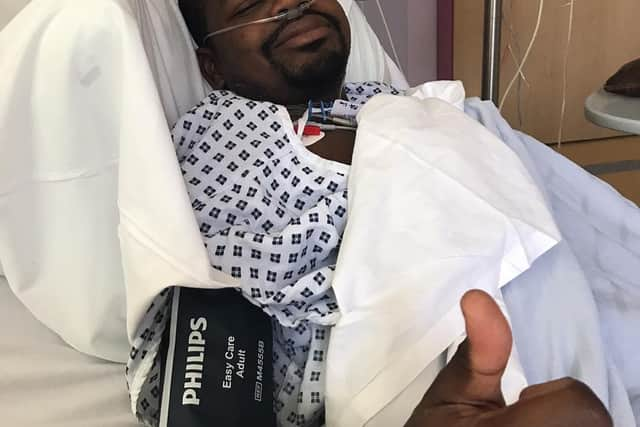
Due to complications with his diabetes, Daniel was diagnosed with chronic kidney disease in 2013 and was the recipient of a live kidney transplant in 2018. He is now managing this with immunosuppressants and anti-rejection medication.
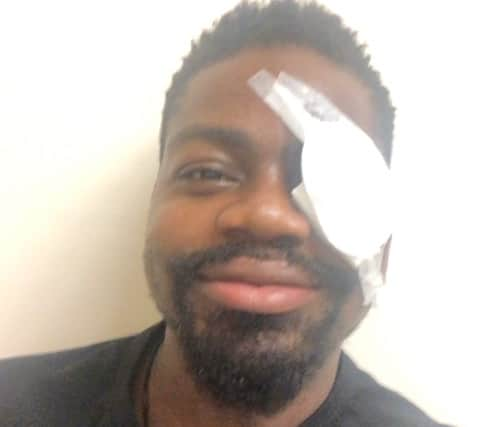
Daniel said he felt “deflated” as these diagnoses were most likely linked to the management of his diabetes in his younger years. He said he felt “so alone” and that he had “failed a test over a condition that (he) didn’t ask for”.
“I carried a lot of guilt around, which I think many people who are diagnosed with complications whilst living with diabetes do,” he said.
“It’s always the ‘If only I did this, if only I did that, if only’, and the reason why you think ‘if only’ is because you can get messages from your healthcare professionals, saying ‘If you don’t look after yourself, then this will happen’.
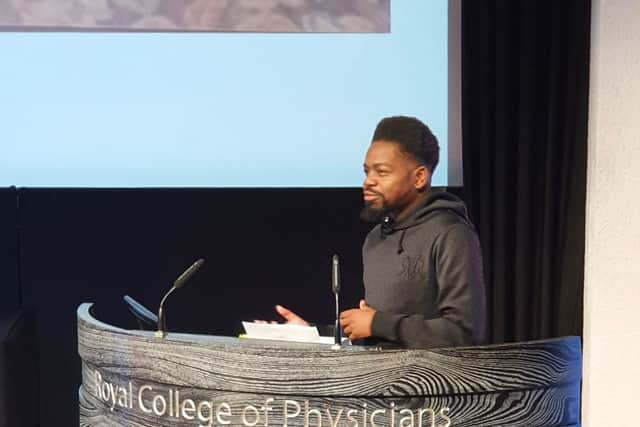
Daniel explained that changing his mindset and focusing on personal development and self-improvement, by reading, researching, and listening to podcasts, has been fundamental in helping him to accept his conditions and educate others.
He feels that people need to have more open and honest discussions about diabetes to take away the stigma and, he hopes that, by drawing on his own diagnoses and by not “glamorising” them, he can “use (his) voice and (his) experience to help others”.

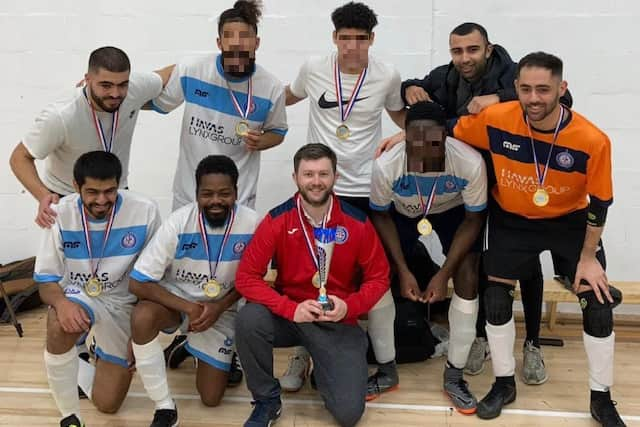
He has also joined TDFC – a network of people who all have diabetes and who play football – and said there is “no judgment there”.
Daniel said he will continue to engage in conversations, and his advice to anyone who has been diagnosed with diabetes is: “Try not to panic and try not to be overwhelmed… there will be good days and bad days, but just try to do your best every single day.
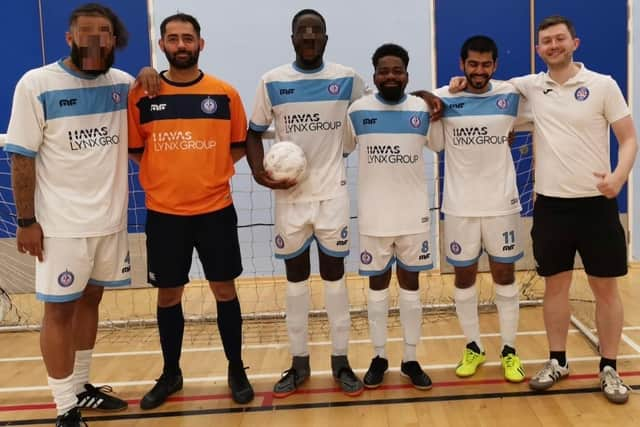
“You aren’t the only one; there are other people who have experienced what you have experienced, who are going through what you are going through, and you can see some of their experiences and draw inspiration from them.
“Just having that conversation takes away the stigma of living with diabetes and changes the perspective.”
– To find out more about Abbott’s Let’s Change Perspective campaign, visit https://www.abbott.co.uk/lets-change-perspective.html