
Diana’s life and legacy to be remembered on 25th anniversary of her death
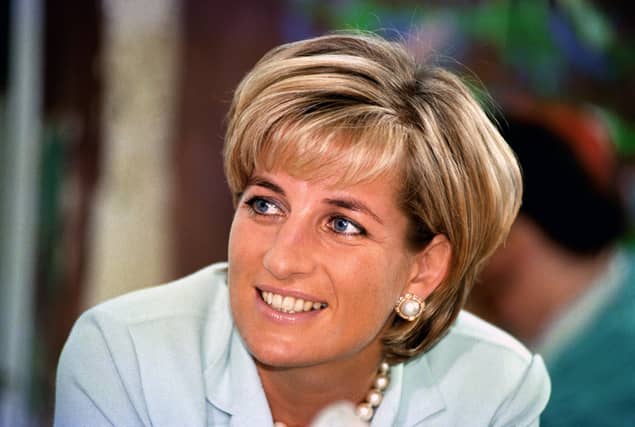

The enduring legacy of Diana, Princess of Wales will be remembered by her family, friends and many admirers on the 25th anniversary of her death.
Diana’s death in 1997 shocked the world and in the decades that have followed her influence has been seen in the causes supported by royals, the way they conduct themselves and even in their fashion choices.
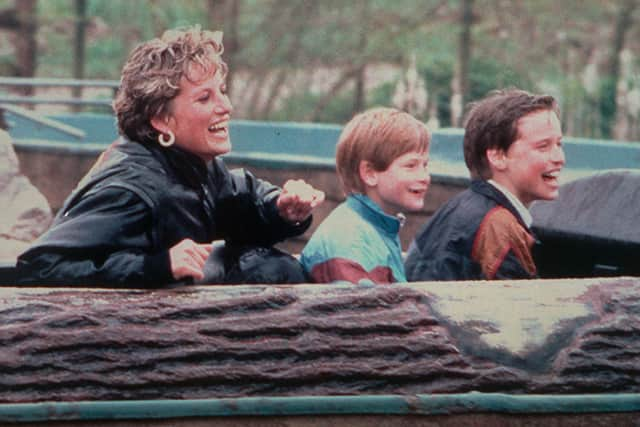
Speaking recently about Diana, Harry said: “There isn’t a day during the past two-and-a-half decades I haven’t thought about the mark she left not only on me and my brother but on all of our lives.”
Diana broke new ground by championing issues like Aids awareness – famously holding the hand of a man with the illness – or highlighting homelessness and joining campaigners calling for a ban on landmines.
Her fashion sense made her a cover star for magazines and newspapers across the globe and even after she broke away from the royal family was still seen as the modern face of the monarchy.
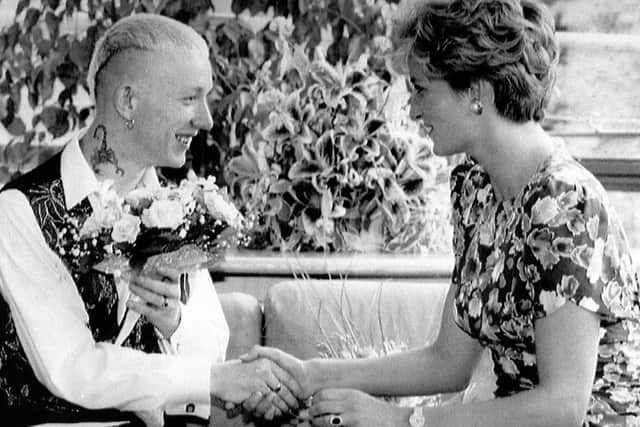
Commenting on her contribution to national life, he added: “She made huge inroads into the attitude towards Aids. I think because of her people became far more aware of it and understood the situation in a way they hadn’t done previously.”
He added that her sons have followed their mother’s example in breaking down barriers and acting less formally: “They are much more ‘touchy feely’ then they ever would have been.
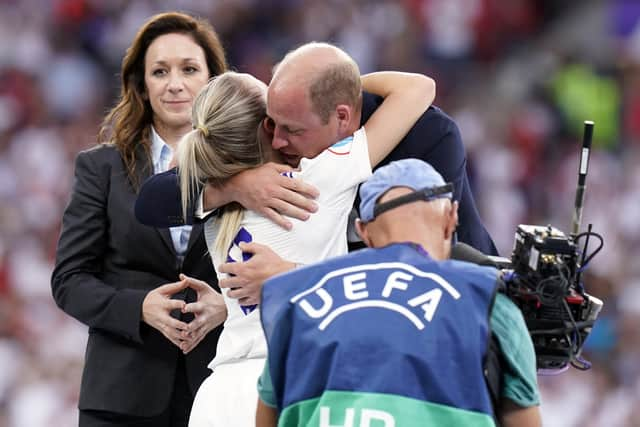
“Look at William at Wembley during the medal presentation for the Women’s Euro final, he’s hugging the England players, that’s something that perhaps wouldn’t have happened until fairly recently.
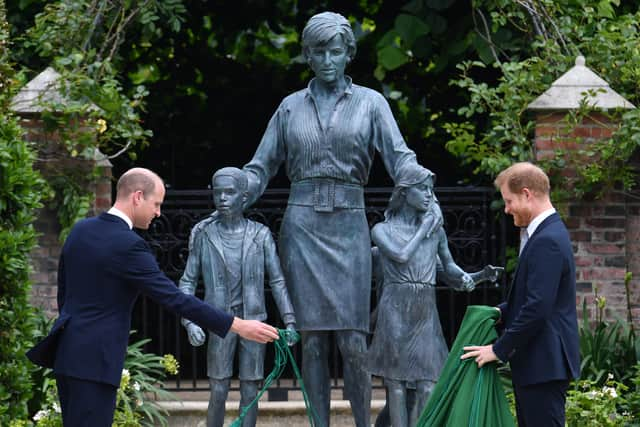
The two royal brothers jointly paid tribute to their mother last summer on July 1 when they unveiled a statue of the princess in the garden of her former home Kensington Palace.
William and Harry – divided on many issues – put on a united front.
In a statement released after the brief ceremony, the brothers said: “Today, on what would have been our mother’s 60th birthday, we remember her love, strength and character – qualities that made her a force for good around the world, changing countless lives for the better.”
Diana’s marital troubles – and issues like her bulimia and suicide attempts – had been laid bare in the 1992 Andrew Morton book Diana, Her True Story.
Three years later came more revelations when she told a BBC Panorama documentary “well, there were three of us in this marriage, so it was a bit crowded” – a reference to Camilla Parker Bowles who Charles later married.
The BBC vowed last month to never broadcast the interview again in the wake of the Dyson inquiry, which found journalist Martin Bashir used “deceitful behaviour” to secure the scoop.
He faked bank statements which he showed to Diana’s brother Earl Spencer to gain access to the princess.
William and Harry, in separate statements, condemned the BBC for its treatment of their mother, with William saying the interview fuelled her “fear, paranoia and isolation”, and Harry saying “the ripple effect of a culture of exploitation and unethical practices ultimately took her life”.
When Diana died aged 36 she was embarking on a new period of her life, free from the restraints of being a member of the monarchy and intent on using her position to champion the causes close to her heart.