
Discovering Coco Chanel’s Paris as a major new exhibition honours the designer
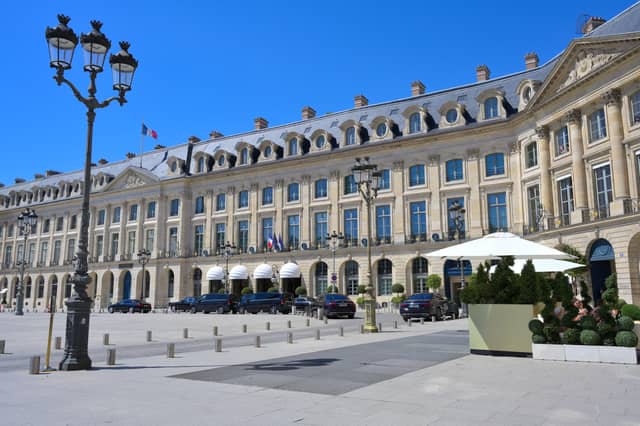

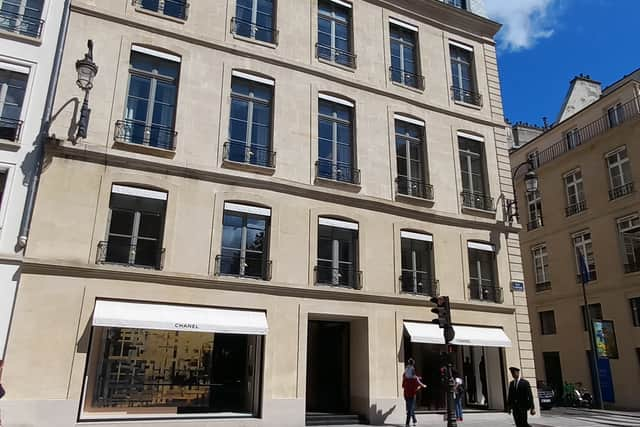
The flagship Chanel boutique at 31 Rue Cambon is a hive of activity on a bright summer Saturday in Paris.
A well-dressed mum with a couple of kids in tow is trying on loafers, on the ground floor. A pair of American women sitting at a glass counter eye a black quilted handbag proffered by an assistant in white gloves. On the second floor, shoppers browse a range of bubblegum pink tweed suits and dresses.
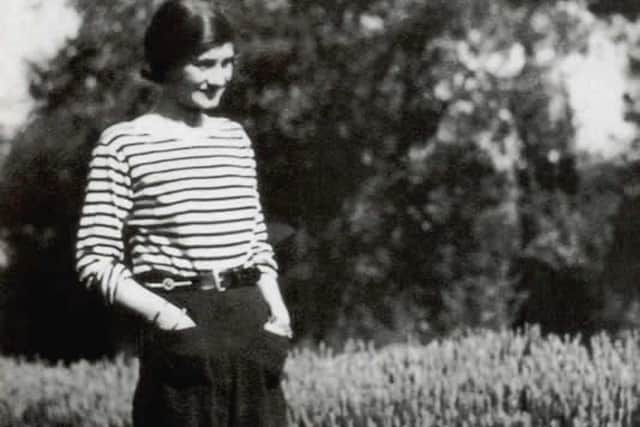
Born in the Loire Valley in 1883, the famed designer was taught to sew by nuns in the orphanage to which she was sent aged 11 by her itinerant father when her mother died.
After spells as a seamstress and cabaret singer, Coco (rumour has it her nickname was short for ‘cocotte’, French for ‘kept woman’) began designing hats, opening hat shops funded by her lovers in other French towns, before making her way to the capital and establishing her millinery boutique at 21 Rue Cambon.
Above the Chanel store, the second-floor apartment at the same address (where she received guests, but never slept) has been preserved ever since.
“It is quite a fascinating space,” says Oriole Cullen, curator of modern textiles and fashion and the V&A Museum in London.
“There is the big sandy suede sofa, which has the cushions which are that famous cross stitch quilting, and you can pick up all of these elements within her rooms that relate [to her designs].”
“The number five is present in various places like in the chandelier, and lots of crystals around the place, lion motifs. She lived surrounded by these ciphers, which today have come to crystallise the brand.”
Cullen inspected the apartment while curating Gabrielle Chanel: Fashion Manifesto, the exhibition that opens at the V&A on September 16, following stops in Paris, Melbourne and Tokyo.
The only way to get a glimpse inside the fabled flat is by special request (it’s closed for August, traditionally the city’s quietest period, when I’m in town), but a short stroll away you’ll find one of Coco’s regular haunts, a must-visit for any fashion fan in Paris.
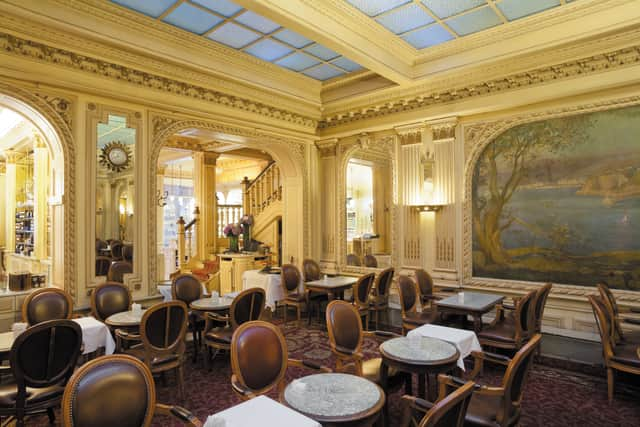
“This was the place that all the writers, painters and people of fashion would come and eat and have their meetings and see their collaborators,” assistant manager Kim Prestige tells me, as a waitress pours me a flute of champagne. “So it was very vivacious back in those days.”
We’re sitting at Coco’s favourite table in the light, high-ceilinged tearoom, where bevelled mirrors and fresco paintings – preserved since the café opened in 1903 – line the walls, with gilt moldings framing depictions of the French Riviera.
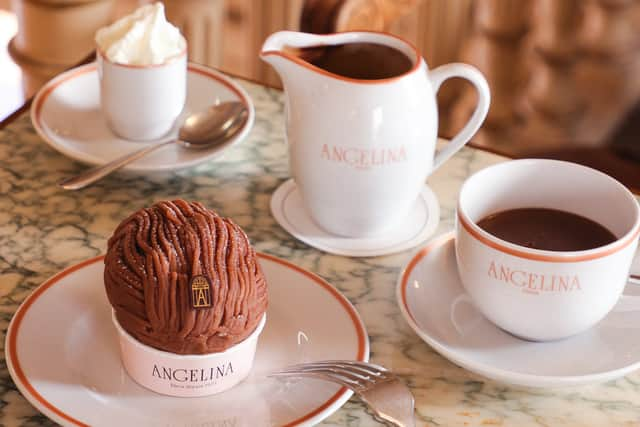
I sample a bite-sized version of the indulgent treat as part of the Tea Time Angelina (£38), along with finger sandwiches, a range of dainty pastries, a pot of tea and a glass of bubbly.
The bustling atmosphere endures to this day – it’s easy to imagine 30-something Coco wandering over from her atelier, wiling away the hours and catching up on the latest gossip.
Known to be somewhat liberal with the truth (particularly concerning her own childhood), the trailblazing designer and perfumer (she commissioned Chanel No. 5 in 1920) was a controversial character, to say the least.
On the one hand, she helped to liberate women from the rib-crushing corsets and heavy gowns that weighed them down at the start of the century. On the other, she collaborated with the Nazis during World War II, and was openly antisemitic and homophobic.
“Chanel was first and foremost designing for herself,” Cullen says.
“She brought a lot of textiles into fashion that previously weren’t seen as high fashion materials, things like jersey… very much looking towards this idea of a practical way of dressing, which was acceptable for menswear, but not within womenswear at the time she started up.”
The Fashion Manifesto exhibition debuted at Palais Galliera in 2020, staged in the Coco Chanel galleries.
I head to the museum to see the current show, Fashion On The Move (tickets are £10 for adults), which traces the history of sportswear for women from the 1830s onwards, from bustles to bikinis.
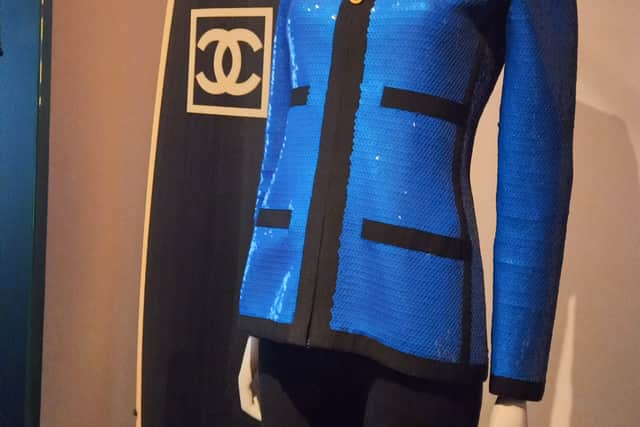
Paris will be in the sporting spotlight next year, of course, when it hosts the 2024 Summer Olympics, with over a million tourists expected to descend on the French capital.
Just over two hours from St Pancras International on the Eurostar (the eco-conscious traveller might be pleased to learn one flight is equivalent to the carbon emissions of 13 train journeys), the City of Light is ideal for a long weekend away, whether you’ve got Olympics tickets or not.
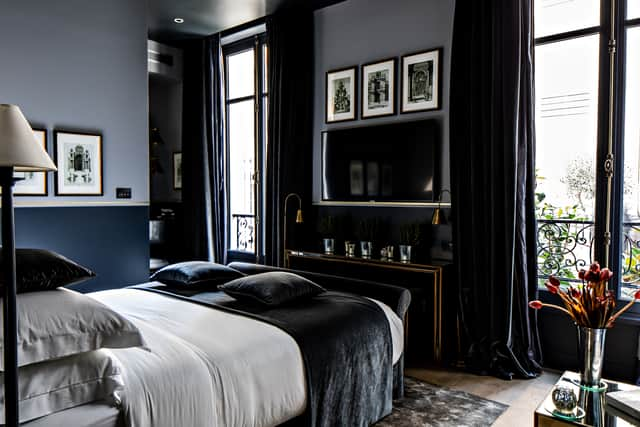
The Haussmann-style building combines classic Parisian elegance and sumptuous modern luxury, from the slate grey velvet and satin furnishings of my room, to the emerald green tiled dining room.

Coco herself checked into the Ritz Paris on Place Vendome in 1937 and (apart from a decade exiled in Switzerland after the war) stayed there until her death in 1971.
While the £15,000 a night Coco Chanel suite might be out of most people’s price range, the iconic hotel’s afternoon tea – another one of her favourite spots – is a more affordable option.

Sitting in a plush red armchair in the hushed, gilded splendour of bookcase-lined Salon Proust, it’s easy to see why Coco called the Ritz home for so many years.
From fashion to food, handbags to hotels, the visionary designer certainly had exquisite taste.
How to plan your trip
Eurostar operates 14 trains a day from London St Pancras to Paris Gare du Nord, with one-way fares starting from £39. Tickets available from Eurostar.com.
Rooms at Monsieur Georges Hotel and Spa start from £404 per night in September, via Booking.com.