
Disgraced Theranos boss begins 11-year sentence for blood-testing scam
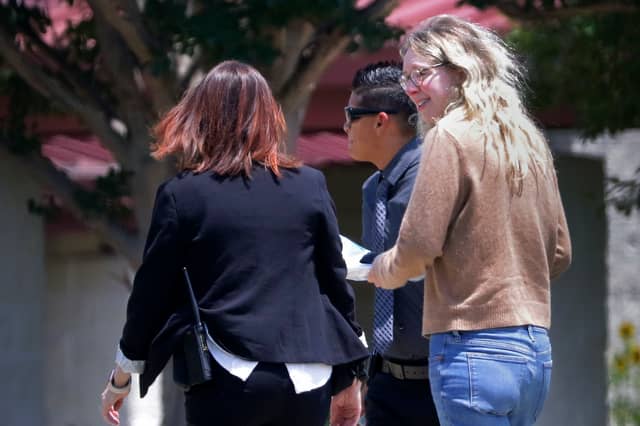

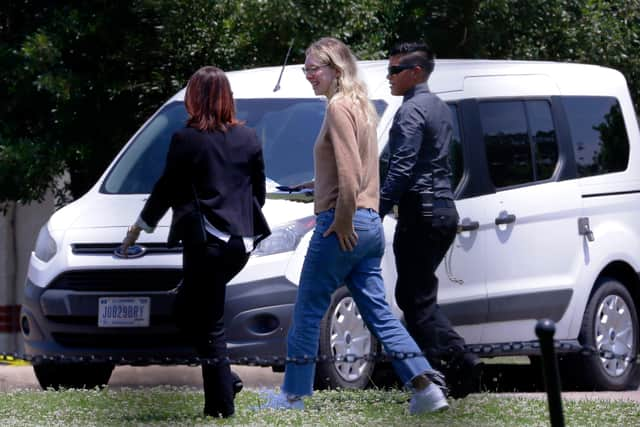
Disgraced Theranos chief executive Elizabeth Holmes is in custody at a Texas prison where she could spend the next 11 years for overseeing a blood-testing hoax, according to the Federal Bureau of Prisons.
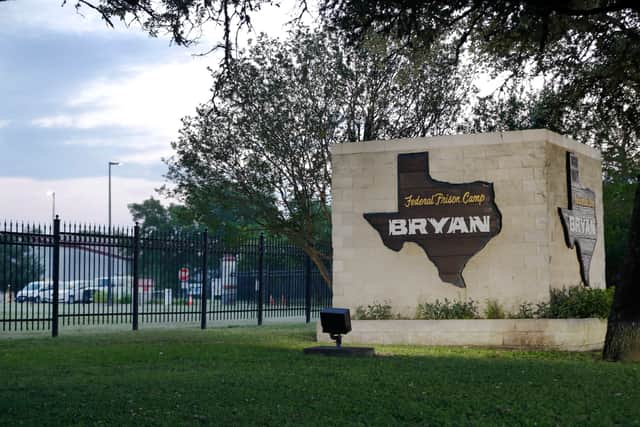
Holmes, 39, on Tuesday entered a federal women’s prison camp in Bryan, Texas — where the federal judge who sentenced Holmes in November recommended she be incarcerated.
The minimum-security facility is about 95 miles northwest of Houston, where Holmes grew up.
Holmes has been free on bail since then, most recently living in the San Diego area with the children’s father, William “Billy” Evans. The couple met in 2017 around the same time Holmes was under investigation for the collapse of Theranos, a startup she founded after dropping out of Stanford University when she was 19.
While she was building up Theranos, Holmes grew closer to Ramesh, “Sunny” Balwani, who would become her romantic partner as well as an investor and fellow executive in the Palo Alto, California, company.
Together, Holmes and Balwani promised Theranos would revolutionise health care with a technology that could quickly scan for diseases and other problems with a few drops of blood taken with a finger prick.
The hype surrounding that purported breakthrough helped Theranos raise nearly one billion dollars (£0.8 billion) from investors, assemble an influential board of directors that include former presidential cabinet members George Shultz, Henry Kissinger and James Mattis and turned Holmes into a Silicon Valley sensation with a fortune valued at 4.5 billion dollars (£3.6 billion) on paper in 2014.
But serious dangerous flaws in Theranos’s technology were exposed in a series of articles in The Wall Street Journal that Holmes and Balwani tried to thwart.
Holmes and Balwani, who had been secretly living together while running Theranos, broke up after the Journal’s revelations and the company collapsed.
Holmes admitted making mistakes at Theranos, but steadfastly denied committing crimes during seven days of testimony on the witness stand during her trial.
She told the jury about being sexually and emotionally abused by Balwani while he controlled her in ways that she said clouded her thinking. Balwani’s lawyer denied Holmes’ allegations, which was one of the key reasons they were tried separately.
Balwani, 57, was convicted on 12 felony counts of fraud and conspiracy in a trial that began two months after Holmes’ ended. He is currently serving a nearly 13-year sentence in a Southern California prison.
Maintaining she was treated unfairly during the trial, Holmes sought to remain free while she appeals against her conviction. But that bid was rejected by U.S. District Judge Edward Davila, who presided over her trial, and the Ninth Circuit Court of Appeals.