
Drugs taskforce members hopeful of change after report released
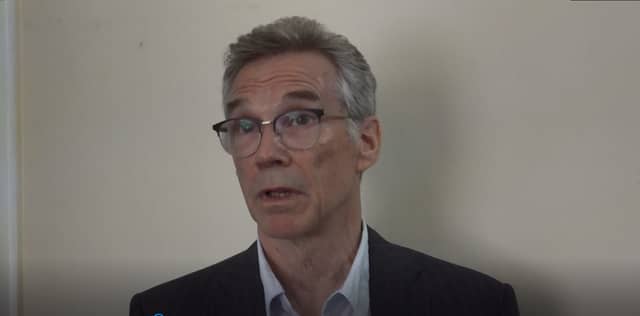

Members of Scotland’s drug deaths taskforce say they are hopeful their report will bring about change in the country’s ongoing crisis.
Some members of the 15-person independent taskforce represented people with “lived experience” of addiction in the group’s discussions.
On Thursday, the taskforce released its final report, the result of three years of work on how to tackle Scotland’s soaring rates of drug deaths.
Colin Hutcheon, 69, represented families of people dealing with addiction as a close family member of his was involved in substance misuse.
Discussing the taskforce’s report, he told the PA news agency: “It does make me hopeful.
“If all the recommendations are implemented things will change for the better.”
He said the report could be a “turning point for families”, adding: “It’s really important that services do recognise the needs of families in their own right, but also the role that they can play in supporting their loved ones and keeping them alive.”
Mr Hutcheon said families sometimes felt “invisible” to those who were providing services to drug users, something he said there was no longer any excuse for.
The stigma around drug use was one of the biggest problems, he said, as families often felt “embarrassed and ashamed” to seek help.
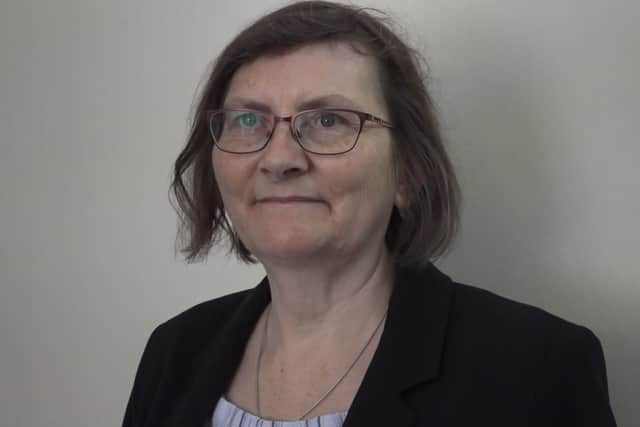
Ms Wood, 56, said she began using a number of illegal drugs including heroin for a period of around 10 years.
She lived a “double life” during much of this time, she said, with most of her family unaware of her drug use.
She said her mother “saved my life” when she eventually confessed, before taking part in a recovery group in Forth Valley.
Ms Wood told the PA news agency: “For the first few years, I managed to hide it really well and still manage my life, it was sort of occasional use.
“But addiction is progressive so towards the end of my use I was using on a daily basis.
“By that time I’d tried to seek help, I’d tried to self-detox, I’d tried to use various different things.”
She stressed the importance of family members and local support groups in helping people recover from addiction.
Recognising that drug use is a health problem rather than a criminal one is the most important aspect of the report’s message, she said.
Ms Wood said: “There’s hope for people in Scotland in regards to the options that are available to people.
“If you’ve got a drug problem, come forward, come and get some help.
“The way that treatment is going to be provided is going to be a lot more tailored to people’s needs.
“New standards for drug treatment would recognise everyone’s human rights,” she said.