
Earthquakes continue to rattle Greece’s volcanic island of Santorini
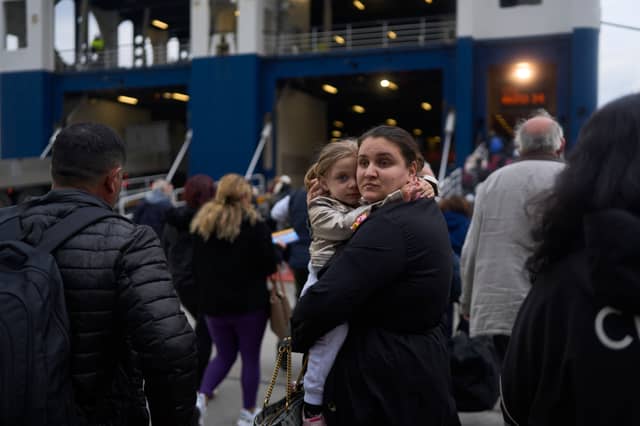

Earthquakes have continued to rattle Greece’s volcanic island of Santorini every few minutes through the night and into Wednesday.
Authorities have bolstered their emergency plans in case the hundreds of tremors over the past few days are a harbinger of a larger quake to come.
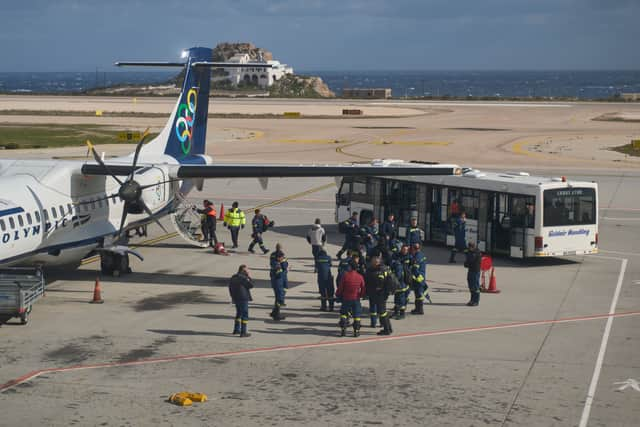
“We are obliged to draw up scenarios for better and for worse regarding the prolonged seismic activity,” Mr Kikilias said during the meeting, which was televised live.
Predicting earthquakes is not scientifically possible, and experts cannot yet determine definitively whether the seismic activity between the islands of Santorini and Amorgos could be a precursor to a significantly larger earthquake, or is part of an earthquake swarm that could continue shaking the area with small or moderate intensity quakes for weeks or even months.
“I understand the fear of what it means at the moment to be on a Santorini that is constantly moving,” Prime Minister Kyriakos Mitsotakis said, as he called on residents to remain calm and follow authorities’ instructions.

Public events on Santorini have been banned, and local authorities were restricting access to clifftop areas that are among the biggest tourist draws to the island.
Thousands of residents and visitors have already left Santorini, frightened by the hundreds of earthquakes measuring between magnitude 3 and magnitude 5 that have struck the area since the weekend.
Ferry lines and commercial airlines have added flights and ships to their schedules this week to accommodate the increased demand.
However, ferry services were disrupted on Wednesday due to rough weather.
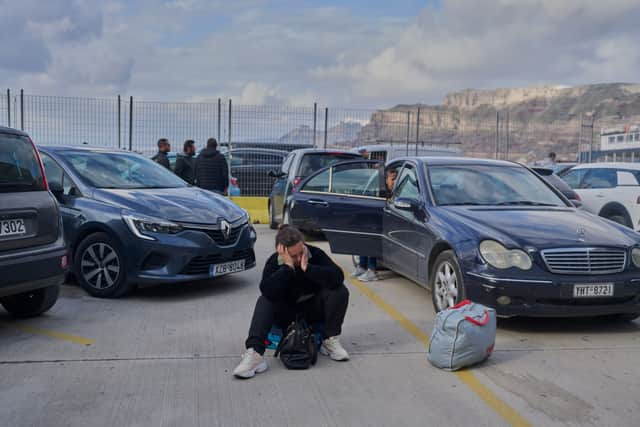
Greece lies in a highly seismically active part of the world and earthquakes are frequent. But it is extremely rare for any part of the country to experience such an intense barrage of frequent earthquakes.
Last week, authorities said monitors had picked up increased volcanic activity within Santorini’s caldera, or flooded crater, but scientists say this is unrelated to the current quakes.
They have also said the seismic activity north-east of the island is unlikely to trigger either of the two volcanoes in the area.
South-east Aegean regional governor Giorgos Hatzimarkos told Greek state television that the country’s electricity provider had sent staff and equipment to the island to prepare contingency plans in case of power cuts, while civil engineers were checking the road network.
Digital Governance Deputy Minister Konstantinos Kyranakis said the government was working with telecommunications providers to ensure backup plans in case of a network outage in the area.