
EU chief celebrates ‘immense achievements’ of member Croatia
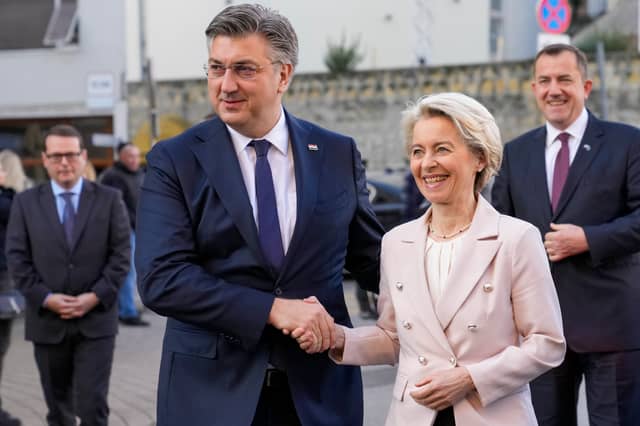

The chief of the European Union has visited Croatia to celebrate the “immense achievements” of the last nation admitted to the EU, which switched to using the euro and joined the world’s largest passport-free travel area on New Year’s Day.
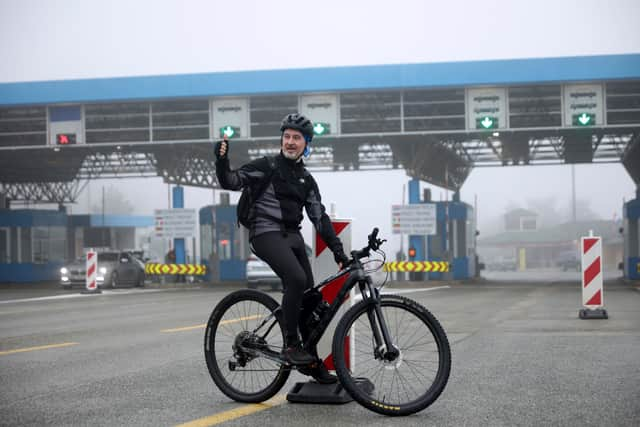
European Commission president Ursula von der Leyen met with leaders of Croatia and Slovenia at the Bregana border crossing between the two Balkan countries, which became obsolete in the first minutes of 2023 as the Schengen Area was expanded to include Croatia.
At midnight on Saturday, Croatia also relegated its national currency, the kuna, to history and changed to the euro, the common currency used by 347 million Europeans.
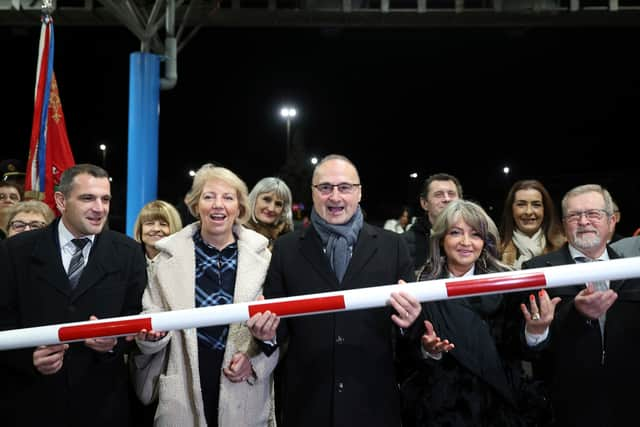
“Indeed, this is a day for history books.”
Slovenia, which joined the EU in May 2004, has been tasked with safeguarding the Schengen Area’s boundary since it became part of the passport-free zone in December 2007.
Croatia, which was admitted to the EU in July 2013, now assumes that responsibility.
After meeting Ms von der Leyen and Slovenian President Natasa Pirc Musar at the Bregana border crossing, Croatian Prime Minister Andrej Plenkovic pledged to control its eastern borders with non-EU neighbours Bosnia, Serbia and Montenegro, which now form the Schengen Area’s external borders.
However, Mr Plenkovic said Croatia would never erect physical barriers between itself and its three eastern neighbours but would instead use its EU integration experience to help those countries achieve the same goal.
Bosnia, Serbia and Montenegro are all striving to join the EU but are at different stages on the membership path.
Montenegro and Serbia opened formal accession talks years ago, while Bosnia was made a candidate for membership in December.
Expansion of the EU has stalled in recent years.
But since Russia attacked Ukraine in February last year, EU officials have emphasised that stepping up the bloc’s engagement with Western Balkan nations was more crucial than ever to maintaining Europe’s security.