
Ex-army medic who ‘cheated death’ in bomb blast now preparing for Invictus Games after she lost vision and mobility
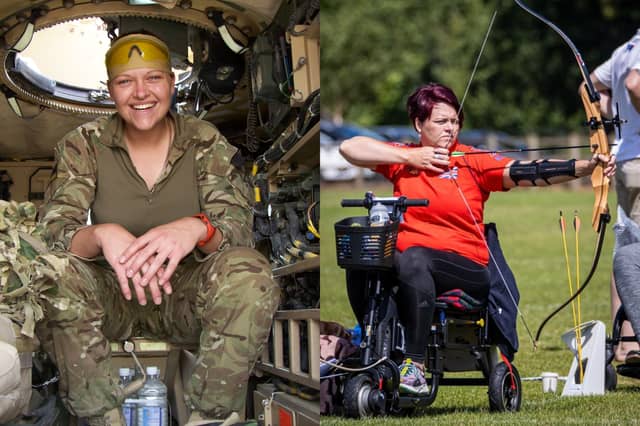

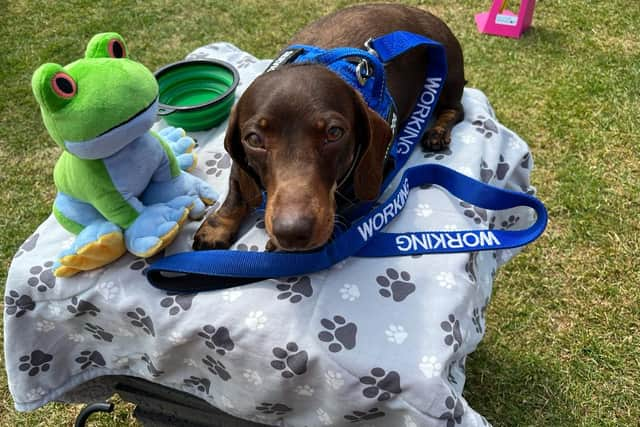
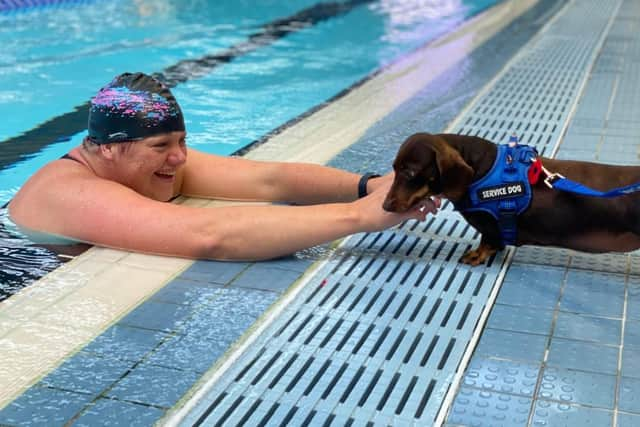
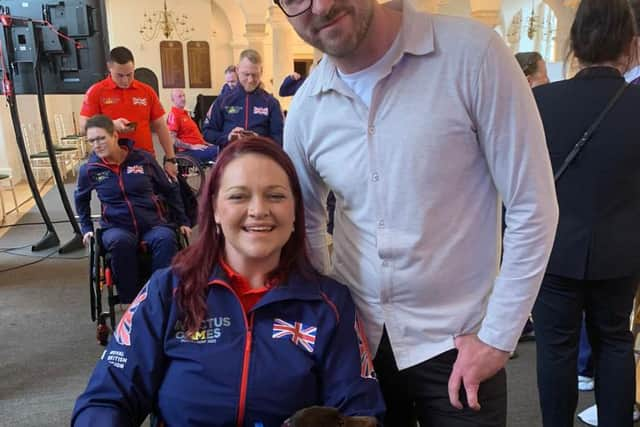
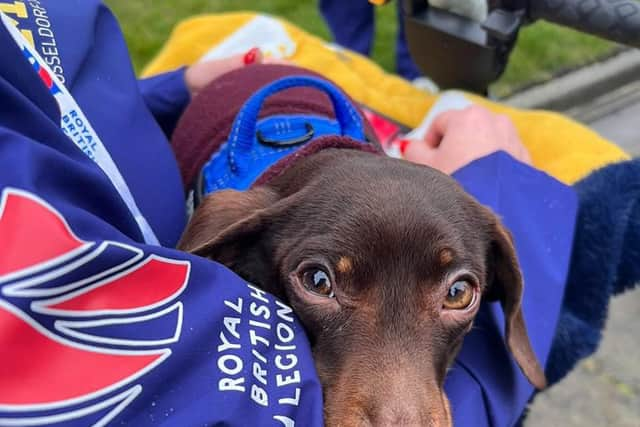
A veteran who “cheated death” after surviving a “horrific” bomb explosion in Afghanistan – but later lost her vision, mobility, and her “life as (she) knew it” – has since adjusted to a new life with her service dog and is preparing to compete at the Invictus Games.
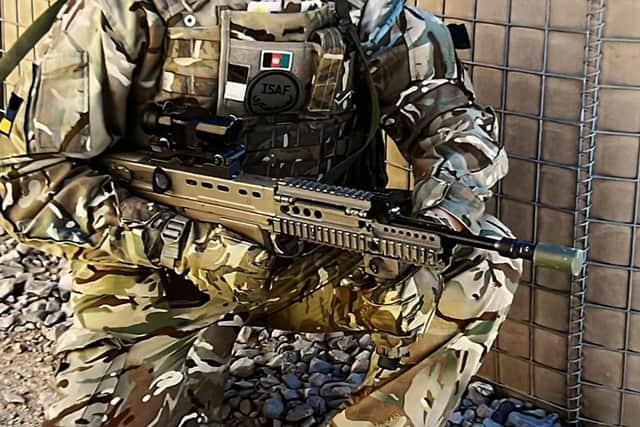
All passengers survived, but from the outside, Martha said “everyone thought they were all dead”.
“It looked absolutely horrific when I watched the footage,” Martha told PA Real Life.

“It’s an experience I wouldn’t wish on anybody… nothing is ever the same after that.”
Martha was then medically discharged from the army in February 2020 after, one day during a nursing shift in 2017, she went temporarily completely blind – with the blindness staying permanently in one eye.
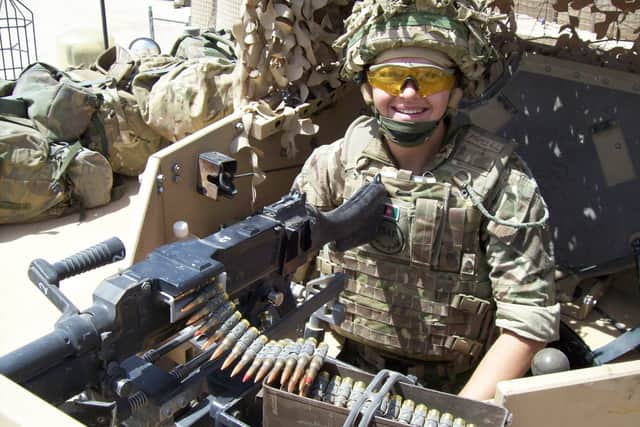
“I felt like an oxygen thief and (like) I shouldn’t have been brought back out of Afghan alive,” she added.
The nerve damage sustained from the blast led to her losing her mobility as well, and she eventually tried to take her own life.
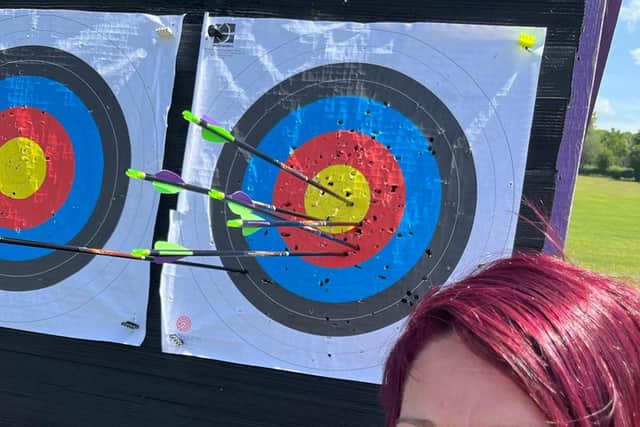
“Life has made some interesting twists and turns,” she said.
“From cheating death, not just in Afghanistan but with my mental health, to competing at the Invictus Games, I’m now finding a way through sport and challenging myself in a different way.
“It’s so easy to fall into that groove of giving up, and it’s much harder to get out of it, but once you are out, or start to get out of it, it’s so worth it.
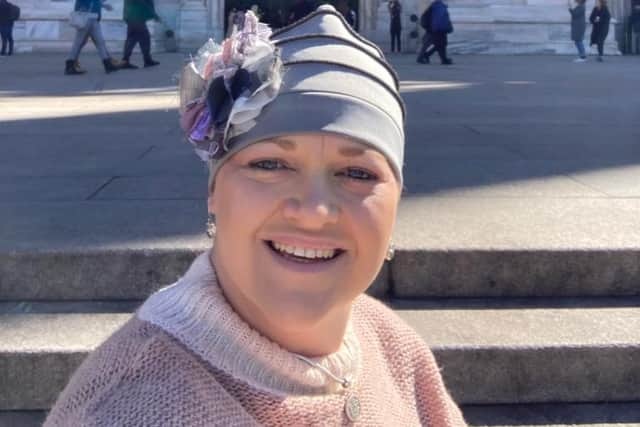
Martha “fell in love with the UK” after coming over from South Africa in 2006, aged 20, and initially worked as a pastry chef at places such as Lambeth Palace – the London home of the Archbishop of Canterbury – and the Barbican on a two-year working holiday visa.
Since her father worked in the RAF, Martha then decided she wanted to join the army.
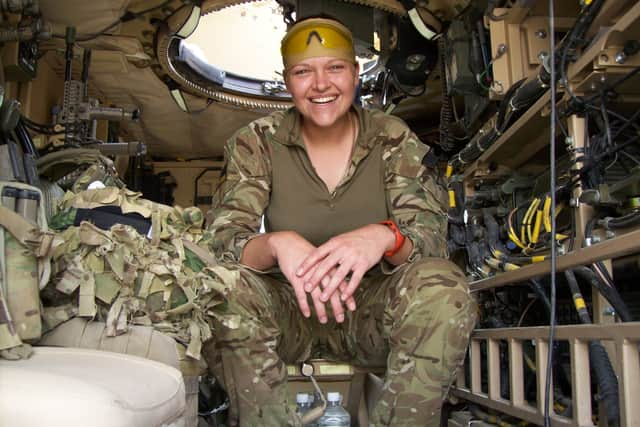
She observed trauma operations for injuries ranging from burns to gunshot wounds, set up hospitals and tents at various locations across the world, and felt she was “in (her) element out in the field” – but everything changed on June 23 2013 while in Afghanistan.
At 5.38am, the vehicle she was travelling in triggered an IED and she was “blown up into the air” – a moment Martha “will never ever forget”.
“The smell was putrid and there was just smoke everywhere,” she said.
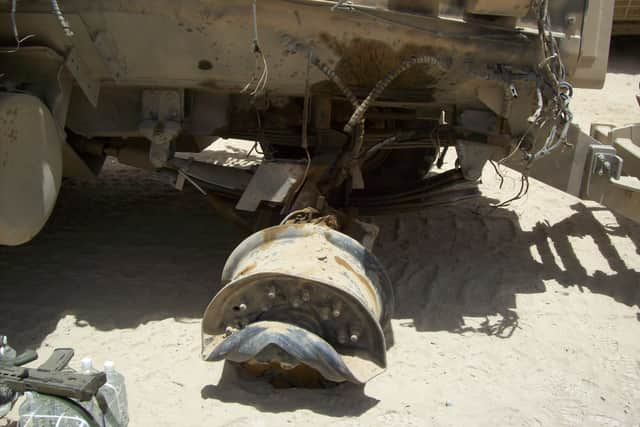
“I remember us actually going up, down, up, down, and we ended up at an angle where we were hanging… and no-one knew if we were alive or not.
“It took them until 11.20am to get us out of the vehicle and the first thing the sergeant who opened the door asked me was, ‘How many are alive?’”
She was flown to Brize Norton, West Oxfordshire, before travelling to her base in Gosport, Hampshire, and then underwent rehabilitation in Portsmouth.
She travelled back out to Afghanistan to finish the tour, and then returned to the UK in October 2013, where she received a trophy for top soldier for her unit.
“When I got back from Afghan, there weren’t any helicopters, there weren’t missiles going on, there was nothing and it was dead quiet,” she explained.
“It’s almost like you’re staying on edge because you’re waiting for something to happen.

At the time, Martha said she did not realise she was experiencing CPTSD.
She started seeing a welfare team and underwent treatment, but one day in 2017, during one of her nursing placement shifts, she “went completely blind in both eyes”.
Martha said everything then “started to go wrong” and she went into a “depressive state” – she was anxious, could not leave the house, and her “whole body would just shake”.
She also started experiencing symptoms similar to multiple sclerosis (MS) – a condition that can affect the brain and spinal cord – and this impacted her speech and mobility.
“I got taken off my nursing course completely, so I lost my nursing career, my military career, and my life as I knew it, all within a space of a year.
“In that time, my whole body started giving in, so I lost the use of my legs, my arms were shaking, and my speech was going, so I had a lot of therapy and physio.”
She eventually tried to take her own life, which led to her being introduced to Op Courage, an NHS mental health specialist service which assessed her.
It was through Op Courage that Martha was referred to mental health charity St Andrew’s Healthcare where she received “life-changing” support and treatment – for which Martha said she will be “forever grateful”.
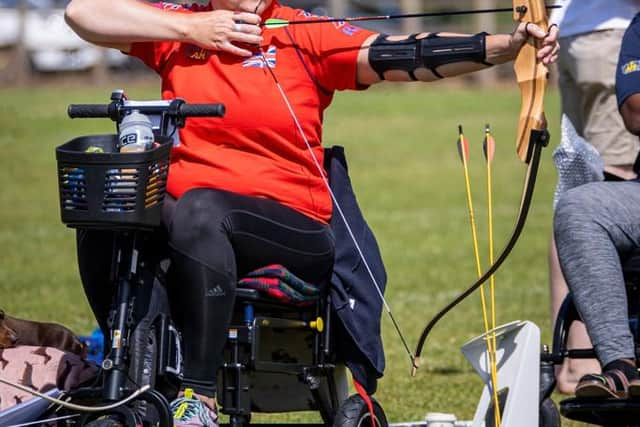
Now preparing for the Invictus Games, she said: “I’m nervous, but I’m excited as well.
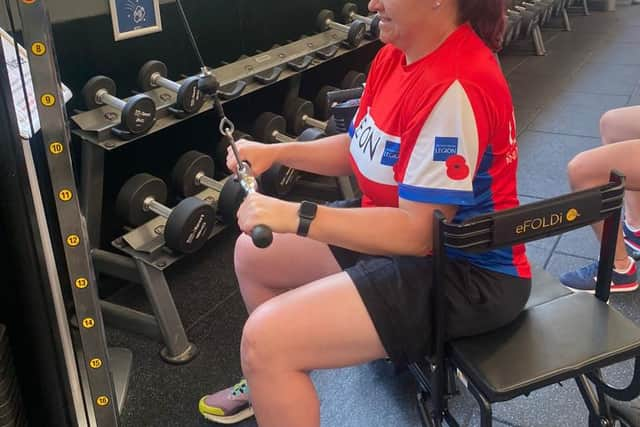
On her life today, she added: “I still have all my other struggles, they have not gone away, and the slow deterioration is still there – I can’t do anything about that.
“But for as long as I am breathing and there’s life in my bones, I’m going to do things and I’m counting down the days until the Invictus Games.”
The Royal British Legion, in partnership with the Ministry of Defence, will be taking Team UK’s veterans and military personnel to this year’s Invictus Games. To find out more, visit: www.rbl.org.uk/Invictus
Martha is also fundraising to purchase a wheelchair for the Invictus Games – visit www.justgiving.com/crowdfunding/martha-prinsloo-invictus23