
Far right leads in polls as voting begins in France’s parliamentary election
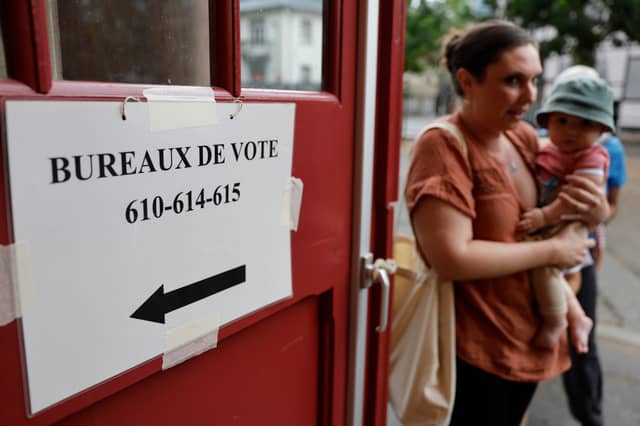

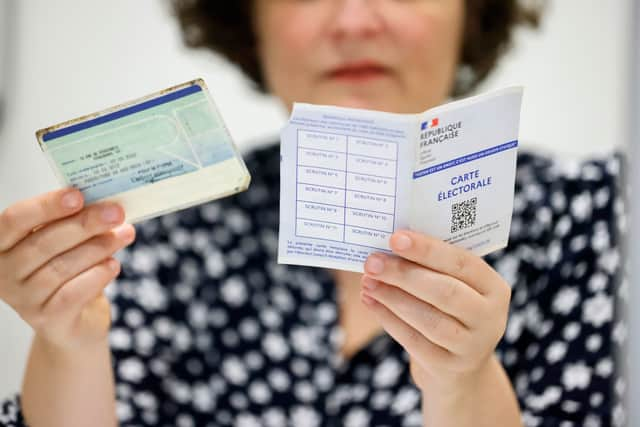
Voters across mainland France began casting their ballots on Sunday in the first round of an exceptional parliamentary election that could put the country’s government in the hands of nationalist, far-right parties for the first time since the Nazi era.
The outcome of the two-round election, which will conclude on July 7, could affect European financial markets, Western support for Ukraine and how France’s nuclear arsenal and global military force are managed.
Many French voters are frustrated about inflation and economic concerns, as well as President Emmanuel Macron’s leadership, which they see as arrogant and out-of-touch with their lives.
Marine Le Pen’s anti-immigration National Rally party has tapped and fuelled that discontent, notably via online platforms like TikTok, and dominated all pre-election opinion polls.
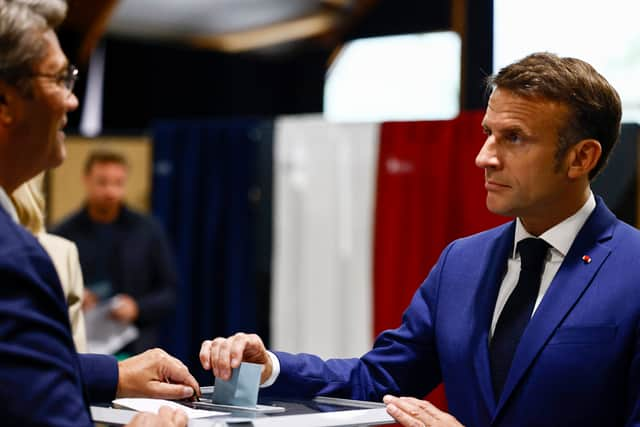
There are 49.5 million registered voters who will choose 577 members of the National Assembly, France’s lower house of parliament, during the two-round voting.
After a blitz campaign marred by rising hate speech, voting began early in France’s overseas territories, and polling stations opened in mainland France at 8am (0700 BST) on Sunday.
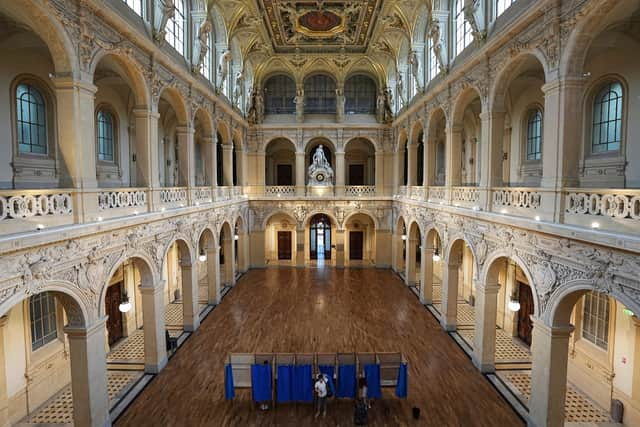
In the volatile French Pacific territory of New Caledonia, polls have already closed – at 5pm local time – due to an 8pm-to-6am curfew that authorities on the archipelago have extended until July 8.
Nine people died during two-week-long unrest in New Caledonia, where the indigenous Kanak people have long sought to break free from France, which first took the Pacific territory in 1853.

Voters in France’s other overseas territories from Saint-Pierre-et-Miquelon, Saint-Barthelemy, Saint-Martin, Guadeloupe, Martinique, Guyana, French Polynesia and those voting in offices opened by embassies and consular posts across the Americas cast their ballots on Saturday.
Mr Macron called the early election after his party was trounced in the European Parliament election earlier in June by National Rally, which has historic ties to racism and antisemitism and is hostile toward France’s Muslim community.
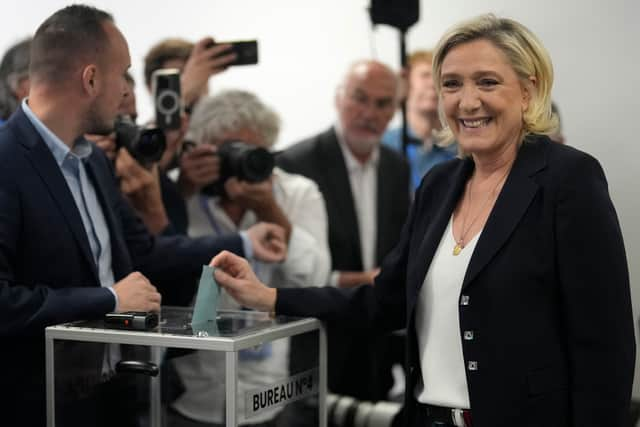
Instead, pre-election polls suggest that National Rally is gaining support and has a chance of winning a parliamentary majority. In that scenario, Mr Macron would be expected to name 28-year-old National Rally president Jordan Bardella as prime minister in an awkward power-sharing system known as “cohabitation”.
While Mr Macron has said he will not step down before his presidential term expires in 2027, cohabitation would weaken him at home and on the world stage.
Predictions are extremely difficult because of the complicated voting system, and because parties will work between the two rounds to make alliances in some constituencies or pull out of others.
In the past such tactical manoeuvres helped keep far-right candidates out of power. But now support for Ms Le Pen’s party has spread deep and wide.

The party has also questioned the right to citizenship for people born in France, and wants to curtail the rights of French citizens with dual nationality. Critics say this undermines fundamental human rights and is a threat to France’s democratic ideals.
Meanwhile, huge public spending promises by National Rally and especially the left-wing coalition have shaken markets and ignited worries about France’s heavy debt, already criticised by EU watchdogs.