
Fara Williams feels Lionesses are less representative now than when she played
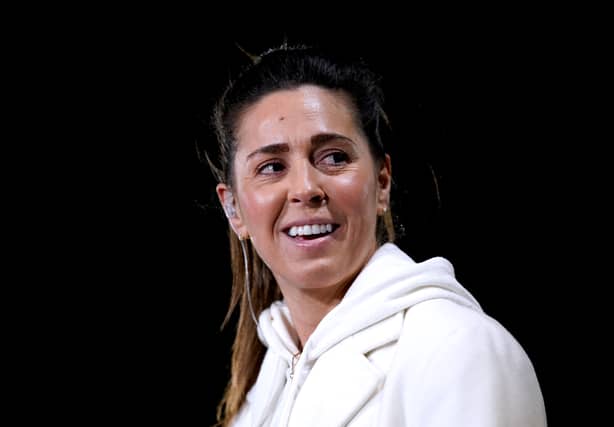

Fara Williams feels diversity has taken a step back since she and the other football-mad kids on her Battersea estate replicated Wembley finals in cages and dared to dream of one day playing in the real deal.
The 40-year-old, England’s most-capped footballer of either gender, made her Lionesses debut as a 17-year-old in 2001 and hung up her boots two trophy-laden decades later.
Much has improved as women’s football has evolved into what the ex-midfielder’s former England team-mate Karen Carney last year declared could become a billion-pound industry – but Williams is wary that an increasingly elite game also risks leaving less-privileged girls behind.
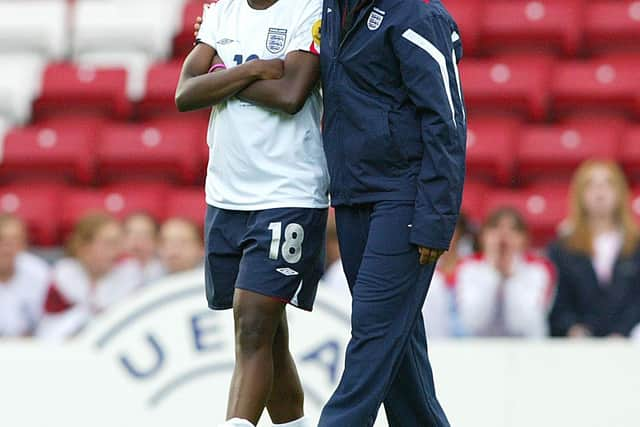
“And so when you think about being relatable to everybody, I don’t think the Lionesses quite represent that now. I feel like it was more represented when I played than it is now but I also understand that the game has changed massively.
“The more elite it’s got, the more expensive the game has become in terms of trying to afford to play, trying to afford one-to-one personal trainers, it’s more expensive.
“And so when you are from an underprivileged area, in terms of accessibility for that, I think you’re putting barriers in a way for underprivileged people to participate.”
Last year, a report conducted by the BBC estimated that black, Asian and minority ethic players made up a maximum of 15 per cent of those signed to WSL clubs, while the Lionesses remain overwhelmingly white.
The FA has acknowledged challenges with representation across the women’s game and have taken steps they hope will accelerate change, including a significant overhaul of the performance pathway early last year to tackle barriers like travel distance to training centres and access to elite-level coaching.
Winning clubs in this weekend’s Adobe Women’s FA Cup quarter-finals will receive £90,000 from a near-£6 million prize pot that has more than doubled since last season’s edition, with this year’s champions receiving £430,000 alongside the trophy.
In November, tech giant Adobe signed on as the competition’s title sponsor for the next three years, becoming the latest major brand to specifically back a women’s sporting event.
Last year also marked a first Wembley sell-out for the final, with a record crowd of 77,390 turning out to watch Chelsea lift the trophy for the fifth time in their history.
Williams scored an own goal in her first FA Cup final and lost three more before finally lifting one with Everton at the City Ground in 2010 but it was winning her second with Arsenal in 2016 that remains the highlight.
Wembley only took over hosting duties for the trophy contest in 2015, so for Williams 2016 was a first chance to fulfil what was once an impossible childhood fantasy – even if it came at the expense of runners-up Chelsea, who she grew up supporting.

So while Williams will continue to advocate for the “more diverse thinking” she feels is critical to ensuring progress doesn’t stall, revisiting her own Wembley triumph does remind her about just how far things have indeed come.
She said: “That was the ultimate dream. Even more so than winning the league. Walking the Wembley steps was something that, certainly in my era, I never thought would be achievable.
“And now it’s becoming a regular thing at Wembley. We played I think in front of 40,000. Now to do a sell-out, it’s amazing.”