
Farne Islands’ seabird spectacular to be shown on webcams
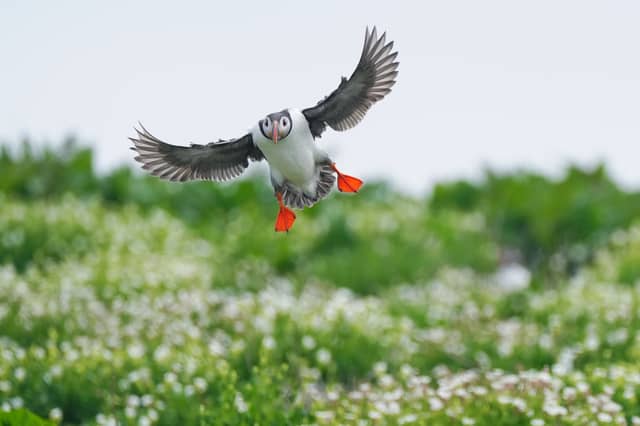

Wildlife lovers will be able to get a close-up view of the spectacular sight of thousands of seabirds gathering on the internationally important Farne Islands.
To mark the centenary of the National Trust taking over the islands off the Northumberland coast, the conservation charity is setting up two webcams so people can watch the seabird breeding season.
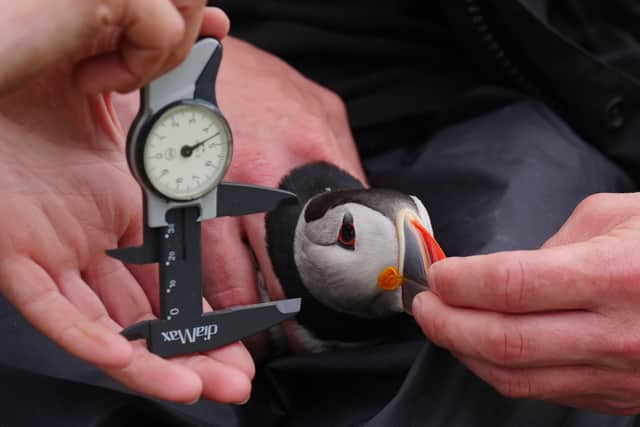
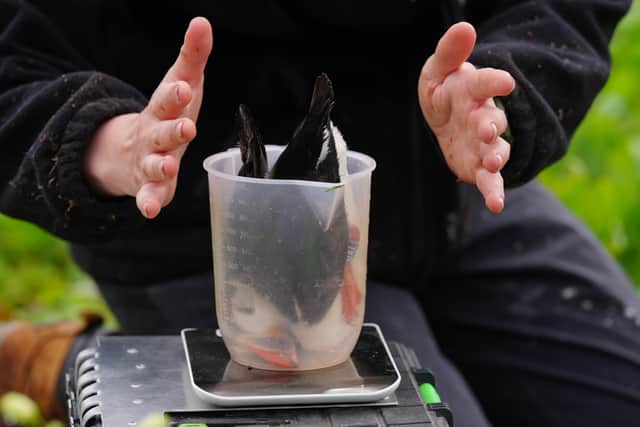
National Trust rangers will carry out the annual puffin count to monitor the number of breeding pairs.
The wildlife haven, accessible to visitors by boat from Seahouses, is made up of as many as 28 islands depending on the tide and is home to 23 species of seabirds.
Human visitor numbers have been restricted in recent years, firstly by the Covid lockdown and then by avian flu which badly affected some species.
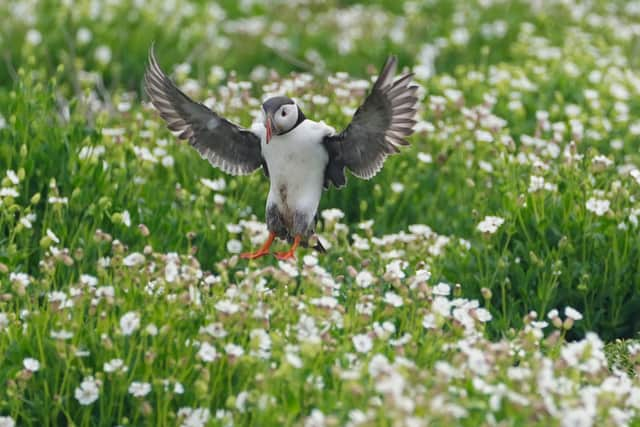
Area ranger Sophia Jackson said: “In this significant year we want more people to become ‘watchers’ of this annual spectacle to have a window into this unique world.
“We hope by seeing the birds, people will be inspired to visit in person one day, but also to realise just how special these wild isles are, and how we must do all we can to ensure these islands and bird species have a long and healthy future ahead.”
The trust took over ownership in 1925 from the Farne Islands Association and it has been monitoring seabird numbers since the 1950s with the data used to direct conservation work.
Regarding the next 100 years, the ranger added: “We are doing the best we can to ensure all our seabirds have a bright future.
“But climate change, especially its impact on the severity of winter storms, and extreme weather events are the biggest threats facing both our seabirds and seal populations.
“Summer storms resulting in heavy rain at the wrong time of year can flood puffin burrows on the islands, as well as impacting how the birds fare when on their migrating routes.
“Winter storms can also wash seal pups off the rocks and several pups perished when Storm Arwen hit the islands in 2021.
“Warming sea temperatures and the availability of the seabirds’ food sources, as in different sorts of fish moving further northwards to find cooler temperatures, also means that the birds are expending more energy to seek out the food, and also spending more time away from the nest resulting in starvation or abandonment of young chicks.”