
Ferguson Marine contract will ‘contribute to future of yard’, says Swinney
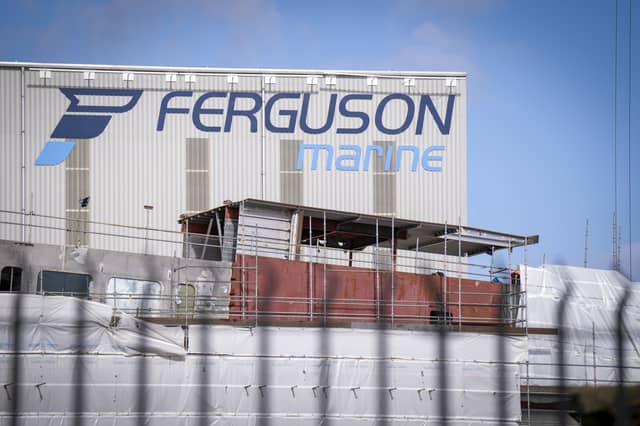

A contract for Scottish Government-owned Ferguson Marine to build sections of a Royal Navy warship will contribute to the “future security of the yard”, the First Minister has said.
It was announced on Wednesday that the Port Glasgow shipyard would build three structural units for a Type 26 Destroyer being built at the BAE shipyards in Glasgow.
The news came as the beleaguered yard, which has been at the centre of a political firestorm since its 2019 nationalisation over the over-budget and massively delayed Glen Sannox and Glen Rosa ferries, faced concerns over its future.
Earlier this year, it missed out on a contract to build seven smaller ferries for the west coast fleet to a Polish yard and, until the announcement on Wednesday, had no more work lined up for after the completion of the Glen Rosa – which is due to be delivered early next year.
It is not known how much the contract is worth to the yard, how long the work will take to complete, or even what sections of the ship will be built in Port Glasgow, but First Minister John Swinney welcomed the announcement.
“I welcome their success because what it helps to contribute to is the future security of the yard and safeguarding the employment of the yard, which is central to the Government’s aspirations for the future of the facility,” he said.
The Government has been consistent in saying it hopes to be able to return the yard to the private sector once such a move becomes viable.
Scottish Secretary Ian Murray claimed the announcement was part of a “defence dividend” from the UK Government.
“Shipbuilding on the Clyde is thriving thanks to UK Government investment in defence,” he said.
“This Royal Navy contract going to Ferguson Marine is great news for the workers there, who will play a key role in keeping our country safe.
“This is the UK’s defence dividend in action for Scotland.”
The Scottish Tories claimed the Scottish Government’s praise for the announcement exposed “hypocrisy” among ministers, who have stood by the policy of not spending public funds on the production of munitions.