
Fewer Scots leaving home and travelling than before pandemic, survey finds
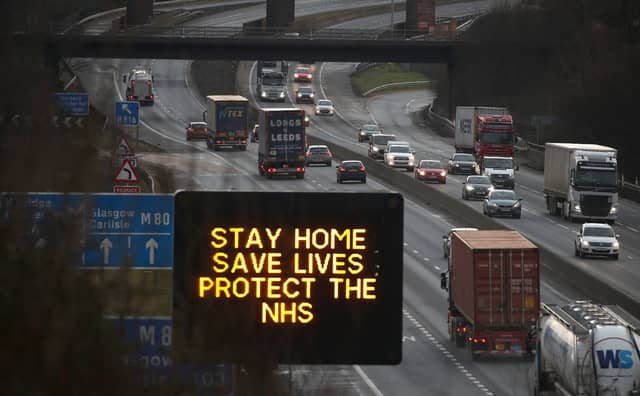

The number of Scots leaving their homes and travelling remains far below pre-pandemic levels, a survey has found.
Figures released by Transport Scotland on Wednesday show people in Scotland are still more likely to remain in their homes post-Covid.
In 2023, 64% of people reported making some form of journey the day before being interviewed for the study.
The number represents an increase from 2022 (61%) but remains markedly lower than the 2019 figure of 74%.
The average number of journeys made the day before the survey interview dropped from 1.9 in 2019 to 1.6 in 2023.
The Transport and Travel in Scotland report suggests the post-pandemic boom in home-working may be playing a big role in the change.
Last year, the proportion of employed people who described themselves as working at or from home was 29%.
This is similar to 2022 (31%) but nearly double the rate in 2019 at 16%.

When people did travel, more than half (51%) did so by driving a car or a van – down from 55% in 2022.
Walking was the next most common mode of transport and saw a rise from 23% of journeys in 2022 to 25% in 2023.
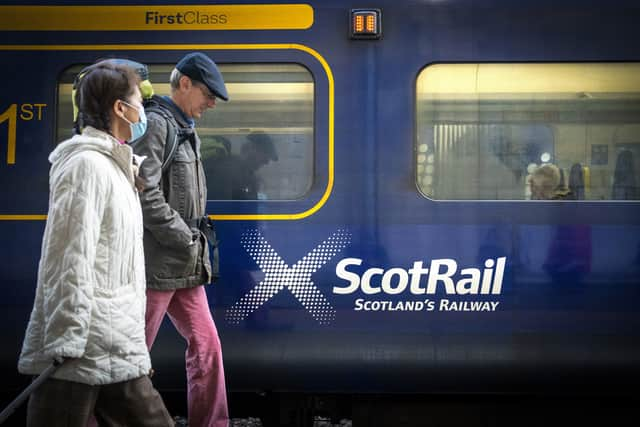
Some 12% of journeys were made as a car or van passenger, 7% by bus and 2% by rail.
Meanwhile, the survey also found satisfaction among public transport users is on the rise but still remains below pre-Covid levels.
The proportion of all survey respondents stating they were very or fairly satisfied with public transport in 2023 was 64% – an increase from 2022 at 58% but lower than in 2019 at 68%.
The survey also found an increase in respondents who owned an electric vehicle.
The number of driving licence holders who reported owning an electric vehicle in 2023 stood at 4.7%.
This is an increase from 1.6% in 2019 and 0.3% in 2016.
However, there was also an increase in the percentage of drivers who said they would not consider buying an electric car, which rose from 42% in 2022 to 54% in 2023.
When asked their reasons for not considering buying a plug-in electric car or van, the most common answer given was the cost of vehicle purchase (52%), followed by availability or convenience of charging points (48%) and how long the battery lasted (42%).