
Five new offences proposed as ‘important step’ in challenging misogyny
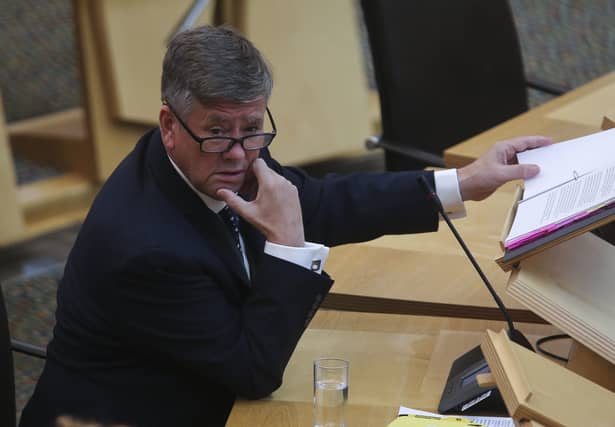

Scotland could see five new laws created aimed at tackling misogyny – with Justice Secretary Keith Brown saying the proposed reforms would be an “important step” in challenging the problem.
The Scottish Government has launched a consultation on the proposed reforms, which could see sending threatening or abusive messages to women and girls which refer to rape, sexual assault or disfigurement become a specific crime.
The consultation – which was announced on International Women’s Day – also proposes making stirring up hatred against women or girls a new offence.
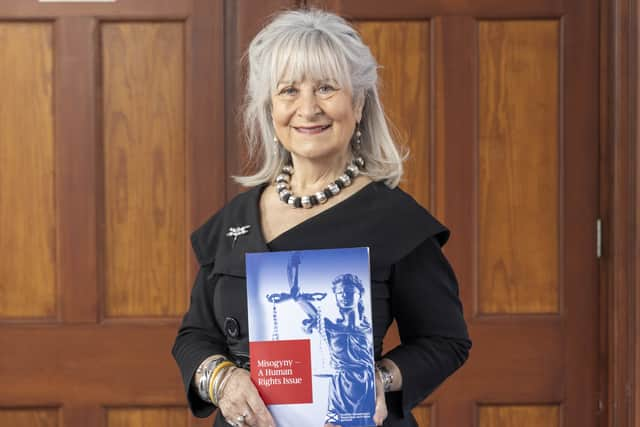
The changes come after the Scottish Government commissioned barrister Baroness Helena Kennedy KC to lead research into misogyny in Scotland.
The report, published last year, was “stark in its assessment of the level of misogyny that exists in Scotland”, Mr Brown said.
The Justice Secretary stated: “Women and girls are routinely humiliated, touched, groped, undermined, trolled and objectified both online and off, and subjected to threats, harassment and abuse about their looks or desirability – stopping them from fully participating in society.”
He added that while there are currently a number of laws that can be used to deal with this, “these do not accurately identify the particular harm caused by misogyny”.
The changes being consulted on would create an offence of misogynistic harassment – making it a criminal offence for a person to subject a woman, girl, or groups of women and girls to such behaviour.
Meanwhile, a separate offence of misogynistic behaviour is also proposed in a bid to deal with actions which are likely to cause fear or alarm, degradation, humiliation or distress to women or girls – with this offence covering behaviour that is not targeted at a particular female or group of females, which would be treated as harassment.
Misogyny would also be made a statutory aggravation for other offences, so that where this was a motive for crime this could be recorded and taken into account in any sentence handed down by the courts.
Mr Brown added: “While criminal law reform alone cannot be expected to eliminate misogynistic abuse, or the attitudes which perpetuate it, these specific criminal protections are an important step in challenging society’s – and particularly men’s – tolerance of misogyny.”
Baroness Kennedy said she would “strongly encourage as many women as possible to participate in this consultation”.
She said: “For too long the law has not been drawn from the experience of women.
“It is time to hear from girls and women about what they think should be included in law so that they can be treated as equals and live free from abuse and denigration.”