
Gay priest says conversion therapy after move to UK felt ‘oppressive’
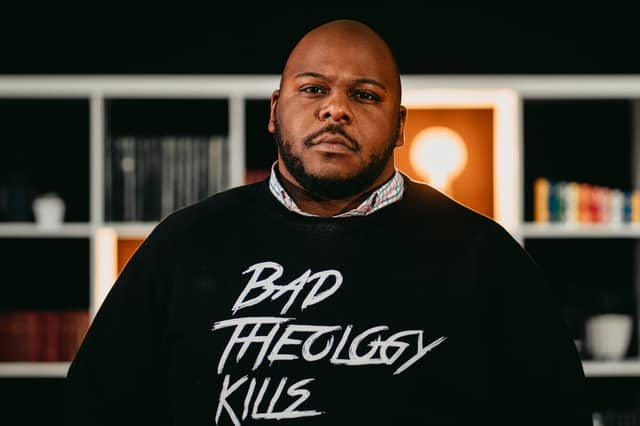

A gay priest said his experience of conversion therapy felt “oppressive” after he was encouraged to attend weekly meetings for people “struggling with their sexuality” by a church in Liverpool a decade ago.
Augustine Tanner-Ihm, 33, moved to the UK from Chicago in 2013 and became an intern for a Liverpool church where conversion therapy made him feel “that a part of [him] was always going to be wrong and bad”.
Mr Tanner-Ihm told the PA news agency that he now works as a priest for three churches in Manchester where he “can just be myself” and said “as a survivor and a minister, I think it’s best that [conversion therapy is] banned for all people in the UK”.
Conversion therapy is the practice of attempting to convert a non-heterosexual person to heterosexuality using methods like psychoanalysis and religious counselling, and has been condemned by LGBT+ charities like Stonewall.
A Government survey published in 2017 found 7% of UK LGBT people had been offered the therapy.
The Government has committed to banning conversion therapy but it has not yet banned the practice.
Mr Tanner-Ihm started conversion therapy when he joined a Liverpool church at 23 and told members that he was “struggling with [his] sexuality” in order to receive “help”.
He said: “They were like, ‘oh, that’s fine. We have a group for people that struggle with their sexuality’, and when I got there, I realised it was conversion therapy.”

He said: “They met at someone’s house and they met once a week with a range of people – people who were single, people who got married to people of the opposite sex – and very much the goal was for you to be able to marry the opposite sex.”
He described the meetings as “kind of like a support group,” adding: “People talked about different ways of dealing with things. People talked about their own struggles and talked about total deliverance that God can give. [There was] a lot of prayer. Quite intense prayer.
“They put it in my schedule, that I was going to go, but then after a while, I realised it was expected for me to go.”
Mr Tanner-Ihm described the highly emotional conversion therapy meetings as “oppressive” and said he was particularly vulnerable as he was “an intern from another country and [his] visa was in their control”.
After repeatedly questioning some of the points made during the conversion therapy sessions, Mr Tanner-Ihm said he was perceived as a “troublemaker”.
He said: “I was always the person to question everything … and I don’t think they wanted someone to do that.”
He returned to the US when his visa expired and lived there for over a year, before moving back to the UK.
Mr Tanner-Ihm said he wrestled with his sexuality “every single day” as he grew up in poverty in a predominantly black community in Chicago with “quite religious” Jehovah’s Witness parents.
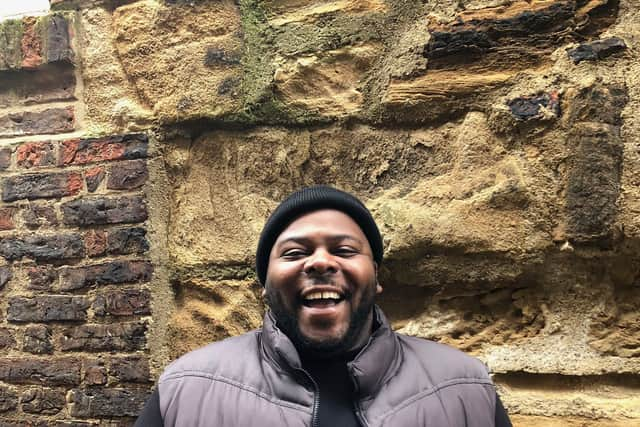
Soon after becoming a Christian, he told a man who was mentoring him that he was gay and was given a book “about how people can change from being homosexual to heterosexual” which he “sunk into” in an effort to change his sexuality.
He said: “I was 14 and I think I was really vulnerable, really fragile, and I just wanted help because I saw, through my black culture, through the religion that I came from and the religion I went into, and wider society, that this was bad.”
After undertaking a year-long stint as an intern in Liverpool, he later returned to the UK in 2015 and lived in several parishes before eventually settling in Manchester, where he is now a priest for three churches.
He said his attitude towards his sexuality has changed “massively”, adding as he undertakes his duties as a priest, “I can just be myself. It’s really quite lovely”.
Although Mr Tanner-Ihm’s feelings about his sexuality have transformed and societal attitudes towards homosexuality have “drastically changed”, the minister still feels the effects of conversion therapy.
He said: “It has caused a lot of pain and suffering, and I continue to deal with the ramifications of conversion therapy.”