
Ghost palms and toothy toadstools among species named by Kew scientists in 2024
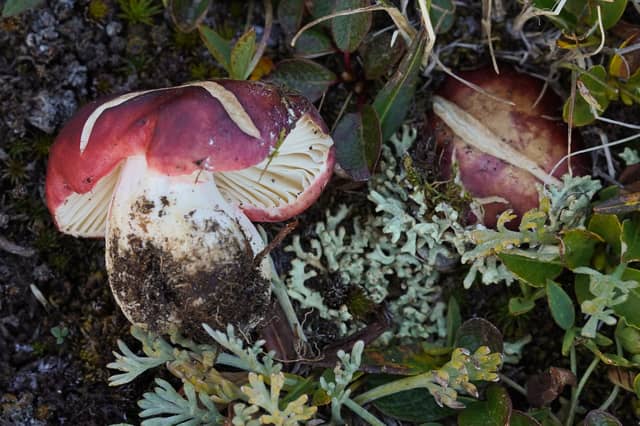

More than 170 plants and fungi previously unknown to science have been named for the first time in 2024 by scientists from the Royal Botanic Gardens, Kew and their partners.
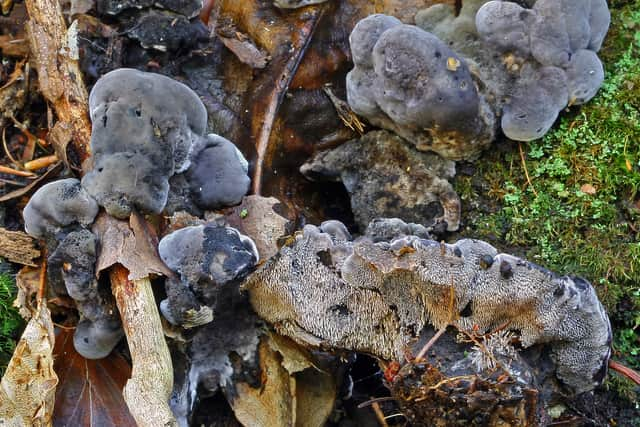
New finds of toothy toadstools from the UK, orchids from across Indonesia and climbers from tropical Asia are among the list of 149 plants and 23 fungi discovered across almost every corner of the globe.
Dr Martin Cheek, senior research Leader in Kew’s Africa team, said: “The sheer privilege of describing a species as new to science is a thrill that not many will ever get to experience.”
But he added: “The devastating reality is that more often than not, new species are being found on the brink of extinction and it’s a race against time to find and describe them all.”

“Biodiversity loss is a crisis that affects us all: every unknown species we lose could have been a potential new food or new medicine that we never even knew existed.”
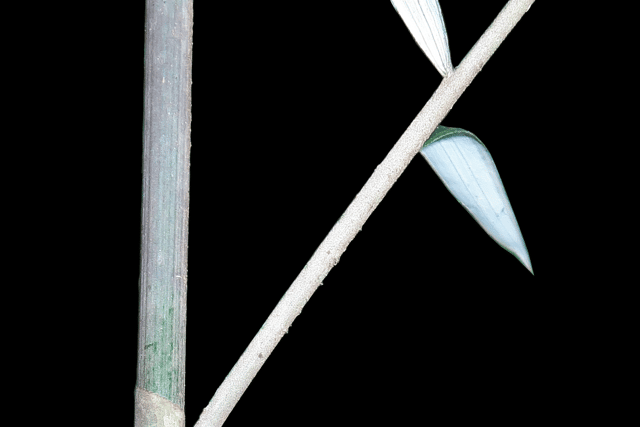
Of the dozens of newly-named species, the Kew scientists highlighted marzipan-scented lianas and a ghostly palm from the island of Borneo.
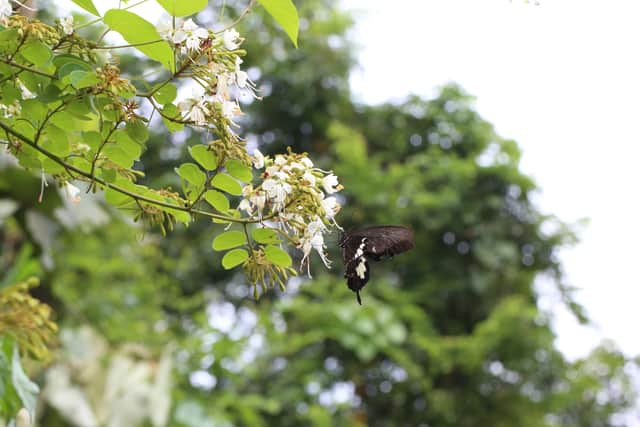
But several of the new species are already at risk of extinction, such as a species of Vietnamese liana that is threatened by the clearing of its natural habitat for the manufacture of cement.

Where conservation in situ is impossible, they may collect plant material so that Kew’s horticulturists can breed them in the Living Collections at the gardens in west London, or conserving their seeds at the Millennium Seed Bank at Kew’s wild botanic garden Wakehurst in Sussex.
Kew warned that the scale of the challenge is immense, with scientists globally describing an average 2,500 new plants and 2,500 fungi each year.
Dr Anna Bazzicalupo, research leader in comparative fungal biology at RBG Kew, said: “Identifying new species of fungi is a colossal but increasingly important task as we estimate more than two million species are waiting to be described, and an overwhelming number of them are likely threatened with extinction, meaning they may disappear before they are even recognised.”
But Dr Bazzicalupo said there have been many positive developments in 2024, including the international fungal conservation pledge to protect and conserve fungi, made at the UN biodiversity summit Cop16 in Colombia in November.