
Government to reopen competition for small modular reactors


The Government is revamping a plan to sponsor the development of small modular reactors (SMRs) to help expand the UK nuclear industry.
A competition was first held in 2015 when then chancellor George Osbourne said £250 million would help finance innovative SMRs that can be transported easily and built quicker with less cost than a traditional large reactor.
But the Government never followed the idea through to completion so SMRs are yet to become operational in the UK.
Now, through a new organisation called Great British Nuclear (GBN), it wants to reopen the competition – with the first stage beginning in April – and hopes to assess and decide on the leading technologies by autumn.

Their greatest advantage lies in their small size and modularity, so prefabricated units can be assembled and taken to locations unsuitable for larger plants.
They also use less fuel, cost less than larger reactors to build and have a simpler design, which in theory should reduce the delays typically found in constructing large plants.

Russia is the only country to have operational SMRs, with two 35 MW(e) reactors on a ship in eastern Siberia running since May 2020.
More are either under construction or in the licensing stage in Argentina, Canada, China, Russia, South Korea and the US, the International Atomic Energy Agency said.
It also said it will bring the Sizewell C nuclear project in Suffolk to the point of a final investment decision this year.
The nuclear announcements came with the release of the Government’s revised net zero strategy and energy security plan, called Powering Up Britain.
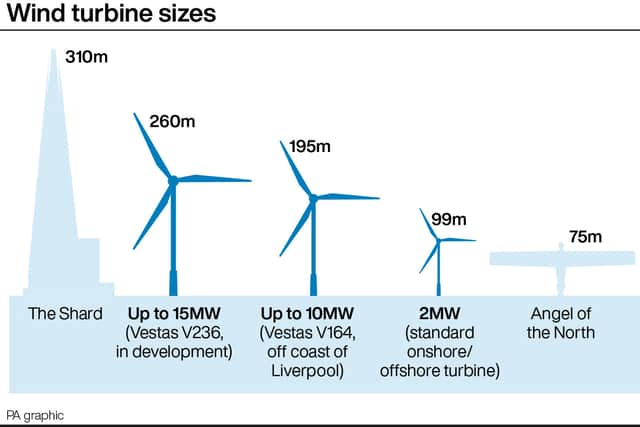
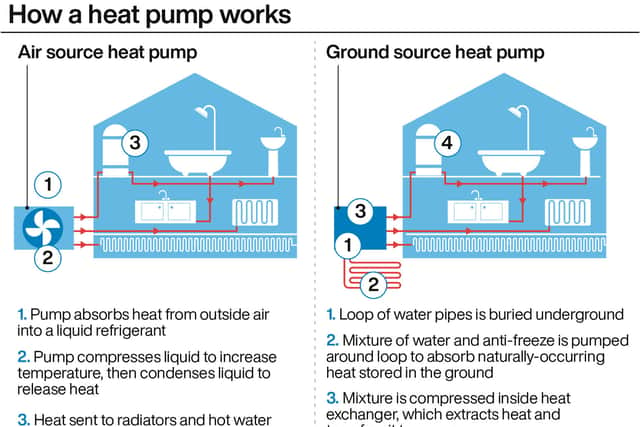
Critics said the plan fails to embrace simpler and cheaper solutions to becoming net zero, such as lifting the ban on onshore wind and upgrading home insulation.
Sue Ferns, senior deputy general secretary of the union Prospect, called the plan a “paring down of ambition.”
“Ministers are allowing the UK to fall behind in the global race for green jobs and industries. They are doing too little to address the race to the bottom on costs in the offshore wind industry that is putting clean energy projects at risk.
“We are also yet to see a comprehensive strategy for decarbonising the power sector by 2035, which depends on rapidly accelerating investment in our energy networks.”