
Grandma given five years to live after nosebleed caused by incurable cancer reaches remission for first time in 21 years
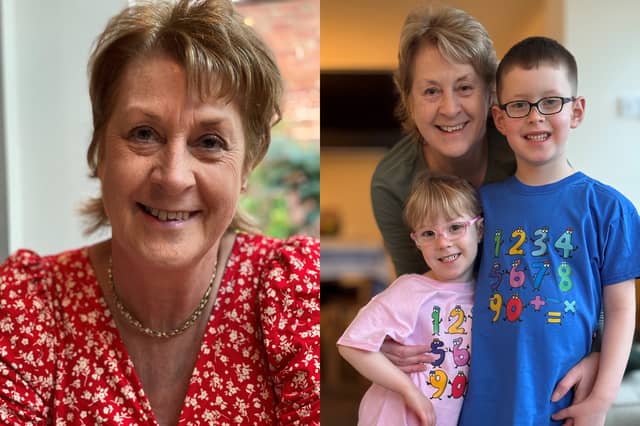

A grandmother given five years to live after a sudden nosebleed prompted an incurable cancer diagnosis has now reached remission for the first time in more than two decades.
Kathryn Oddie, 63, a retired practice nurse from Mansfield, Nottinghamshire, was diagnosed with the incurable blood cancer myeloma in 2000 after getting a nosebleed, and she was initially given up to five years to live.
Over the following two decades, Kathryn had countless lines of therapy, most of which were trials, and she suffered infections which left her in hospital “every week or every other week”.

Within around six months of taking this “life-changing” treatment called teclistamab, Kathryn finally received the news she had reached remission for the first time in 21 years.
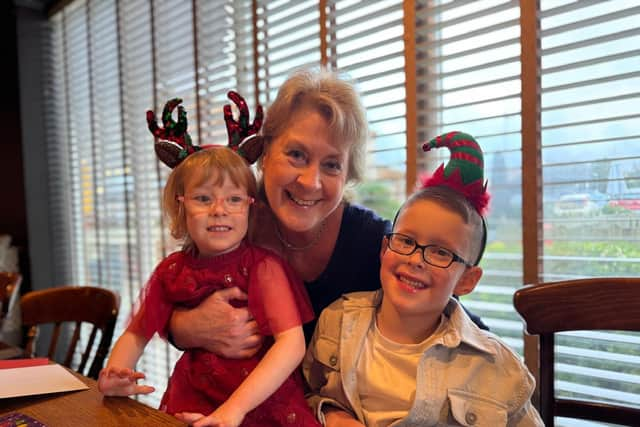
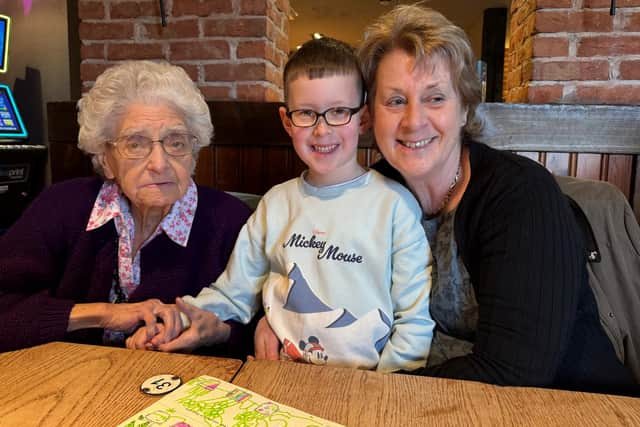
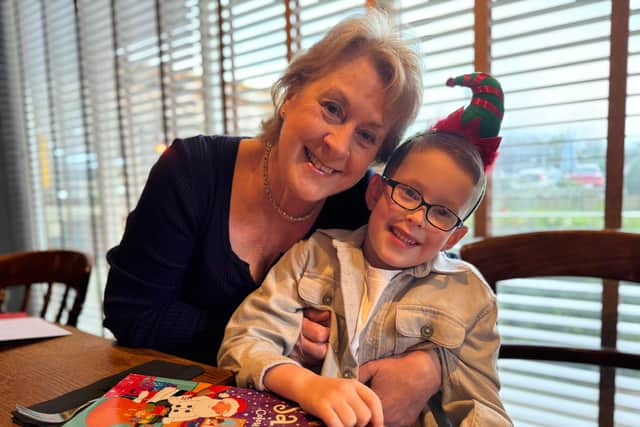
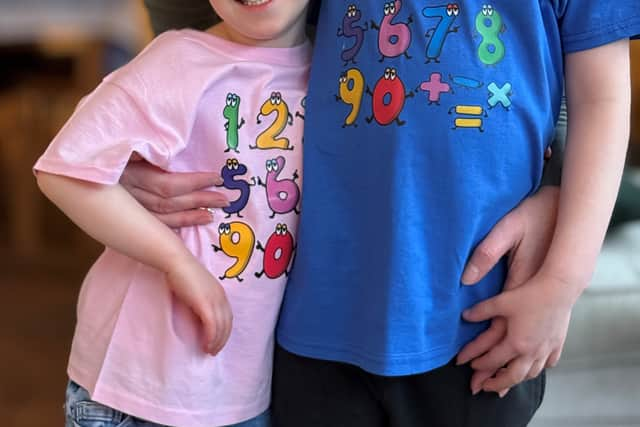
While the cancer and intensive treatments have been “gruelling”, and there is a possibility the disease could return, Kathryn now wants to focus on the memories she is yet to make with her two grandchildren, George, seven, and Hattie, four.
“I remember a consultant once told me, ‘My main goal is to get you to 40’,” Kathryn told PA Real Life.
“Never in a million years did I think I would be standing at the school gate taking my grandchildren to school.
“We have them with us two days a week and, when they see us, they run to us.
Prior to her diagnosis, Kathryn explained that, other than having her appendix removed, she had never experienced any major health issues.
However, in 2000, aged 38, everything changed when she had a sudden nosebleed at work – something she had never experienced before.
“I was at work and my nose kept trickling all day,” Kathryn said.
“Then when I got home, we were sat having dinner and my husband said, ‘Poor thing, your nose is bleeding’, and I said, ‘Oh, yeah, it’s been bleeding all day’.”

She had a blood test, which revealed she was anaemic, and she was prescribed iron tablets that same day.
However, when she returned to work after the weekend, her boss said to her: “You’d better go home.”
Kathryn said: “I didn’t know what was wrong, but I knew it was serious.
When Kathryn visited her local hospital, she underwent further tests, including a bone marrow biopsy, and was informed she had myeloma.
She described the diagnosis as “devastating”.
“Within a week, I had a nosebleed and I was on chemotherapy,” she said.
“I went from being the nurse, being in charge, to being the patient – it was absolutely mind-blowing.”
Treatment can lead to periods of remission, but the cancer will inevitably come back.
Kathryn’s consultant told her the cancer was “treatable but not curable”, but there were limited treatment options available at the time.
She underwent chemotherapy and put her name forward for every clinical trial and treatment available to her over the following years, including two stem cell transplants.
“There was nothing on the NHS, so I went from trial to trial – and I jumped at the opportunity,” she said.
“At times no drugs were available, and I had to wait for the next trial or drug Nice had approved.
“That’s when you begin to think, ‘Is this it? Is there anything else available for me?'”
However, when her consultant reached out to a former colleague at UCL in London to ask about new clinical trials, it was discovered a new experimental drug called teclistamab was under way.
Kathryn enrolled in January 2021 and, within around six months of taking the drug, she was told she was in remission for the very first time since her diagnosis.
She believes she was one of the first people to take the “miracle drug” in the UK.
“It was relief, but not elation,” she said.
Kathryn explained that, initially, the side effects from the drug were “terrible”, and doctors questioned whether to continue as they had concerns about her “quality of life” going forward.
However, since the drug helped to keep the “myeloma at bay”, she decided to continue and is now on a reduced dosage.
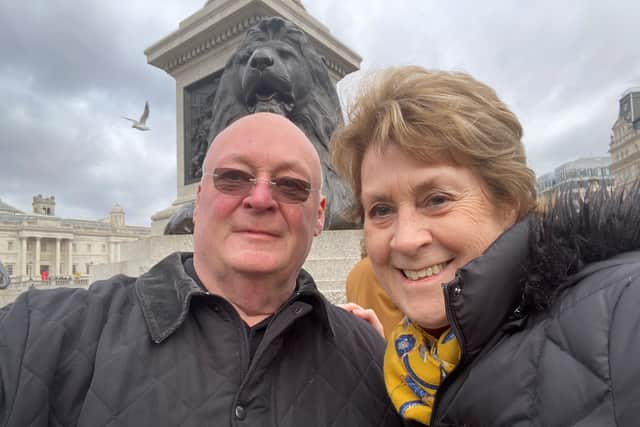
She said the “wonderful” support of her husband Andrew and family has kept her going over the past two decades.
“I’ve missed a lot of things, but I’ve seen a lot,” she said.

Kathryn said the care she has received has been “second to none” and she hopes she can be an inspiration for others diagnosed with incurable cancers.
Having joined forces with the charity Myeloma UK, she wants to help raise more awareness of myeloma and the importance of research into new drugs.
Speaking about her life now, Kathryn said: “Things have changed but you get used to a new type of normal.
“You can’t plan the way you used to but, with teclistamab, I can now continue being a wife, mother and grandmother.”
For more information and support, visit: www.myeloma.org.uk.