
Grandmother ‘trapped’ in own home after £13k rogue insulation job leaves her with £20k repair bill and unable to sell
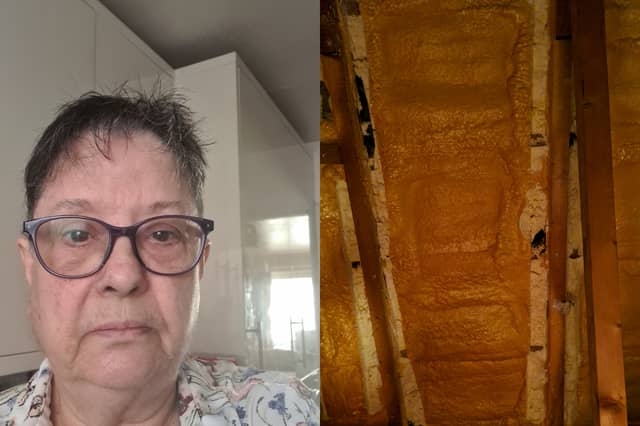

A grandmother is “trapped” in her home after paying rogue builders more than £13,000 to remove spray foam insulation, leaving her with a leaking roof, a £20,000 repair bill, and no certification – meaning she is unable to sell.
Patricia Salt, 76, who lives in Brentford, west London, said she and her late-husband, John, had spray foam insulation installed on their 1980s end terrace three-bedroom property in 2006, to make their home more energy efficient.
They found the insulation worked perfectly, but nearly two decades later, after her husband’s death, Patricia said she was cold-called by a firm claiming the insulation could cause serious damage and paid £7,770 for its removal, using a bank loan.
However, she discovered most of the spray foam had not been taken out, and after paying £5,760 for it to be removed properly, she has been left without the certification needed to prove the work was done.

Patricia, a retired office administrator and translator, said there has also been further damage to her roof – it is currently leaking, and she has been quoted £20,000 for a full replacement.
Patricia, a mother of two and grandmother of four, told PA Real Life: “I used to have black hair before this, now I’m grey.
“I feel trapped in my own home, I’m just completely stuck.
“All I keep thinking is, when I was working, if I was as unprofessional as all these builders, I would have been sacked over and over again.”
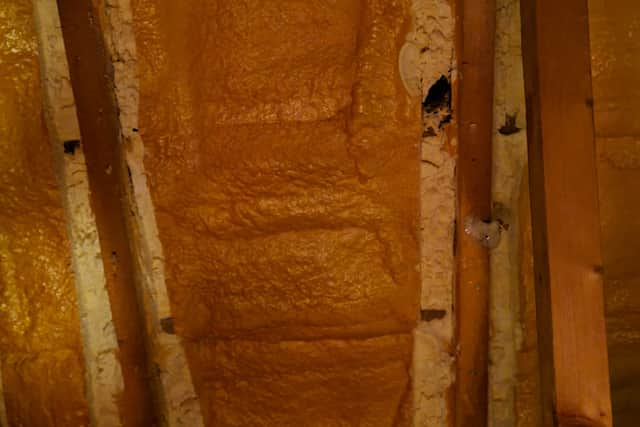
Spray foam is a chemical product made from two materials which, when combined, expand to 30-60 times their liquid volume, filling gaps and hard-to-reach spaces.
She said the insulation was initially “perfect” – during the winter, their house would be the only one on the street where snow remained on the roof, suggesting very little heat was escaping.
In 2023, John passed away at the age of 79, around a week after suffering a stroke – and the following year Patricia underwent a hip replacement, which she found “very stressful”.
Patricia said in June 2025, she received a cold call from a housing company, which she does not wish to name, claiming to be government-backed.
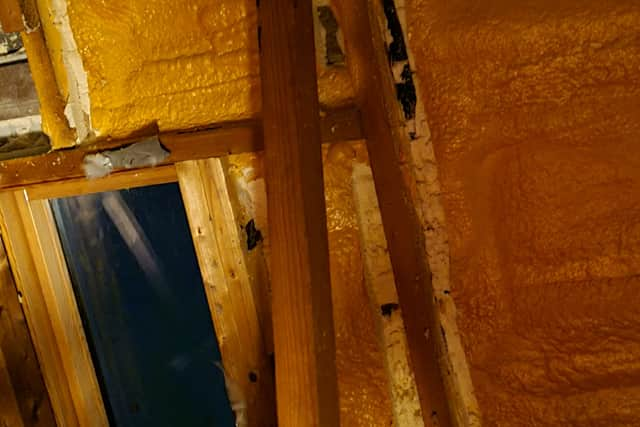
Patricia said a surveyor, recommended by the caller, visited her home and reported that the insulation was “rock solid” and had prevented proper ventilation of the rafters, creating a risk of rot and potential roof collapse.
This often occurs if closed cell spray foam – which sets into a solid and has been used in the past to glue old, poor condition roofs together – has been used rather than open cell spray foam insulation.
She said builders, recommended by the surveyor which she does not wish to name, subsequently quoted £7,770 to remove the spray foam insulation and replace it with foil quilt insulation.
She decided to go ahead, and took out a bank loan to cover the cost.
She said: “They were very quiet, they hardly said a word.
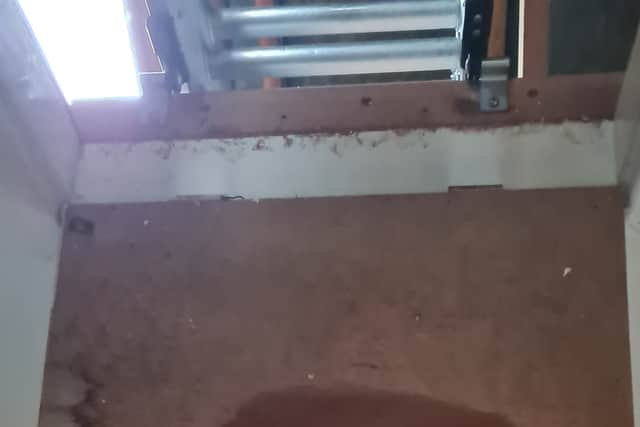
“They put a foil-covered quilt on the roof, so I couldn’t see the internal work they’d done.
“As far as we knew, they had done a good job and removed all of the spray foam.
“Because of my hip I couldn’t get up the ladder and look for myself.”
Patricia said she does not know whether the original cold caller was legitimate or whether they may have been linked to the surveyor and builders as part of a wider scheme.
She said: “They had no record of a certificate being issued to confirm the work had been carried out, so they sent another surveyor.
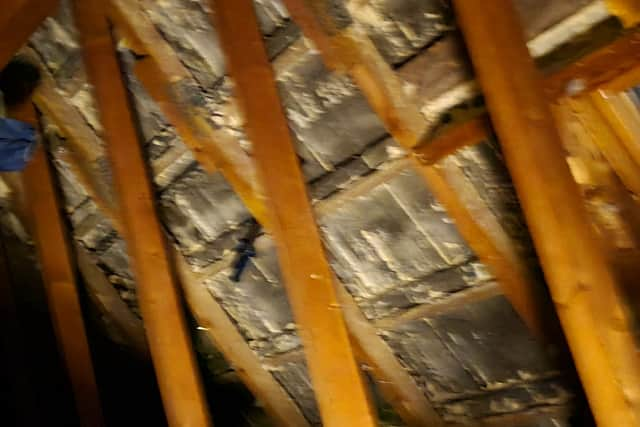
“They found that almost all of the foam was still there, apart from a tiny portion that had been dug out alongside the rafters.
“I was very, very cross.”
Patricia said her family were also “very angry”, and that when she tried to contact the builders, she discovered they had changed their company name several times.
Patricia claims they did not respond to any of her calls.
She brought in another roofing company a few weeks later, who successfully removed the remaining spray foam insulation for £5,760, but she is still waiting to receive a certificate confirming the work.
Patricia said she has since contacted a roof specialist in an attempt to obtain certification, but after being told he was “looking into it” via text message, she has not heard anything further.
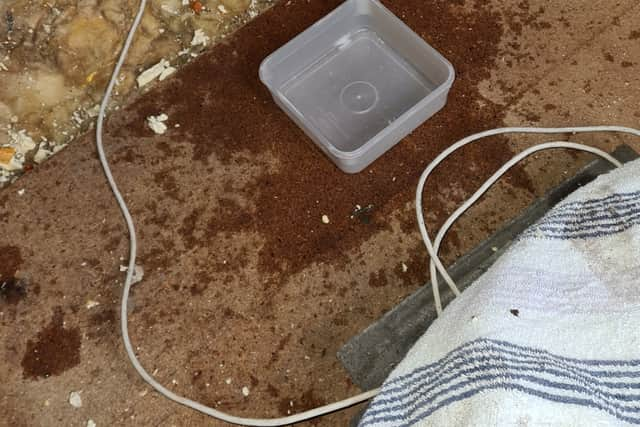
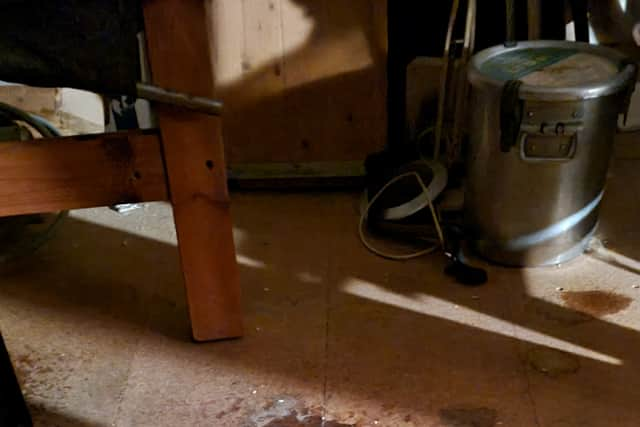
She said that during the successful removal work, the new builders identified several cracked roof tiles, which has since caused leaks.
Luckily the damage has been limited to the attic and has not affected the main living areas of the house, besides one small area of Liam’s bedroom.
She said the builders recommended a full roof replacement at a cost of £20,000.
Patricia said she explored releasing equity from her home to pay for the repairs, but has been unable to do so because she does not have a certificate to show the spray foam insulation has been removed.
She said she has since set up a fundraiser to try to raise the money needed for a new roof.
Patricia said she considered moving out, but when she approached estate agents to begin the process, she discovered she could not proceed due to the missing spray foam certificate.

As tenants in common you can own different shares of the property, your share of the property does not automatically go to the other owners if you die, and you can pass on your share of the property in your will.
She said: “We both had the same arrangement in our wills.
“It was intended to protect our children, in case the widowed partner remarried, so that everything would not pass to a new spouse’s children.”
She said she is currently seeking legal advice to resolve the tenancy issue, but even if she is able to sell, she will still require a certificate relating to the insulation work.
She said: “I’m tearing my hair out over it, I just feel so stuck.”
To donate to her fundraiser, visit: www.gofundme.com/f/help-grannie-salt-save-her-home.