
Greek zoo serves up frozen meals to animals to help them beat the heat
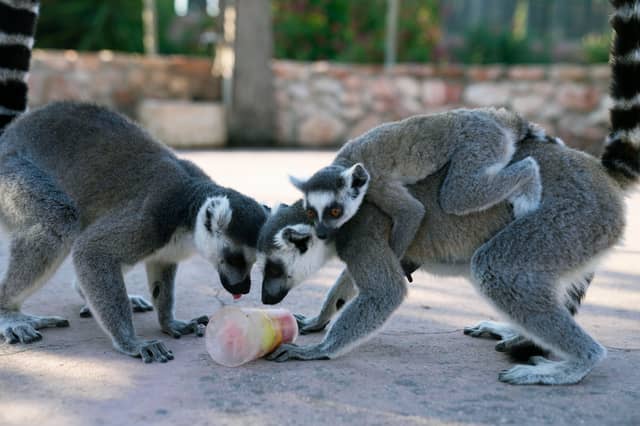

A zoo outside Athens is feeding animals with frozen meals to help shield them from the searing heat as sweltering temperatures return to Greece.
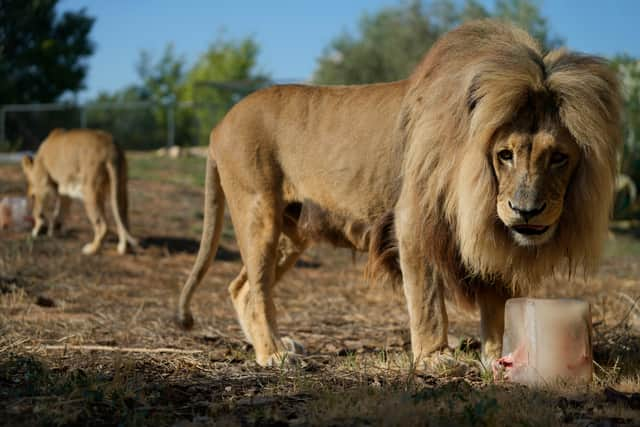
Tiembe the lion’s breakfast at the Attica Zoological Park on Friday consisted of chunks of red meat and bone packed in a foot-long block of ice.
The 15-year-old Angolan lion studied his frozen breakfast with hesitation before eventually licking the ice and gnawing pieces of meat free.
The extreme temperatures and wildfires – a growing concern for biodiversity in southern Europe – have had an impact on Greek wildlife.
A fire on the island of Rhodes burned for 11 successive days, triggering the evacuation of 20,000 people, mostly tourists.
The island’s animals were less fortunate.
As the fire tore through mountain forests and a nature reserve, an estimated 2,500 animals and beehives were burned, along with 50,000 olive trees, according to Agriculture Ministry officials.

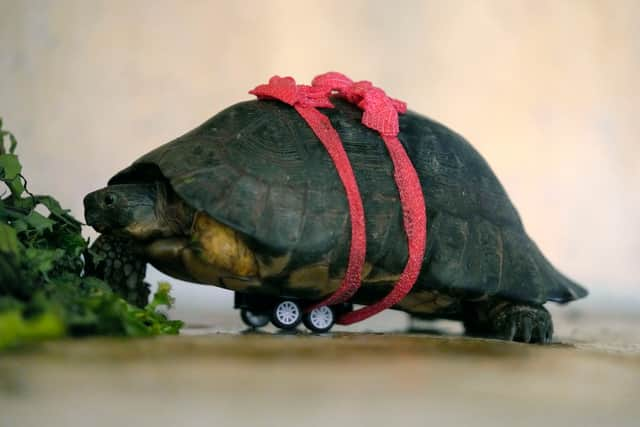
The zoo, which is about 30 kilometres (20 miles) east of Athens, is looking after an injured deer and several turtles – some fitted with wheels prised from toys to help with their mobility – which suffered burns and other injuries during the Rhodes fire.
Zoo curator Antonis Balas urged pet owners to be more mindful of their animals at times of extreme heat, noting that many of the popular breeds of pets are from native cooler climates in northern and central Europe.
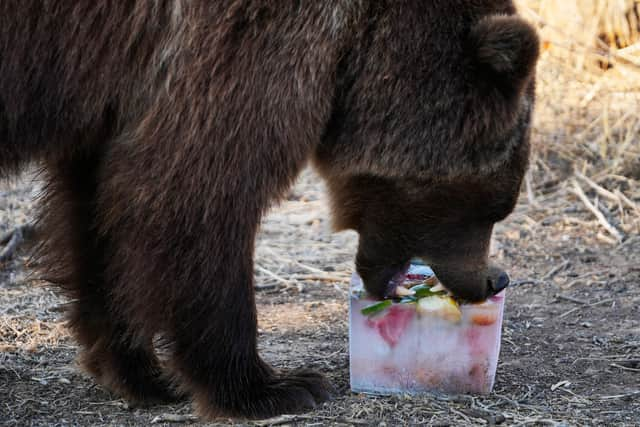
“The iced treats are a supplement to their meals … they lick the ice and breathe in the cool air. That’s in contrast to people who sweat as a way of controlling their body temperature.
Ten major wildfires struck Greece in July, and included major blazes outside Athens.
More than 450 pet dogs and cats were rescued from fires, many left in their homes as the owners fled, according to a charity that works with a state animal agency.
In the wake of the Greek fires, the international animal charity Peta urged animal owners not to abandon their pets.
Elisa Allen, the group’s vice president for programmes, said the fires also served as a reminder that the animal farming industry is a major global contributor to climate change.
Temperatures are expected to reach 42C in parts of central Greece on Saturday before easing early next week.