
Grey seal colony makes its home at former Cold War weapons testing site
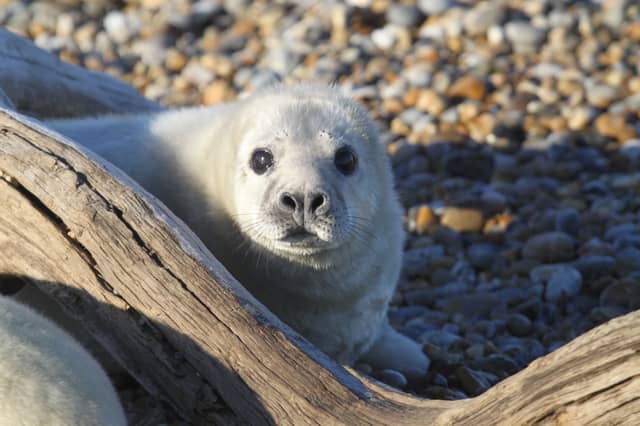

A grey seal colony has established itself at a former Cold War weapons testing site on the Suffolk coast.
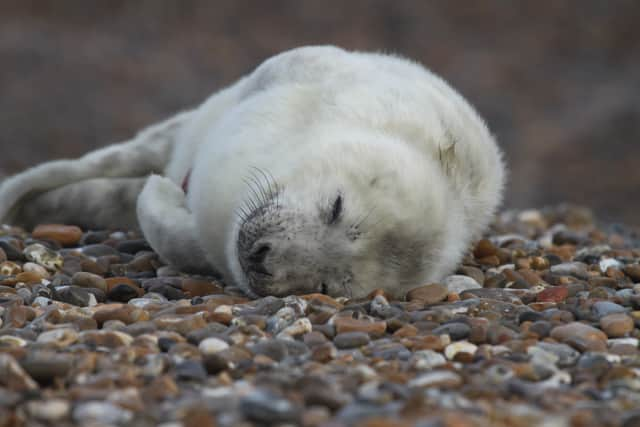
More than 130 grey seal pups have been born at Orford Ness, a remote shingle spit, this breeding season.
Rangers said the blubbery mammals have used the ex-military site as a breeding ground every year since 2021, following a reduction in visitor access because of the pandemic.
It is thought they spilled over from well-populated colonies in Norfolk, including at Blakeney and at Horsey, and are now Suffolk’s first breeding grey seal colony.
Orford Ness was used as a military test site during both world wars and into the nuclear age, before the Ministry of Defence sold it to the National Trust in 1993.
Matt Wilson, countryside manager for the National Trust’s Suffolk and Essex Coast portfolio, said: “The first 200 adult seals arrived at the site in 2021, after an extended period of closure due to the pandemic, when visitor access was significantly reduced.
“Since then, numbers have increased year-on-year as the colony has established.
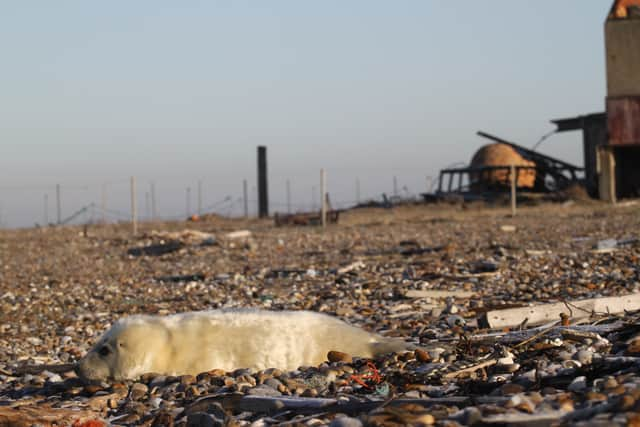
Female grey seals, known as cows, can live for 30 to 35 years and have their first pups between the ages of three and five.
They usually return to the same place each year to give birth.
Male grey seals live for about 20 to 25 years.
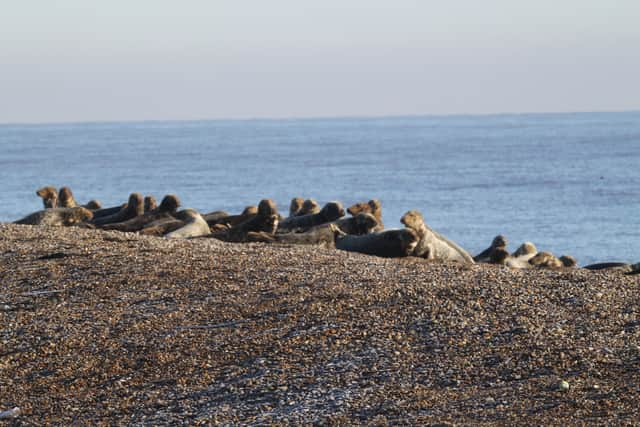
The first pups were counted in November, with 130 at the most recent count.
The breeding season for grey seals runs from October to March, which is when Orford Ness is closed to visitors, and as a result disturbance has been kept to a minimum.
“Part of the reason we think the colony has established itself here is the remote nature of the site and lack of disturbance, and of course we want that to continue,” said Mr Wilson.
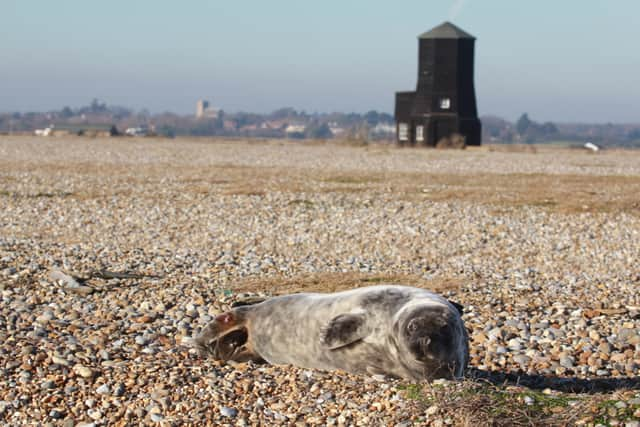
“We understand that people will want to see the colony now they know it’s here, but it’s important we continue to limit disturbance, to give the pups the best chance of survival.”
He said guided access may be offered next winter, but asked that people do not visit out of season and avoid using drones in the area.
Glen Pearce, Orford Ness’s property operations manager, said: “Since the seals’ arrival in 2021, our team of volunteers and staff have monitored the seals from a distance, keeping the growing seal colony a secret.
“However, the colony has now grown to a size where we want people to share this amazing wildlife success story with our supporters, but also to advise visitors how they can help us protect the colony.
“Unauthorised access, by foot, boat or drone, is illegal and also dangerous because of the unique and remote nature of the former military site.”