
Heat and drought of summer has left autumn drawn out and muted, say experts
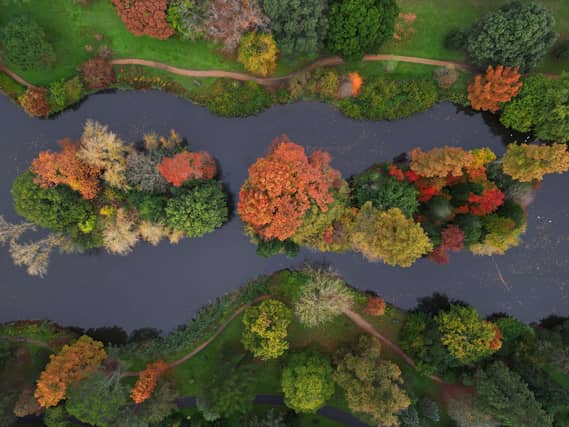

The hot dry summer and unusually warm October have affected this year’s show of autumn colour – and could be a sign of things to come, experts have said.
Kevin Martin, head of tree collections at the Royal Botanic Gardens, Kew, said the changing climate could mean a loss of the “wow factor” traditionally seen as leaves on all trees change together in the season.
This year’s autumn has been a long drawn out process, with some trees losing their leaves as early as August in a “false autumn” in response to the stress of the drought in the UK this summer, and the very hot conditions.
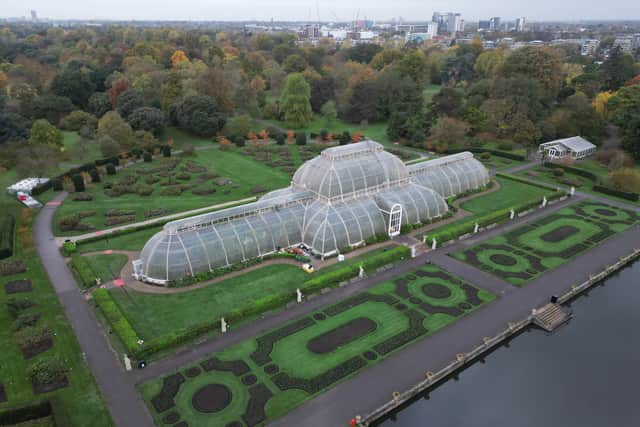
“We’ve lost a very large block of autumn colour because they’ve had theirs in August, they’ve already gone bare.”
At Kew Gardens, west London, they have seen the North American buckeye trees, birches, and trees in the walnut family, which are very sensitive to drought, drop their leaves early.
While day length controls the onset of autumn, it is now unusually warm for October, so those trees that held onto their leaves are making the most of the weather to restore the energy lost in the drought.
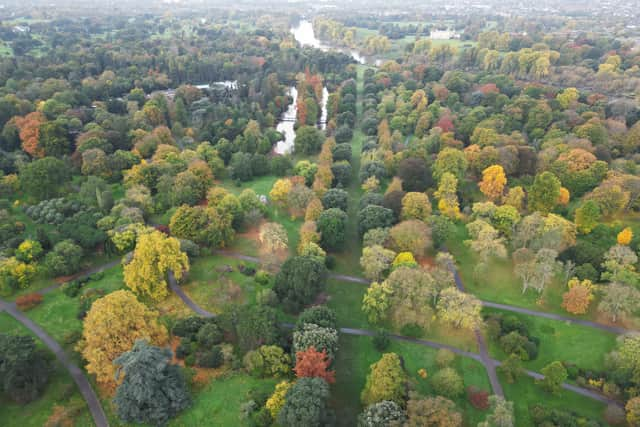
While the American ash trees at Kew are among those currently displaying a blaze of colour, “all the oaks aren’t dreaming of going into autumn colour – this is ideal tree growing weather, they are making the most of it,” Mr Martin said.
But that means if there is a really quick cold snap, they are more likely just to drop their leaves to limit damage, rather than change colour before they fall.
“It has been a really drawn out process of autumn colour. We won’t get the wow factor of all the colours turning at the same time,” he said.
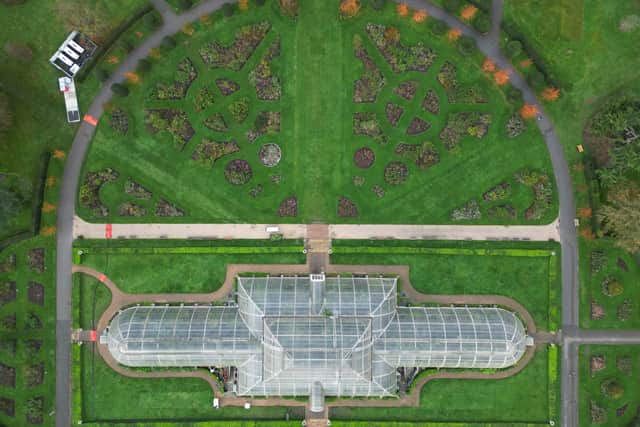
With more weather extremes such as heat and drought expected as the climate changes, this autumn could be a sign of things to come, with Mr Martin warning that people will see a change in the displays of autumn colour everyone enjoys.
“These seasonal things that we all take for granted are changing as the climatic conditions change,” he said.
Early observations by horticulturists and scientists at the Royal Botanic Gardens, Kew, indicate that some trees which currently provide bright autumn colour, such as sorbus species and beech – are increasingly unsuited to the changing British climate.
And Japanese maples, which are frequently planted in gardens, parks and botanic collections for their autumn colour, are very easily drought stressed, as they are adapted to much wetter conditions in their native Japan than the UK now sees.